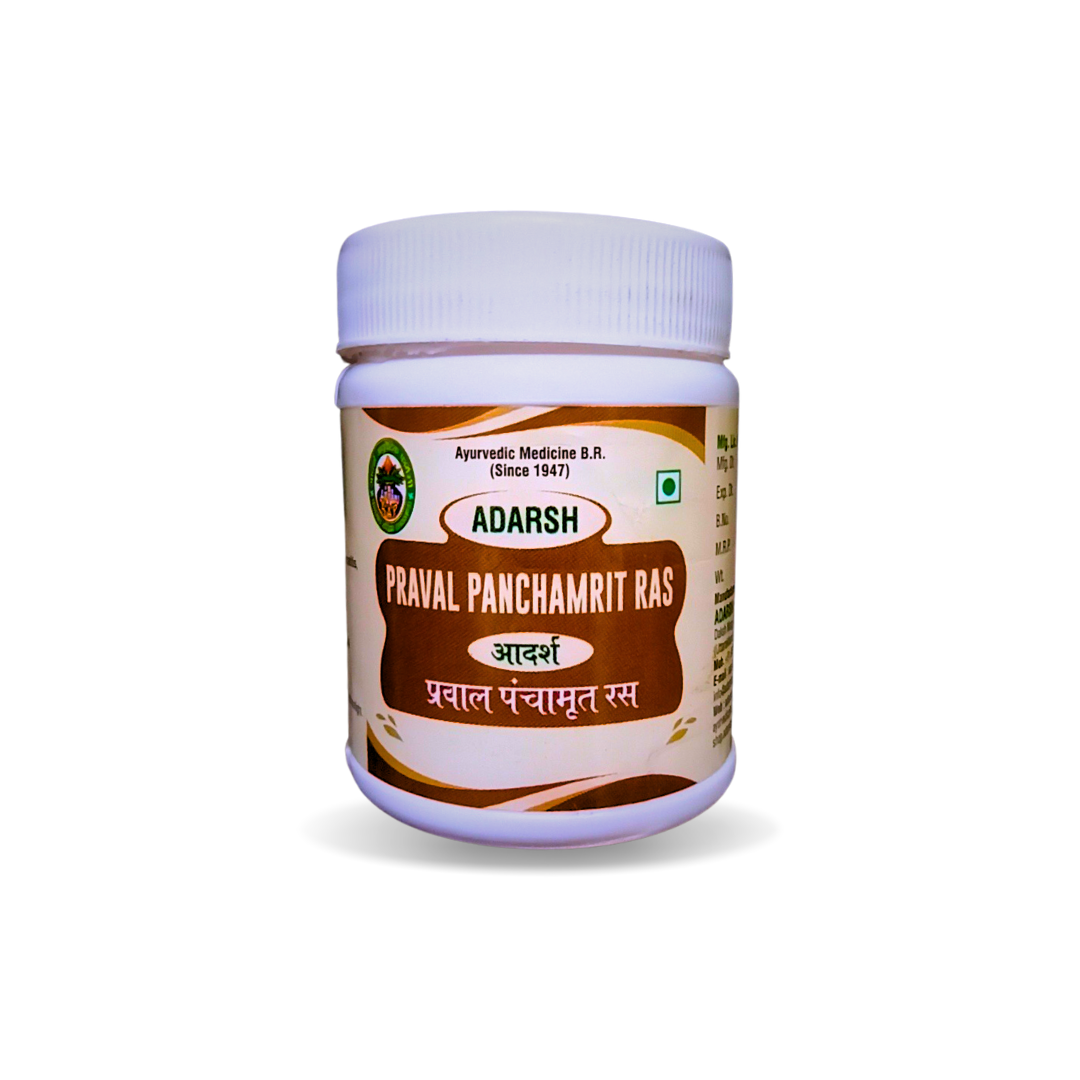
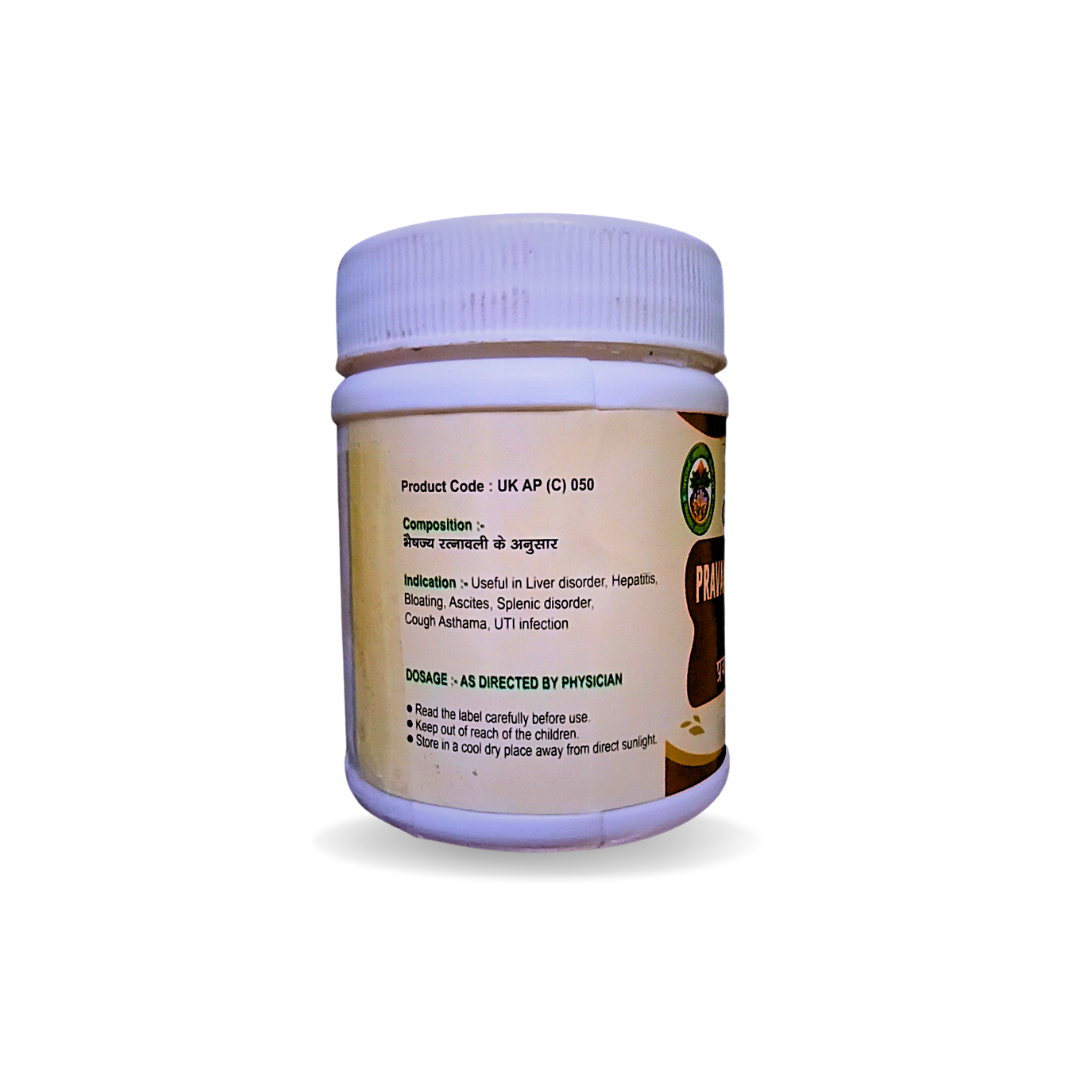
Adarsh Prawal Panchamrit Ras | Digestive Supplement | Improves Appetite and Digestion
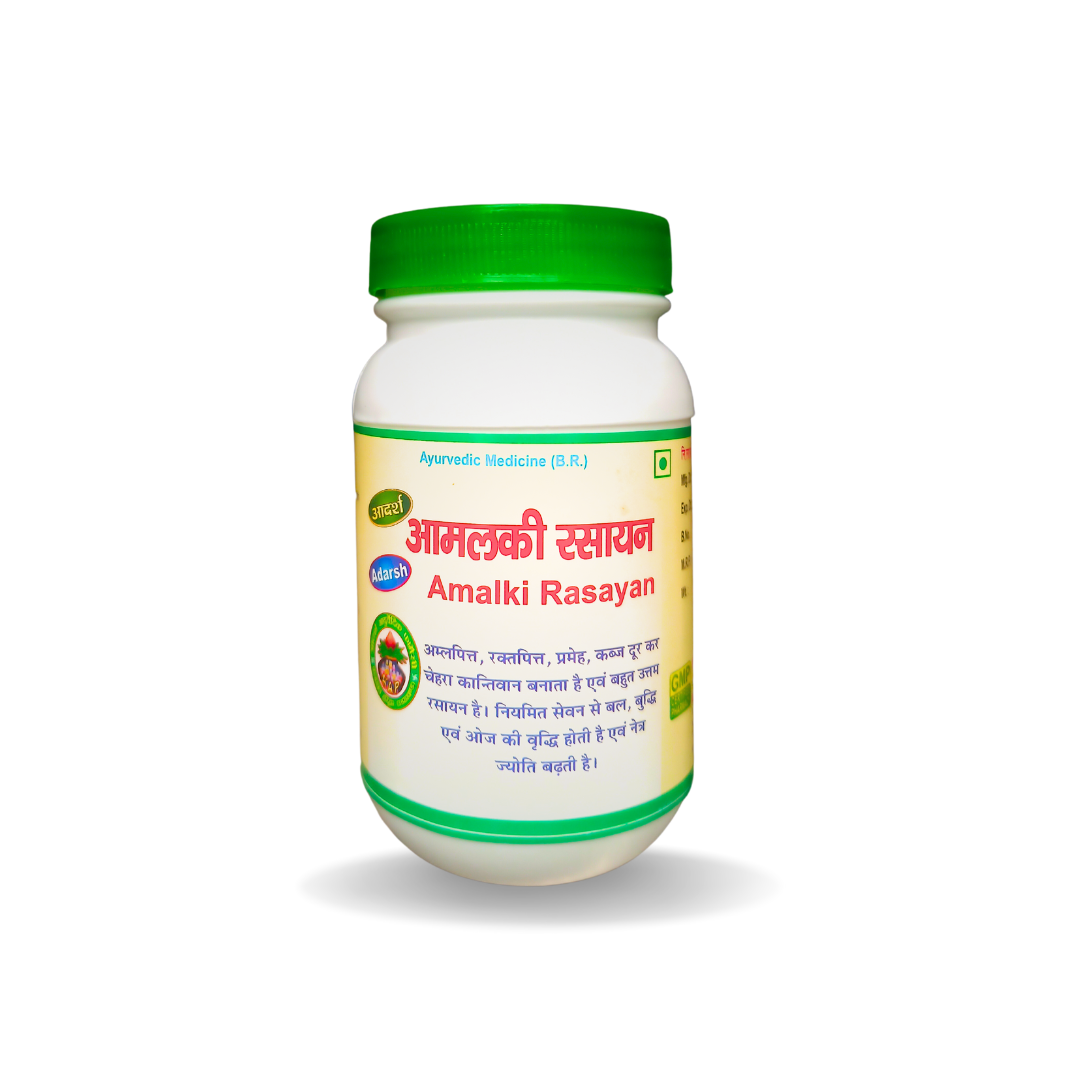
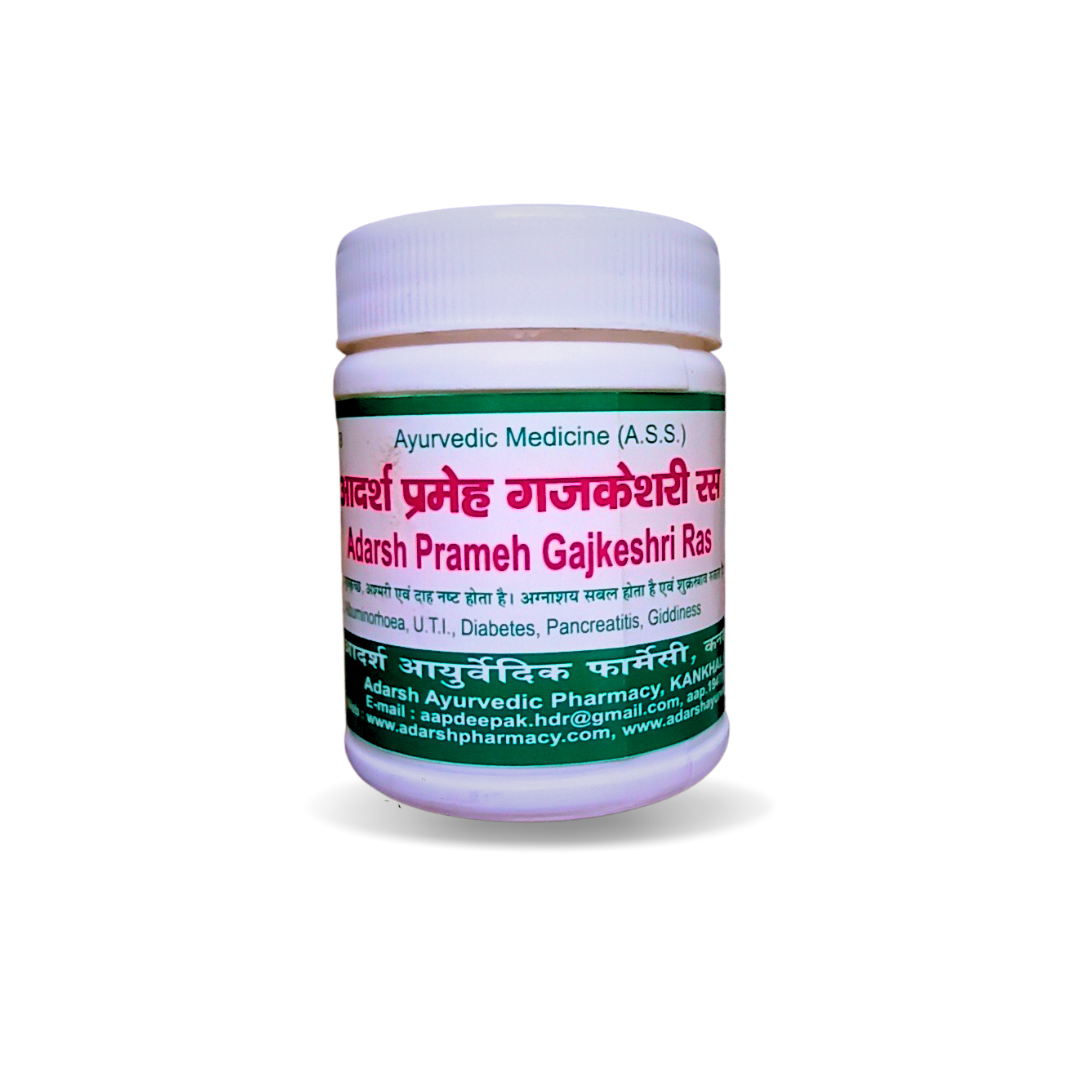
₹400
Prawal Panchamrit is believed to have antacid and digestive properties, which can help in the treatment of acidity, heartburn, indigestion, and gastritis. It is also believed to improve appetite, promote digestion, and reduce inflammation in the stomach lining.
However, it is essential to note that the use of Prawal Panchamrit should be done under the guidance of a qualified Ayurvedic practitioner. Overdose or incorrect usage can cause adverse effects like constipation, stomach upset, and nausea. It is also not recommended for pregnant and lactating women and people with liver or kidney problems.
Prawal Panchamrit is believed to have antacid and digestive properties, which can help in the treatment of acidity, heartburn, indigestion, and gastritis. It is also believed to improve appetite, promote digestion, and reduce inflammation in the stomach lining.
However, it is essential to note that the use of Prawal Panchamrit should be done under the guidance of a qualified Ayurvedic practitioner. Overdose or incorrect usage can cause adverse effects like constipation, stomach upset, and nausea. It is also not recommended for pregnant and lactating women and people with liver or kidney problems.
Prawal Panchamrit is an Ayurvedic medicine used for the treatment of various gastric and digestive problems. It is made from a combination of five natural ingredients, including Prawal Bhasma (Coral Calcium), Moti Bhasma (Pearl Ash), Shanka Bhasma (Conch Shell Ash), Shukti Bhasma (Oyster Shell Ash), and Kapardika Bhasma (Cowrie Shell Ash).
buy 10 get one free.
Selflife: 3 years
| Weight | 250 g |
|---|---|
| Dimensions | 14 × 12.5 × 8.5 cm |
| Weight | 10gm |
Related Products
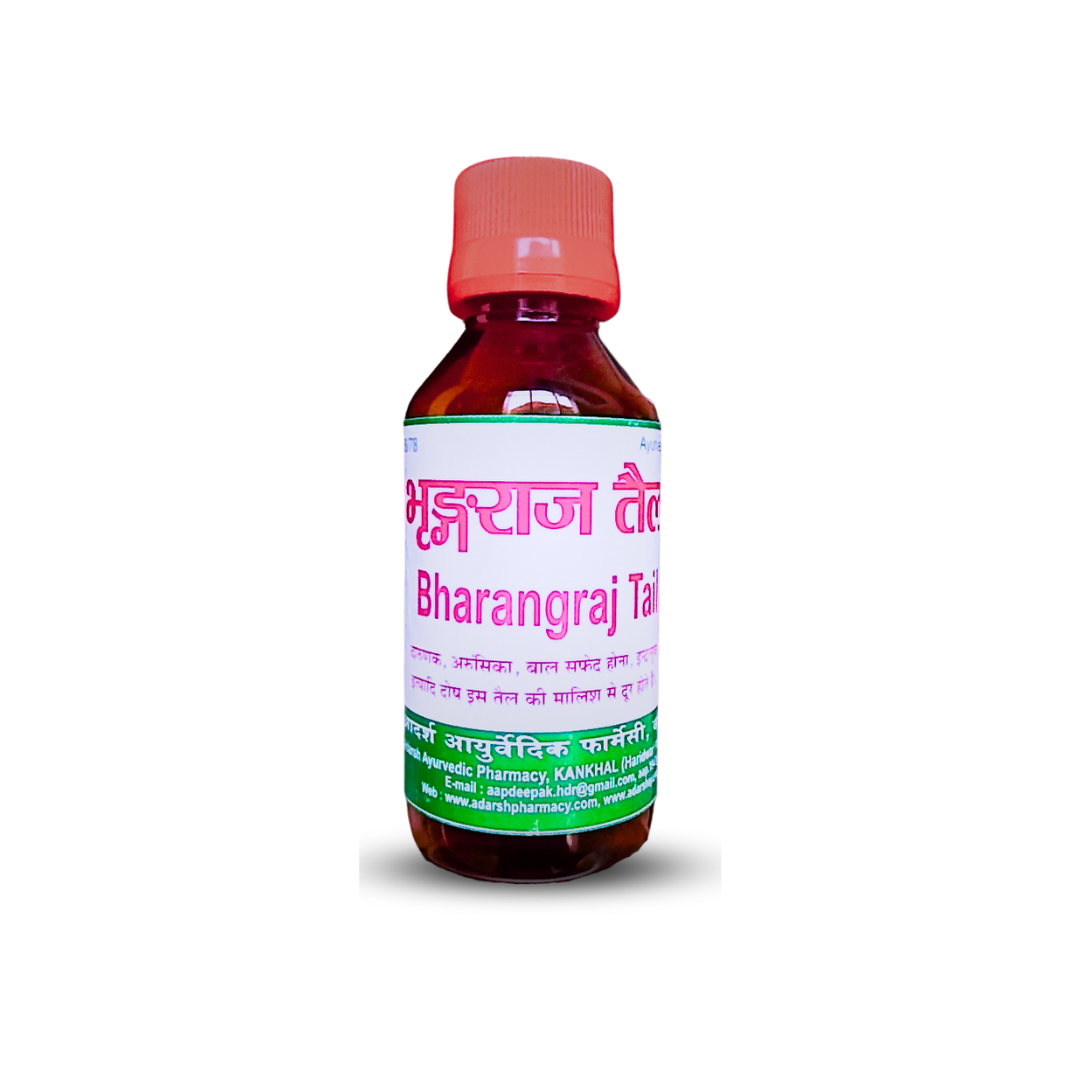
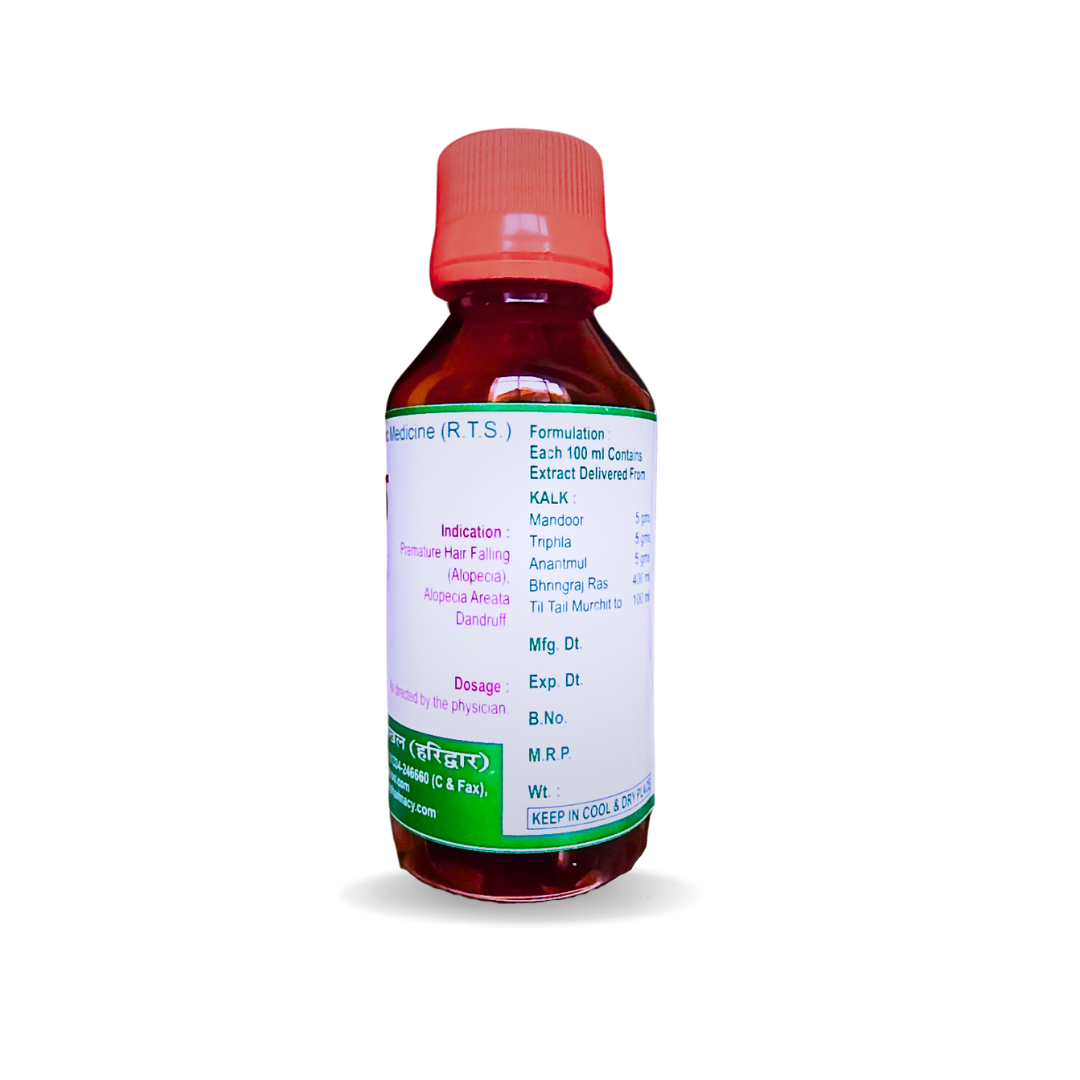
Bhringraj tail is typically applied to the scalp and hair, left for a period of time (usually 30 minutes to several hours), and then washed out with shampoo. The frequency and duration of use can vary based on individual needs and the guidance of a qualified healthcare professional. It is important to note that like all herbal remedies, Bhringraj tail may cause allergic reactions or other side effects in some individuals, and should be used with caution.
Bhringraj tail is an Ayurvedic herbal oil made from Bhringraj (Eclipta alba), a plant known for its hair growth promoting properties. The oil is believed to help nourish and strengthen the hair, prevent hair loss, and promote the growth of healthy hair.
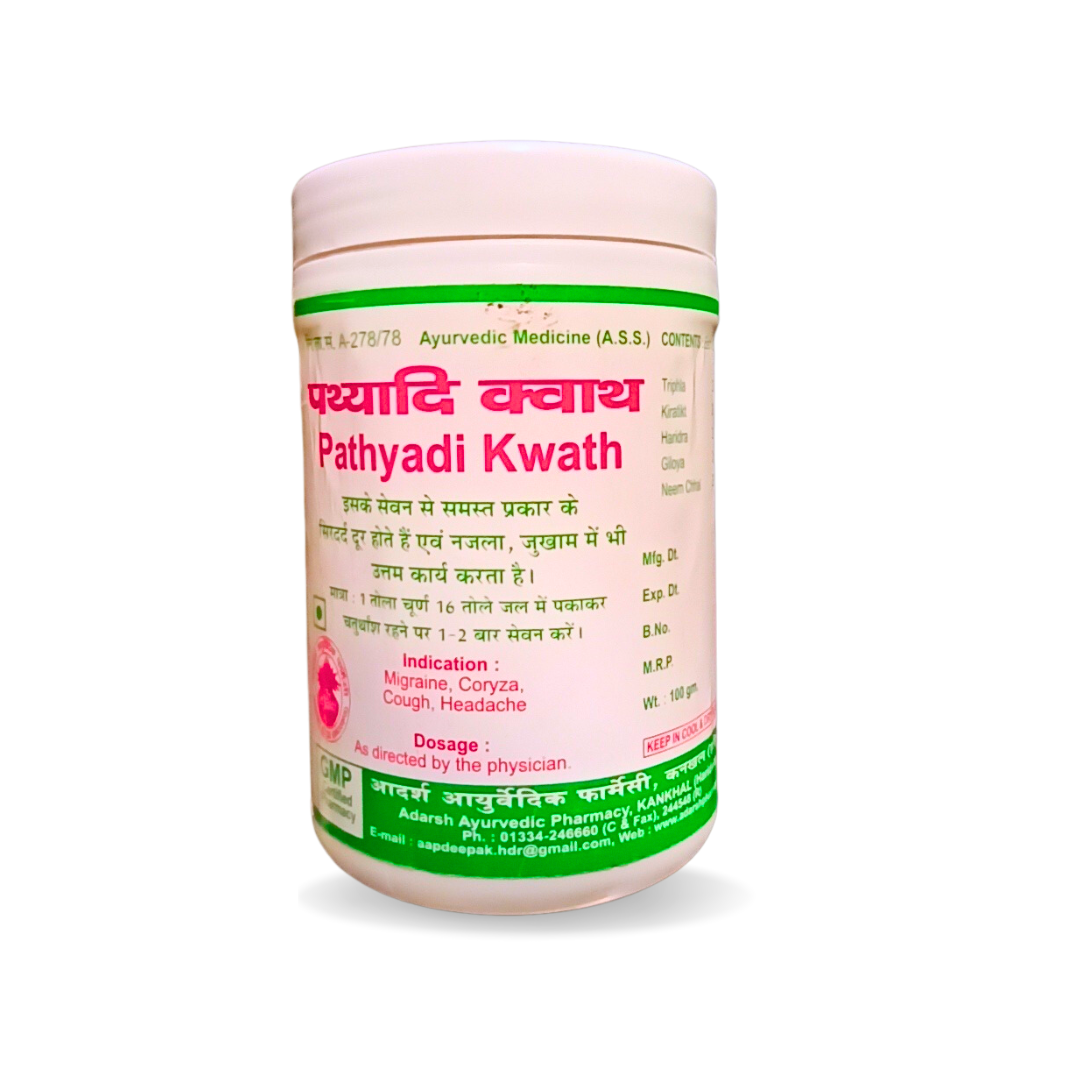
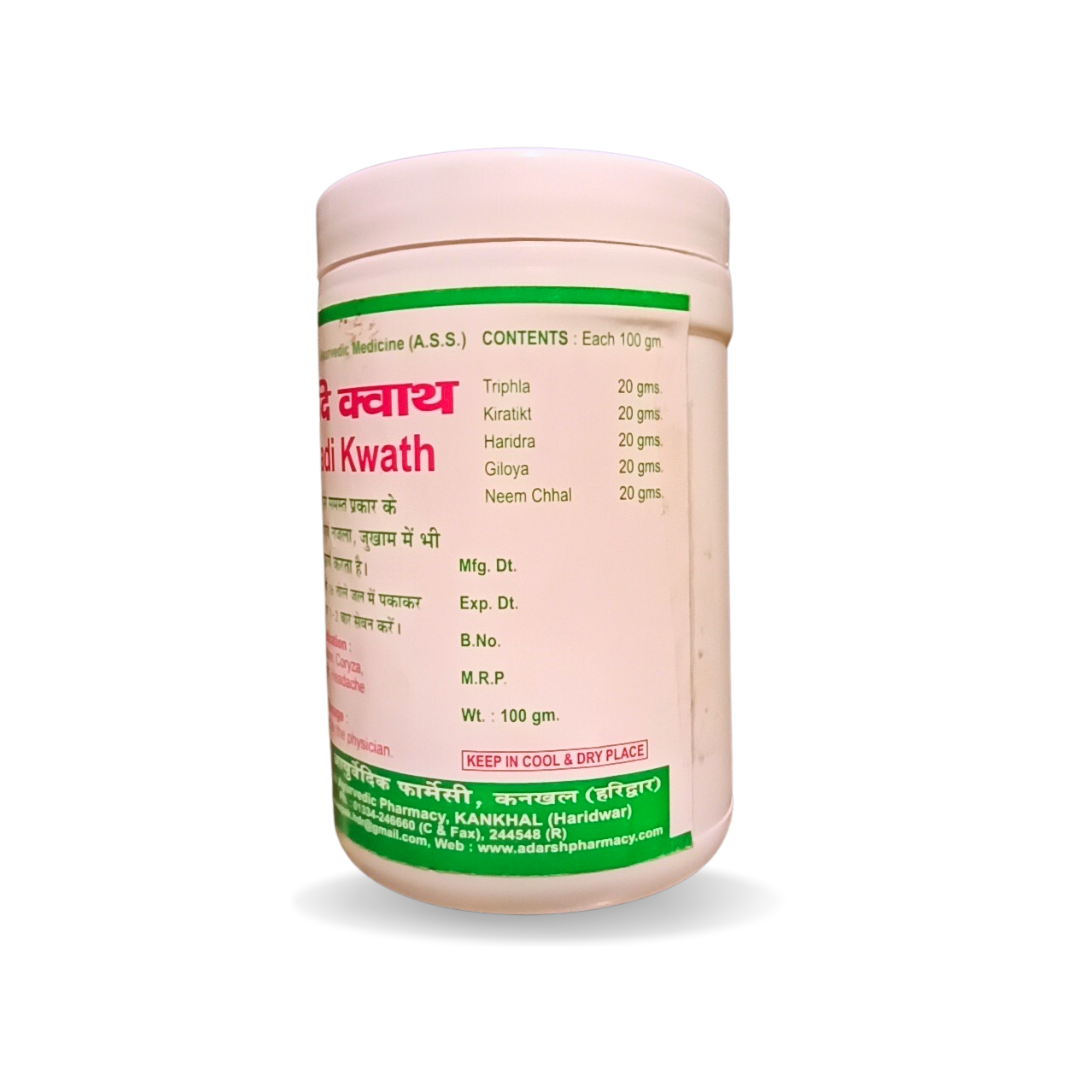
Pathyadi Kwath is an Ayurvedic herbal decoction made from a blend of several herbs, including Haritaki (Terminalia chebula), Bibhitaki (Terminalia bellirica), and Shunti (Zingiber officinale).
According to Ayurvedic principles, Pathyadi Kwath is believed to help support respiratory health, particularly in cases of cough and cold. It is also commonly used to support digestive health, promote healthy metabolism, and alleviate symptoms associated with inflammation.
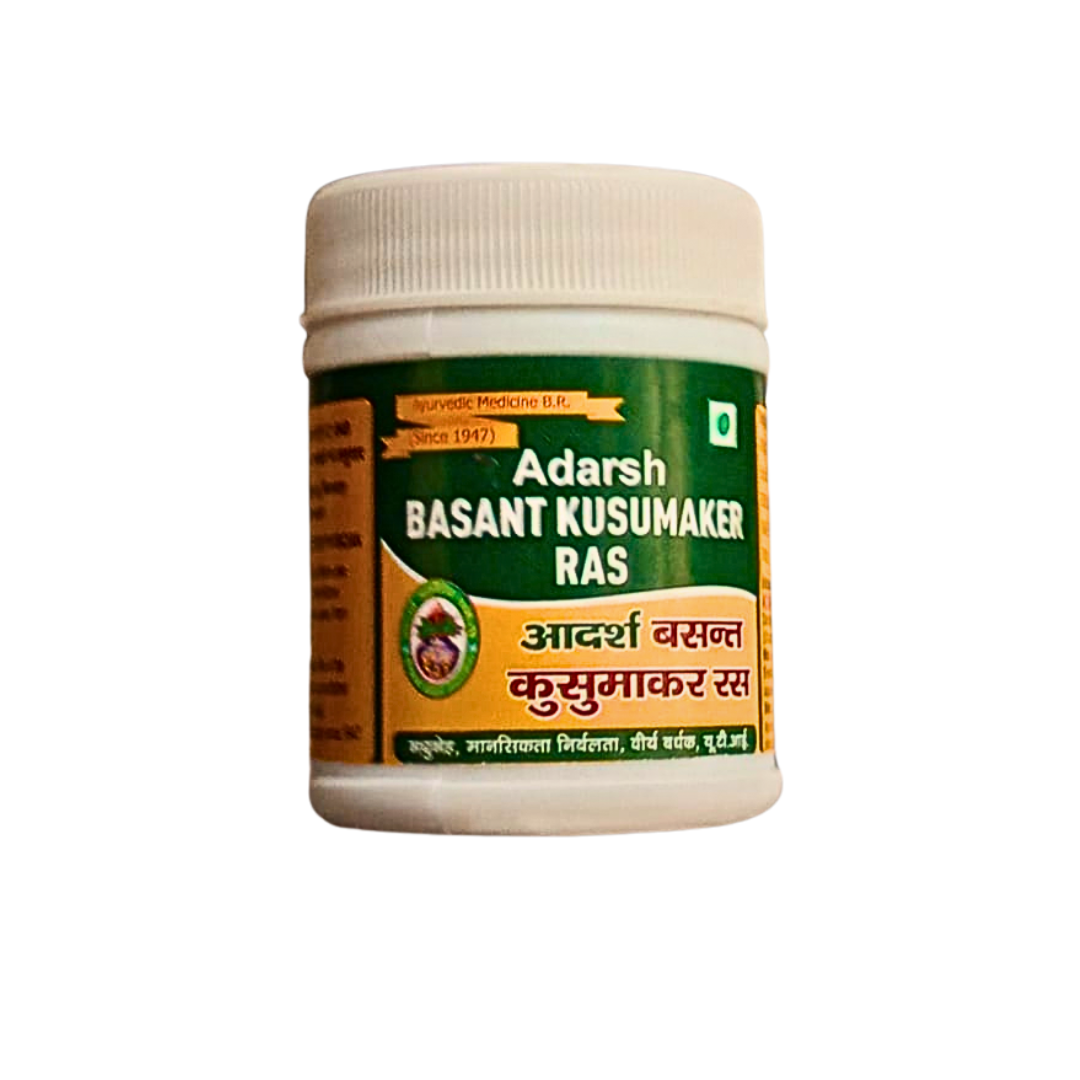
Basant Kusumakar Ras is believed to work by regulating blood sugar levels, improving digestion, and strengthening the immune system. It is also used to treat urinary tract infections, liver disorders, and pancreatitis. However, it is important to note that Basant Kusumakar Ras should only be taken under the guidance of a qualified Ayurvedic practitioner, as it may have some side effects and interactions with other medications.
It is a herbo-mineral formulation that contains various natural ingredients, including Swarna Bhasma (gold ash), Rajat Bhasma (silver ash), Vanga Bhasma (tin ash), and other herbs such as Haritaki (Terminalia chebula), Bibhitaki (Terminalia bellirica), Amalaki (Emblica officinalis), Shuddha Shilajit (purified asphaltum), and Guggulu (Commiphora mukul).
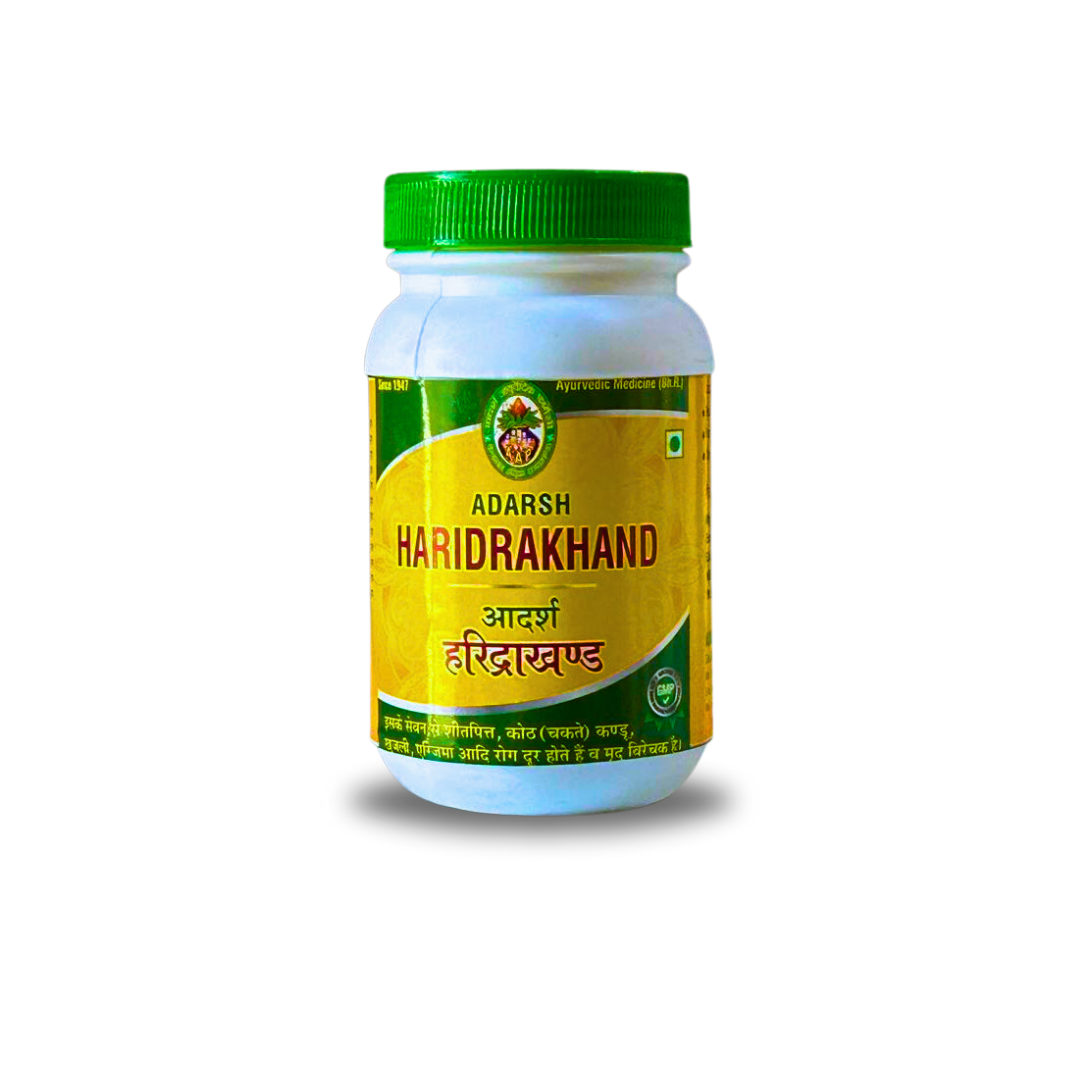
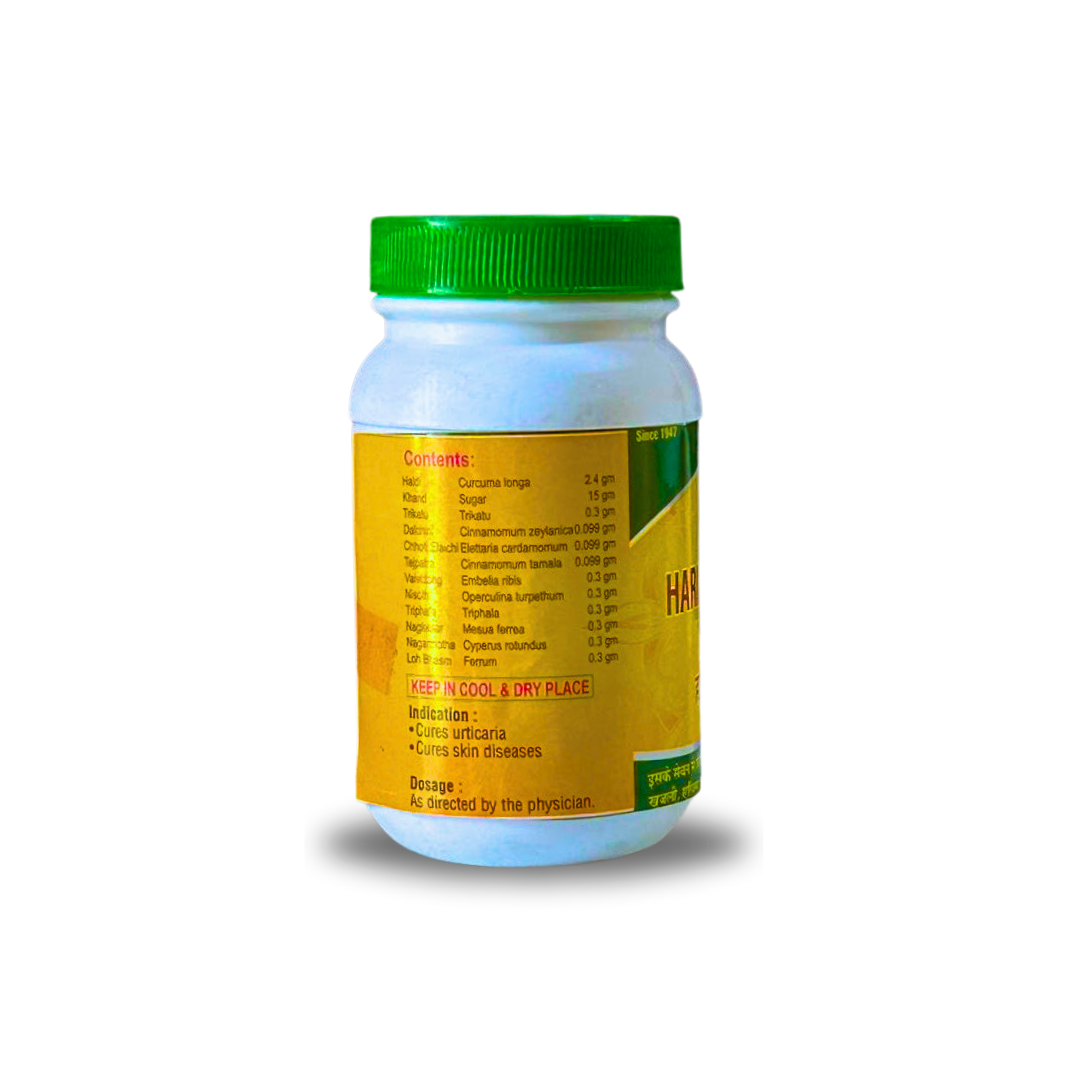
Haridrakhand (also spelled as Haridra Khanda) is an Ayurvedic herbal formulation that is commonly used in traditional Indian medicine. It is a powdered mixture of various herbs and spices, with turmeric (haridra in Sanskrit) being the primary ingredient.
Some of the key ingredients in Haridrakhand include turmeric, ginger, black pepper, cardamom, cinnamon, and honey. These ingredients are believed to have a range of health benefits, such as reducing inflammation, improving digestion, boosting the immune system, and promoting healthy skin.
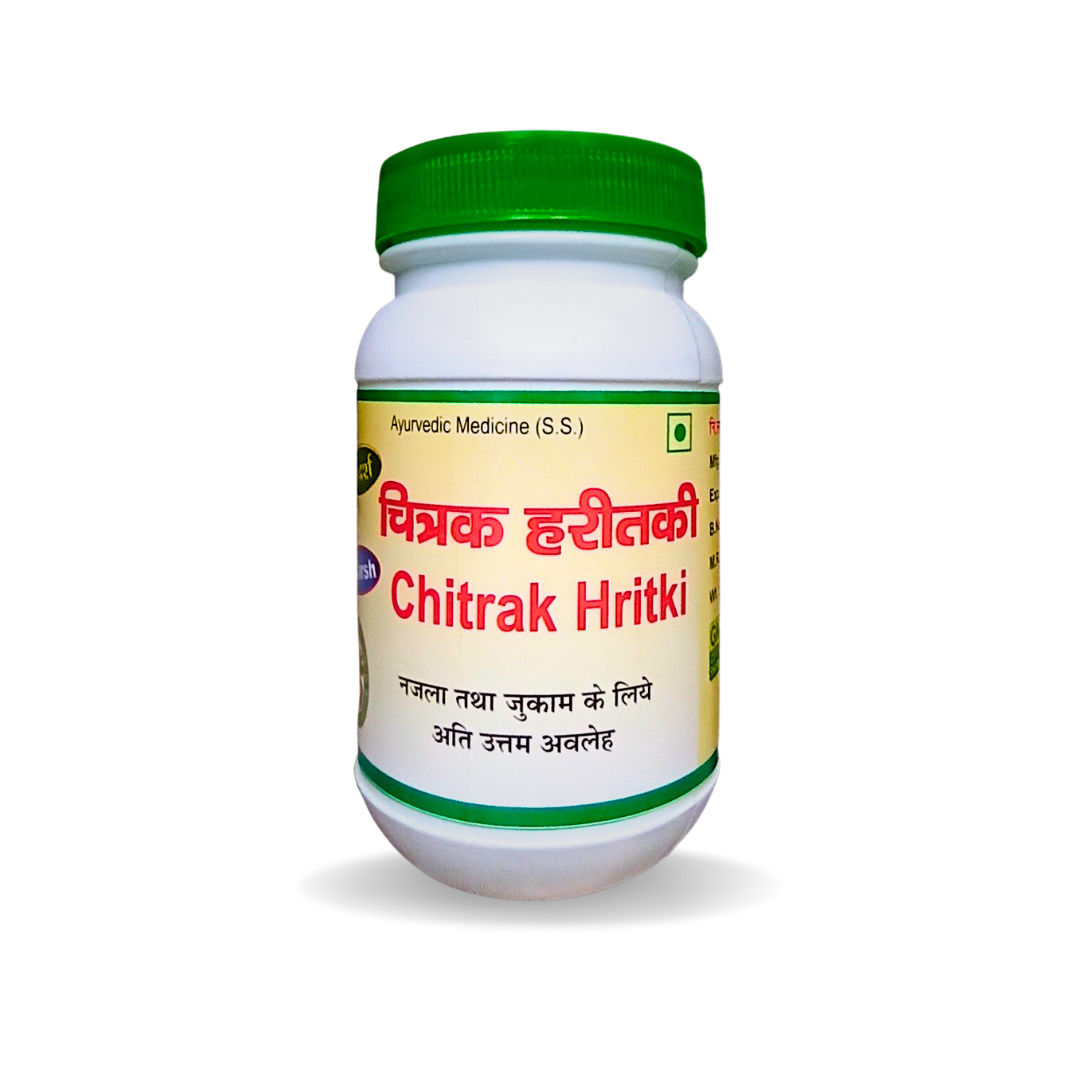
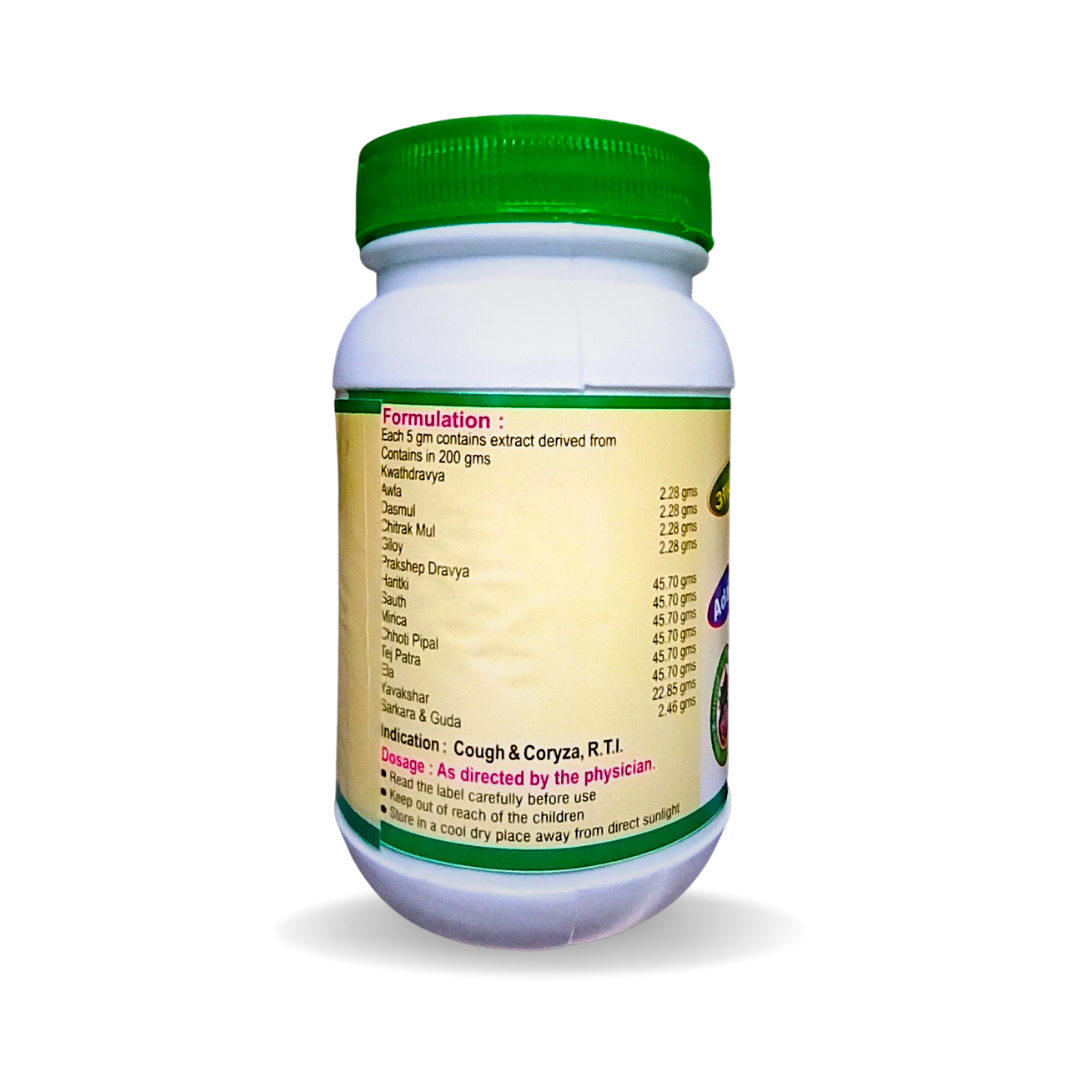
Haritaki is another important herb in Ayurveda and is considered to be one of the most versatile herbs in the Ayurvedic pharmacopoeia. It is believed to have a wide range of health benefits, including promoting digestion, supporting healthy liver function, and improving cognitive function.
Together, Chitrak and Haritaki are believed to enhance each other’s effects, making Chitrak Haritaki a powerful herbal remedy for digestive disorders and other health conditions.
Chitrak Haritaki is commonly used in Ayurvedic medicine to treat a variety of health conditions, including poor digestion, constipation, abdominal pain, flatulence, anemia, and respiratory disorders. It is typically taken in powdered form, mixed with warm water or milk, or Chitrak Haritaki is an Ayurvedic herbal formulation made from two main ingredients: Chitrak (Plumbago zeylanica) and Haritaki (Terminalia chebula).
Pramehgaj Kesari is believed to have anti-diabetic properties, which can help in regulating blood sugar levels and preventing complications associated with diabetes. It is also believed to have a rejuvenating effect on the body, promoting overall health and well-being.
However, it is essential to note that the use of Pramehgaj Kesari should be done under the guidance of a qualified Ayurvedic practitioner. Overdose or incorrect usage can cause adverse effects like low blood sugar levels, stomach upset, and nausea. It is also not recommended for pregnant and lactating women and people with liver or kidney problems.
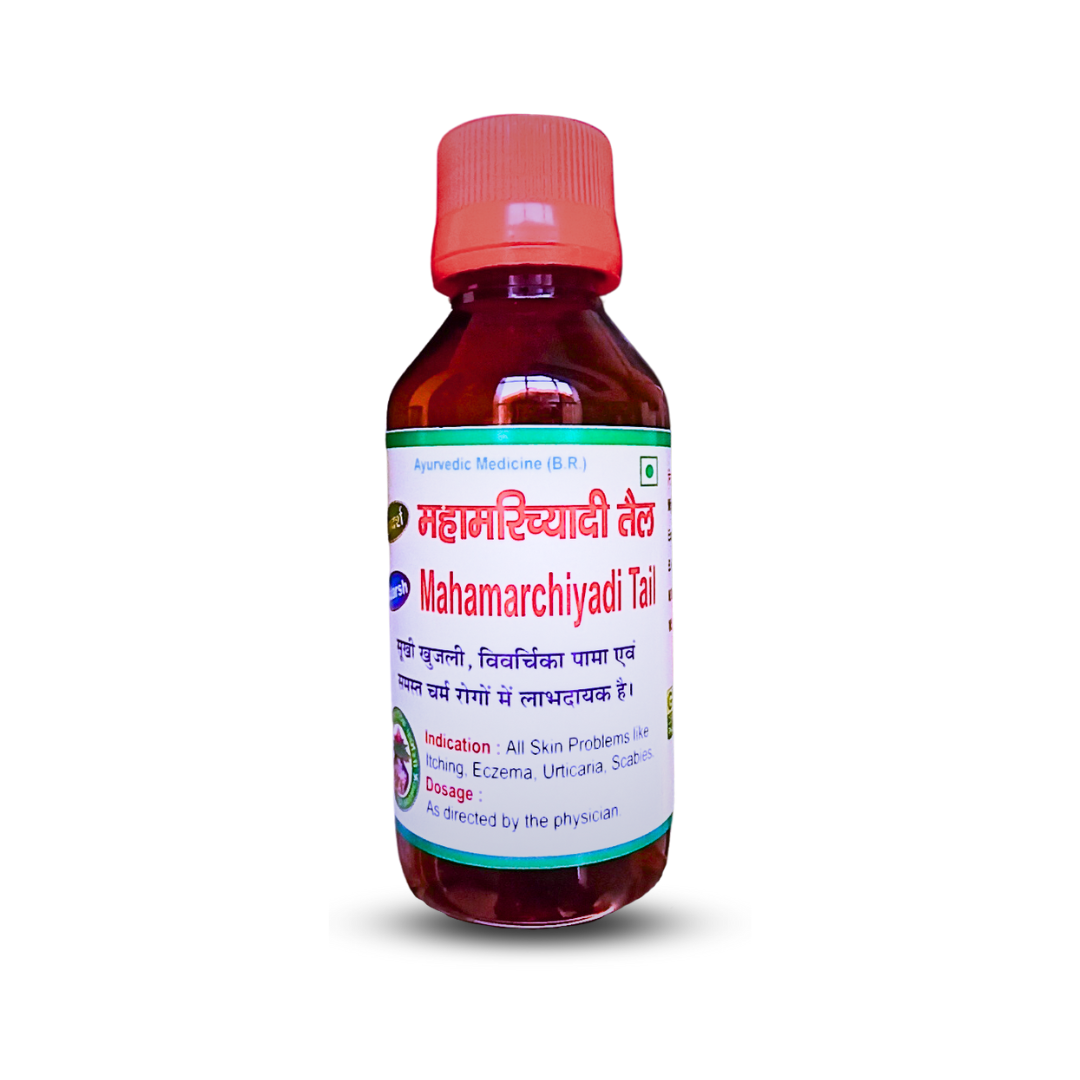
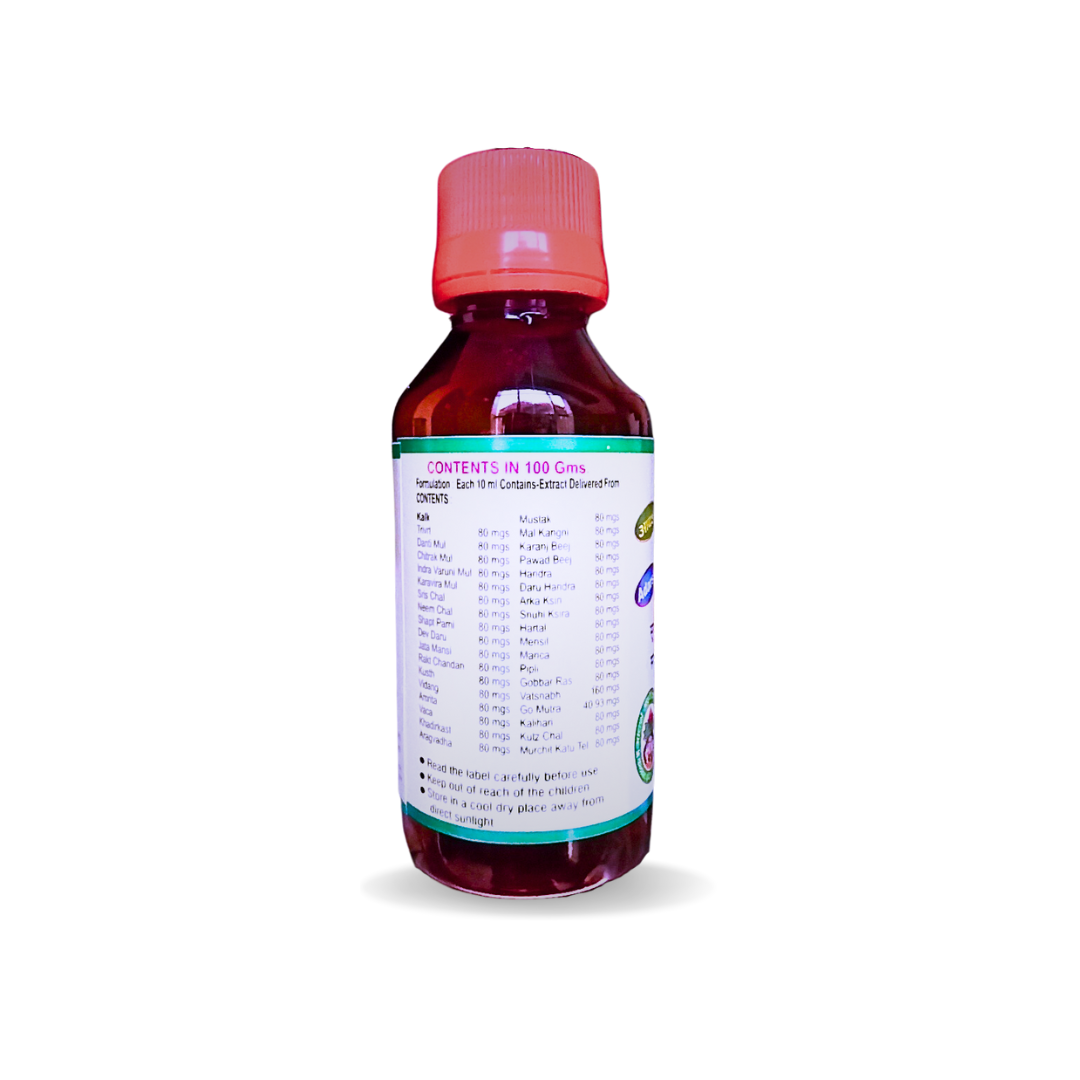
Marichiyadi Tail is typically applied topically to the affected area and gently massaged into the skin. The frequency and duration of use can vary based on individual needs and the guidance of a qualified healthcare professional. It is important to note that like all herbal remedies, Marichiyadi Tail may cause allergic reactions or other side effects in some individuals, and should be used with caution.
Marichiyadi Tail is an Ayurvedic herbal oil that is made from a blend of several herbs, including Marich (Black pepper), Ajwain (Trachyspermum ammi), and Karpura (Camphor). This oil is commonly used in Ayurvedic medicine for the treatment of joint pain, muscle pain, and stiffness.
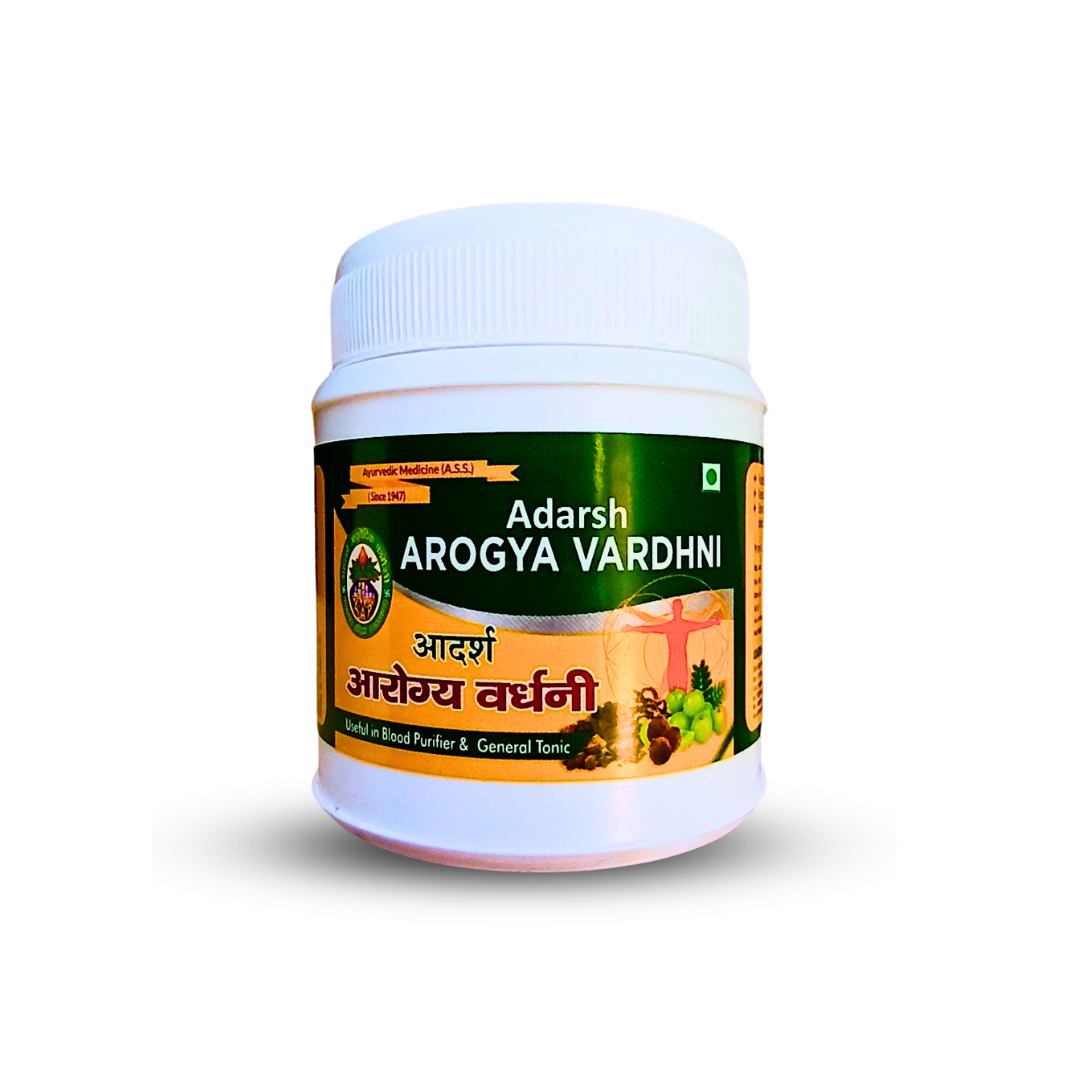
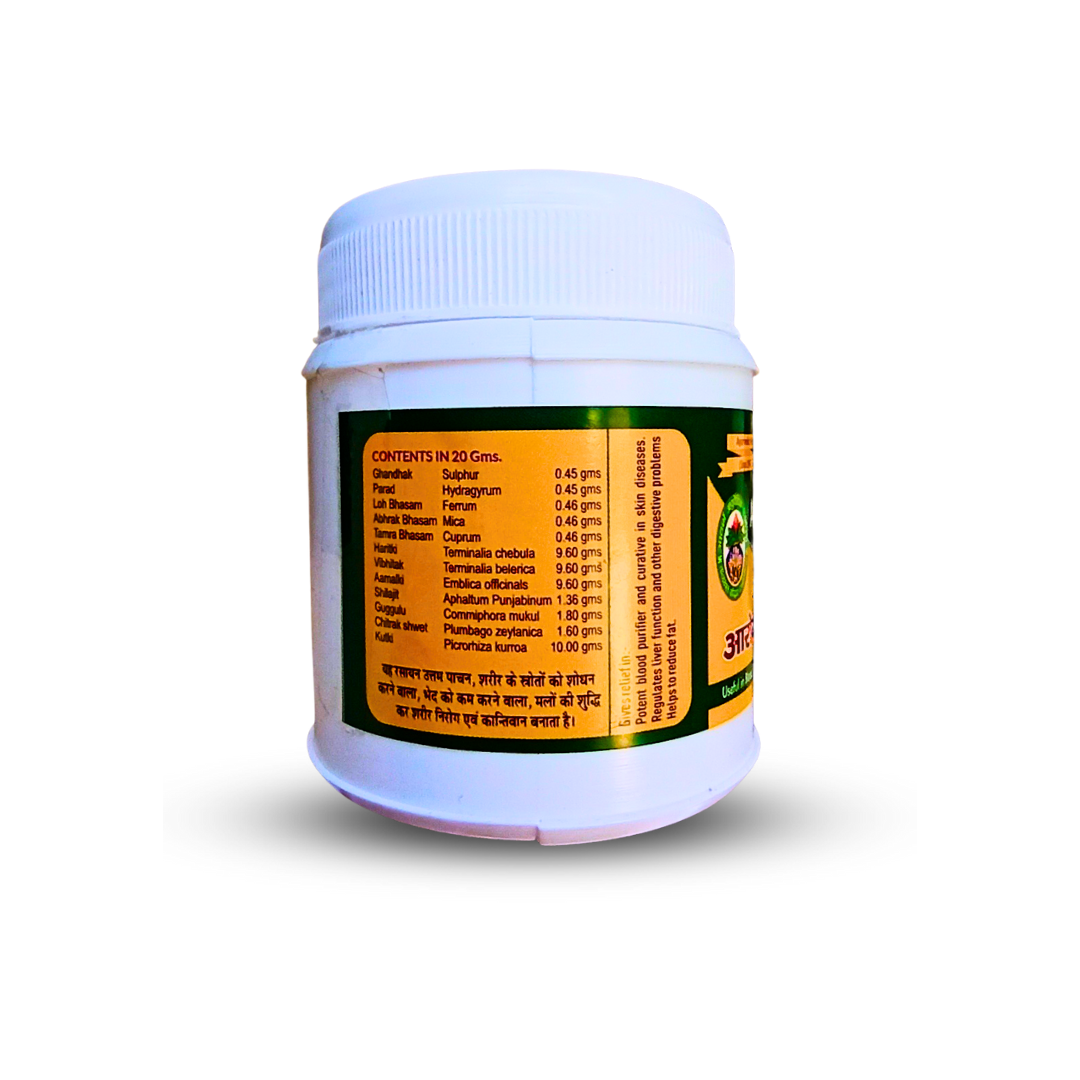
“Arogyavardhini” is an Ayurvedic herbal formulation that is traditionally used to promote overall health and well-being. It is believed to help support liver function, improve digestion, and boost the immune system.
The ingredients of Arogyavardhini of this specific formulation typically includes a combination of herbs and minerals such as triphala (a blend of three fruits), kutki (a bitter herb), guggulu (a resin), shilajit (a mineral pitch), Abarak bhasam , Loh Bhasam and others.
The unique formulation of Adarsh Aroghyavardhni has potency to burn fat and purify blood .
As with any herbal supplement, it is important to consult with a healthcare professional before taking Arogyavardhini, especially if you have any pre-existing medical conditions or are taking any medications.
Key Component:
1. Triphala: A blend of three fruits – amla, haritaki, and bibhitaki – that are known for their antioxidant and anti-inflammatory properties. Triphala is commonly used in Ayurveda to support digestion and overall health.
2. Kutki: A bitter herb that is commonly used in Ayurveda to support liver health and improve digestion. Kutki is believed to have anti-inflammatory, antiviral, and antioxidant properties.
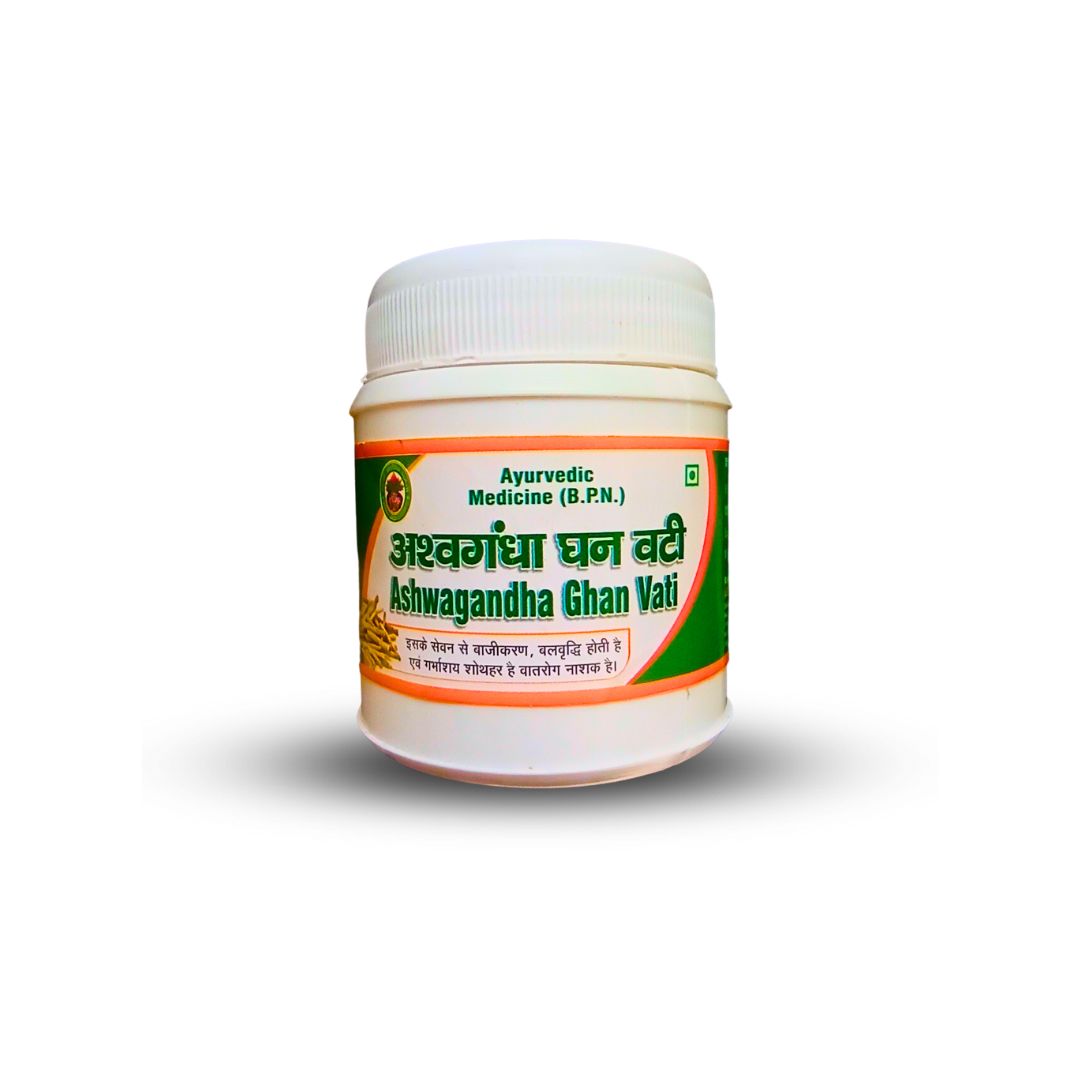
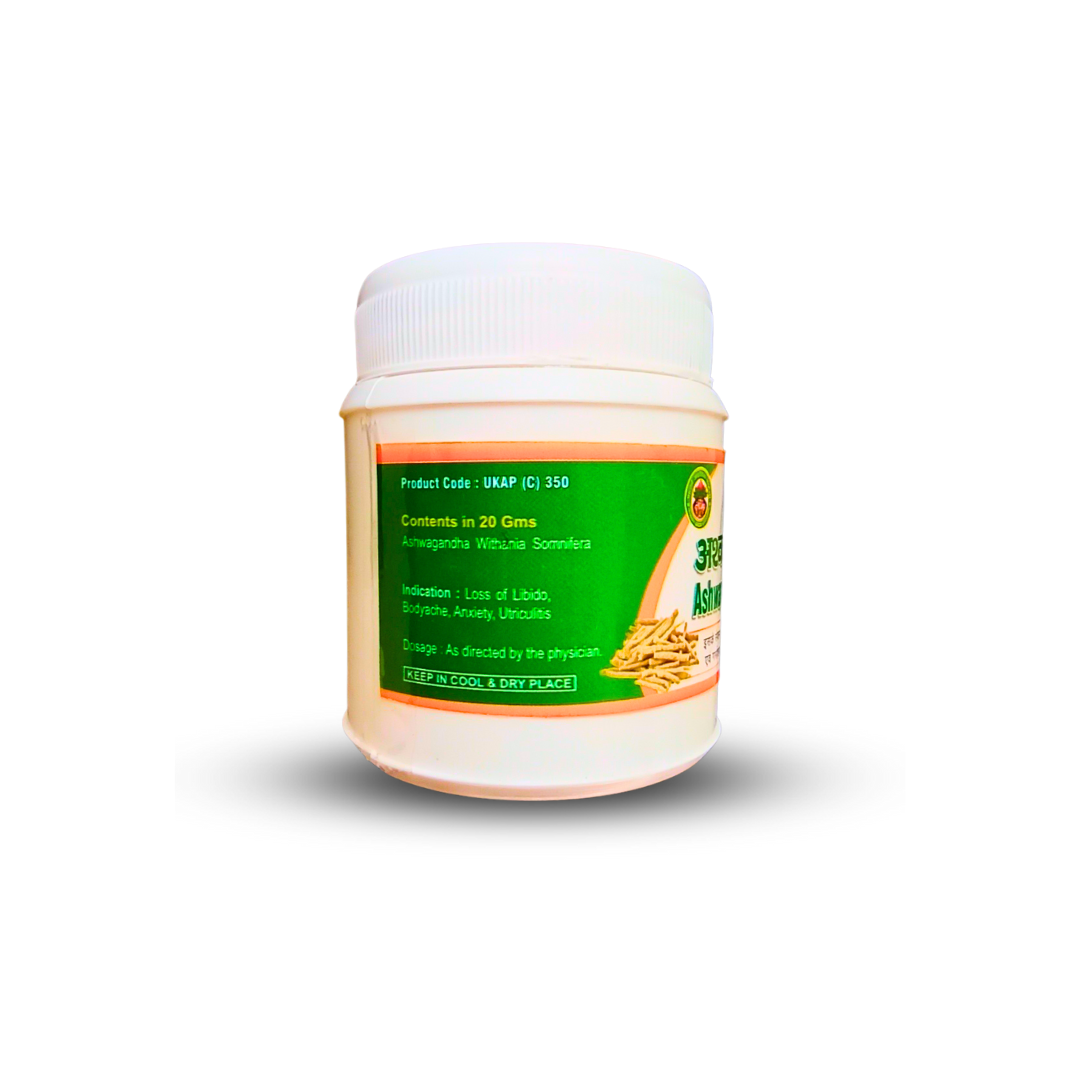
Ashwagandha Ghan is typically taken orally in liquid form, and the dosage and duration of treatment may vary depending on the individual’s needs and the practitioner’s recommendations. It is important to consult with a qualified Ayurvedic practitioner before using Ashwagandha Ghan, especially if you have a history of medical conditions or are currently taking any medications. Additionally, it is important to be aware of potential side effects and contraindications before using any herbal supplement.
The primary active compounds in Ashwagandha Ghan include withanolides, alkaloids, and flavonoids, which are believed to have adaptogenic, anti-inflammatory, and antioxidant properties. Ashwagandha Ghan is commonly used in Ayurvedic medicine for reducing stress and anxiety, supporting healthy immune function, and promoting overall vitality and wellness.
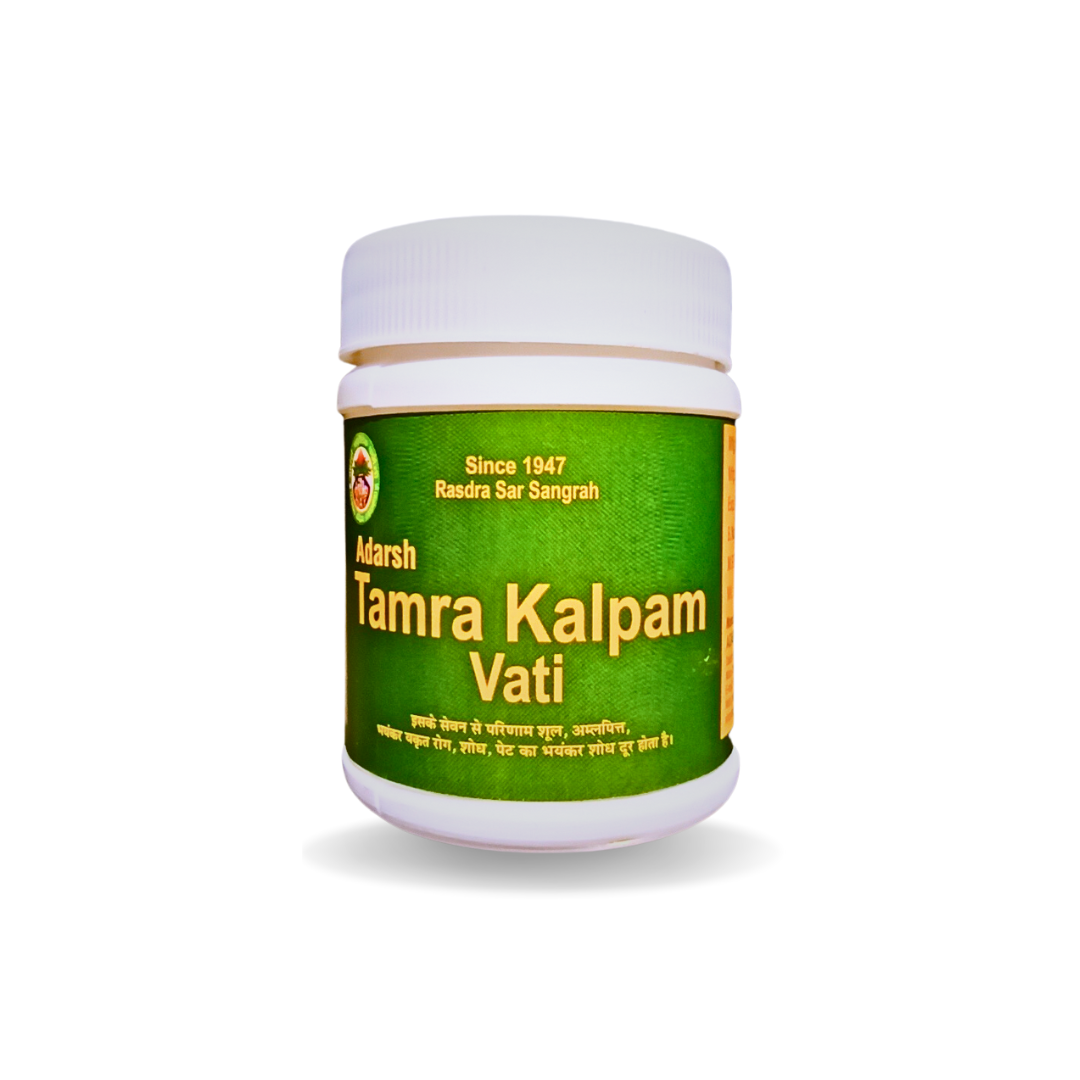
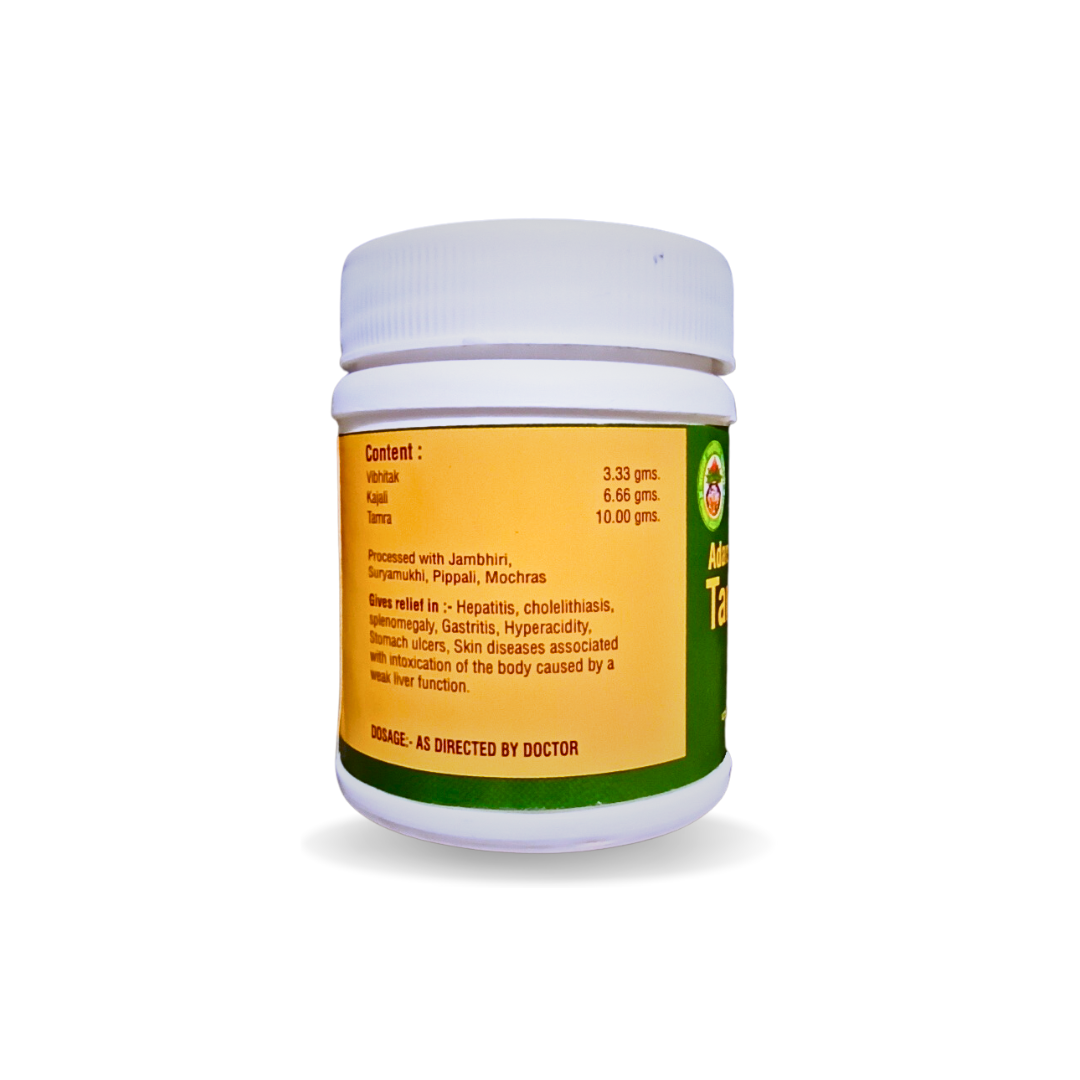
The components of Adarsh Tamrakalpam is enriched to cure all types of hepatitis.
Adarsh Tamrakalpam has curative results in liver diseases.
Adarsh Tamrakalpam cures pitta dosha stomach aches and ulcer
Dr. Deepak suggests Adarsh Tamrakalpam is many folds effective if consumed with Adarsh Mednasak Godan vati. The combination also detoxifies the liver and cures Splenomegaly and hepatitis.
Buy 10 get one free.
Selflife: three years.
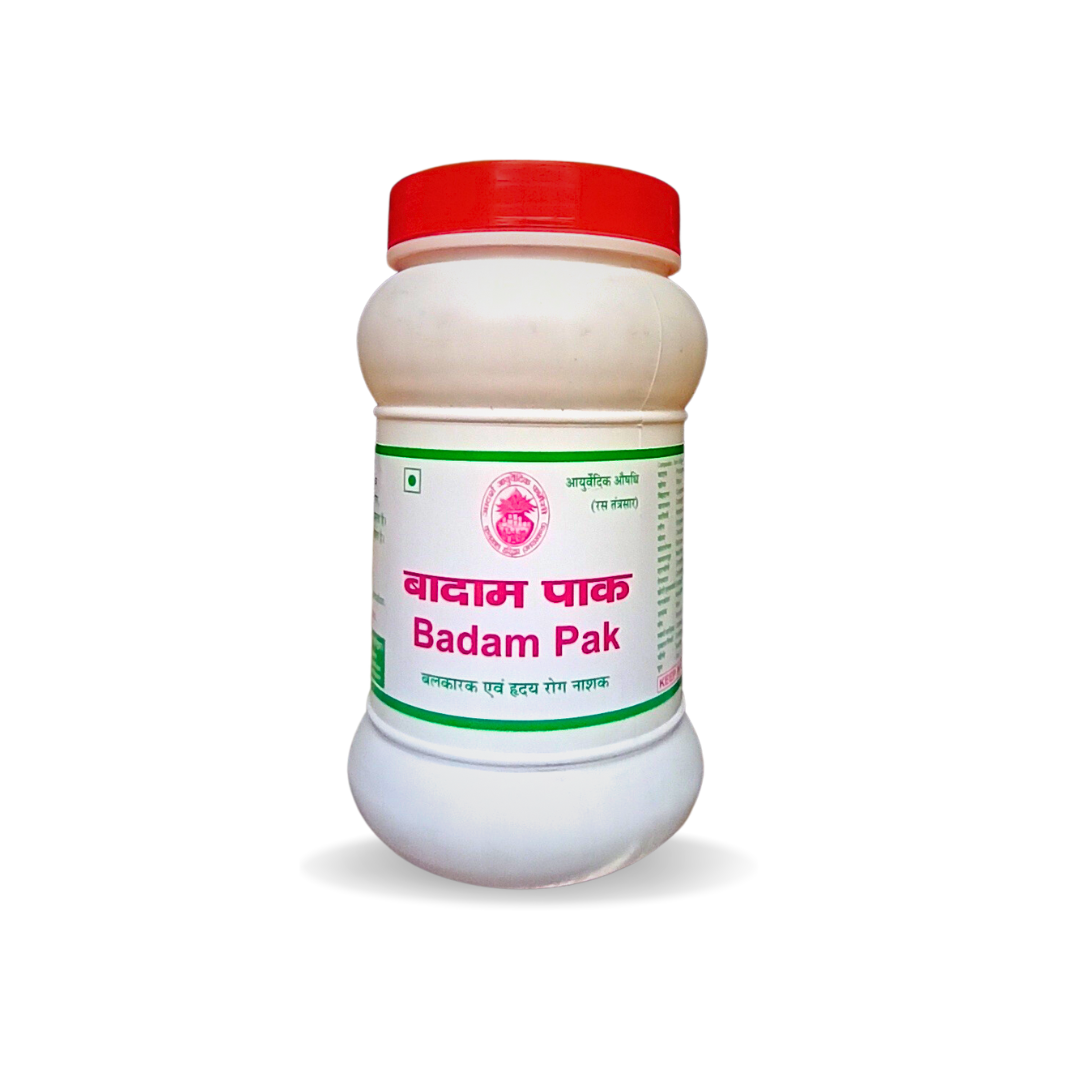
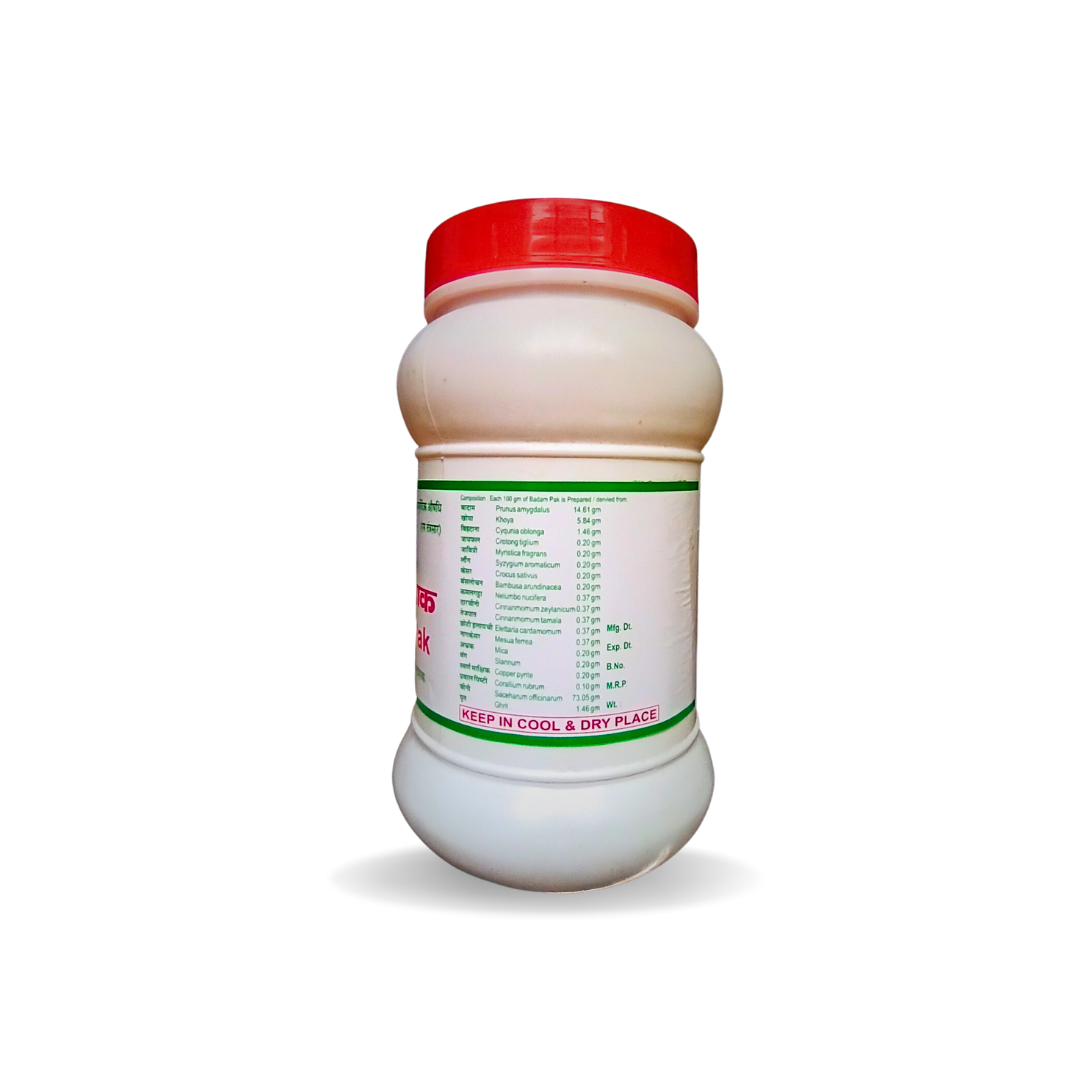
Badam Pak is made by grinding almonds into a fine powder and mixing it with sugar, ghee (clarified butter), and a variety of other herbs and spices, such as saffron, cardamom, and cinnamon. The ingredients are then cooked together over low heat until they form a thick paste.
According to Ayurvedic tradition, Badam Pak is believed to have a nourishing effect on the brain and nervous system, as well as to improve digestion and support overall vitality. It is also believed to have a calming effect on the mind, making it a popular remedy for stress and anxiety.
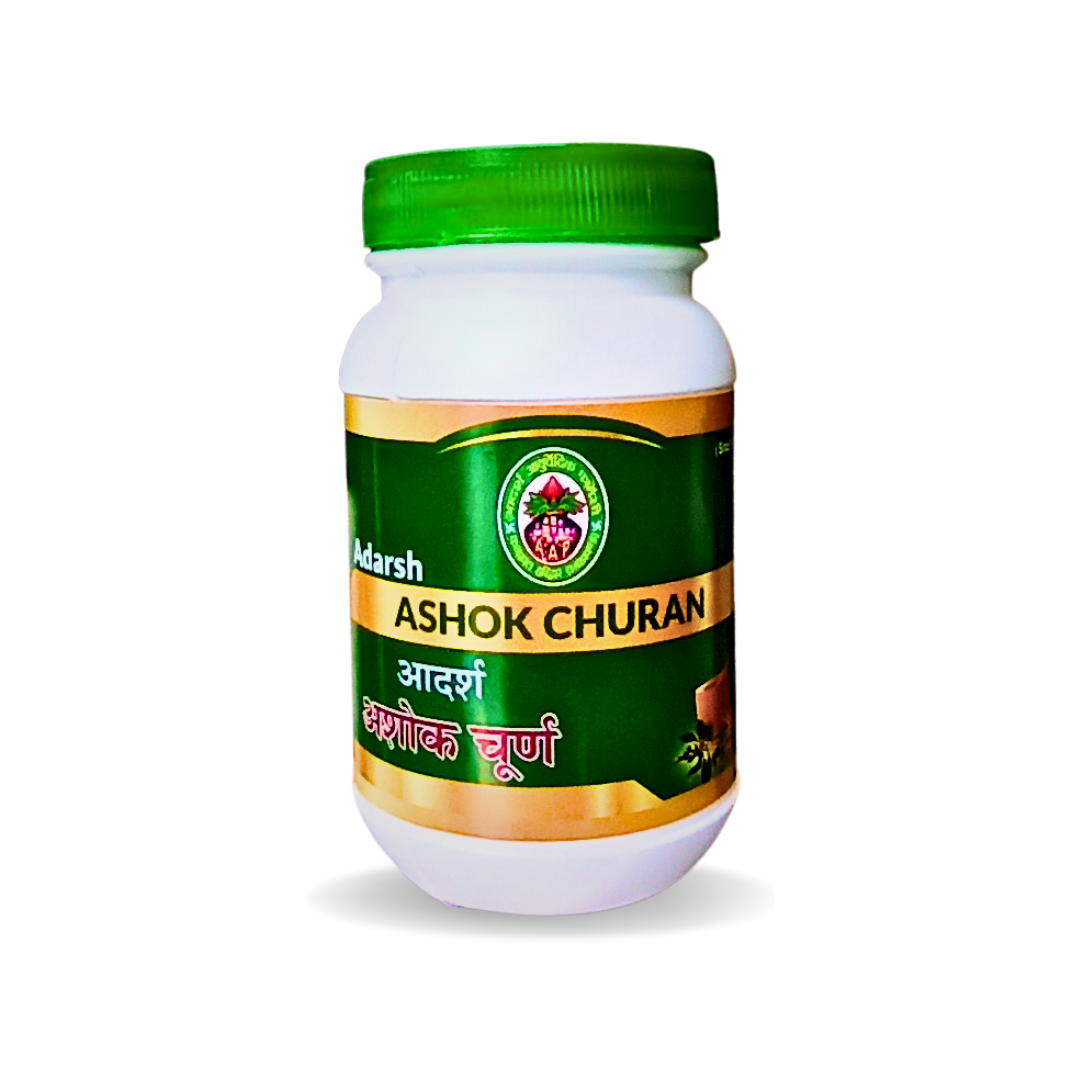
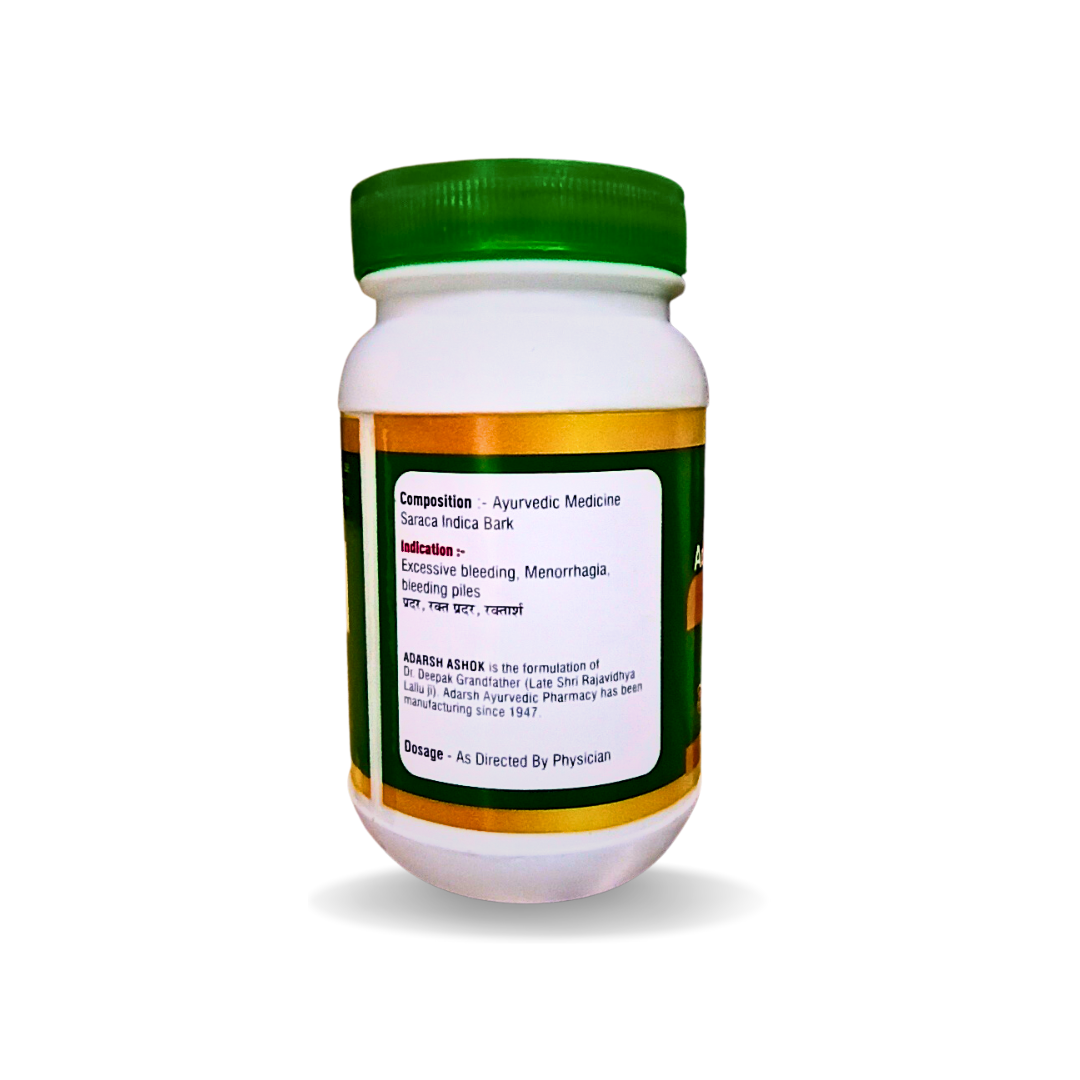
Ashok, also known as Saraca indica, is an Ayurvedic herb derived from the bark of the Saraca indica tree. The bark of this tree is used for medicinal purposes in Ayurveda.
According to the Ayurvedic Medicine book, Ashok bark is traditionally used to treat various health conditions such as excessive bleeding, menorrhagia (heavy menstrual bleeding), and bleeding piles (hemorrhoids).
Ashok bark is believed to have astringent and uterine tonic properties that may help reduce bleeding and tone the uterus. It is commonly used in Ayurvedic medicine as a natural remedy for various gynecological disorders, including those mentioned above.
Reviews
There are no reviews yet.