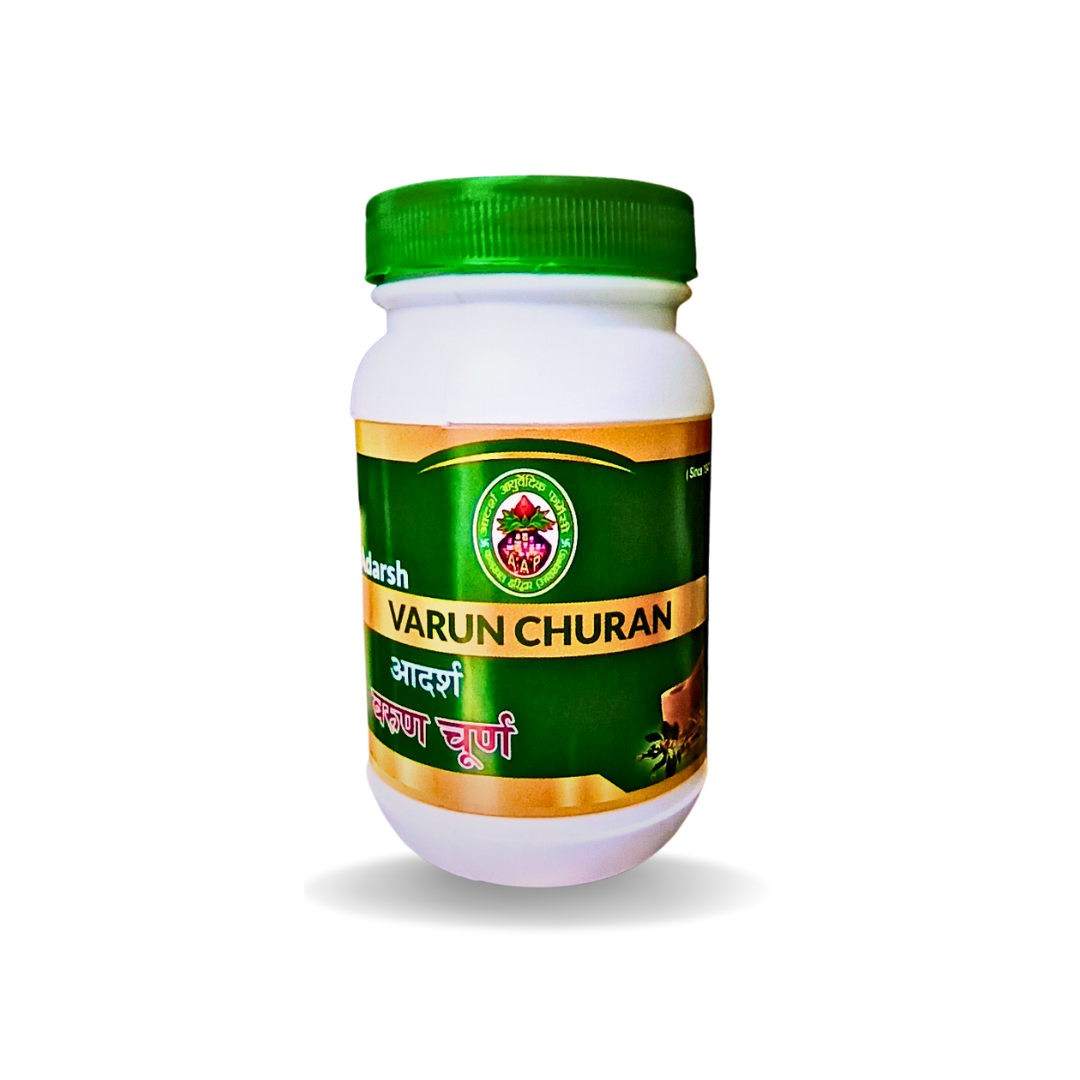
Varun Churan
₹100
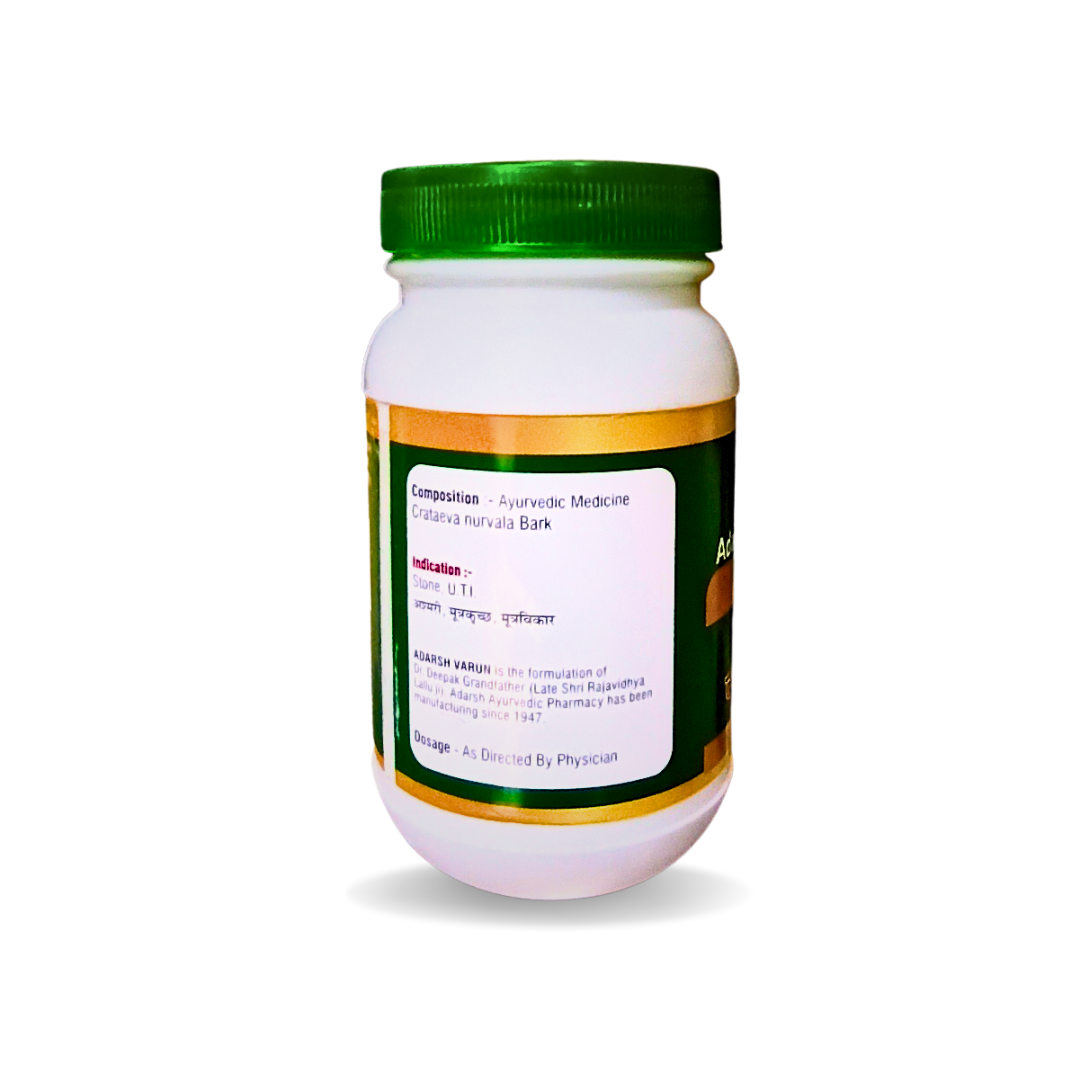
Varun, also known as Crataeva nurvala, is a tree that is commonly used in Ayurvedic medicine for its medicinal properties. The bark of the Varun tree is particularly useful in treating urinary tract infections (UTIs) and kidney stones.
The bark of the Varun tree has diuretic properties, which means it can help increase the production of urine and improve the function of the urinary tract. This can help flush out toxins and bacteria that may be causing a UTI or kidney stone.
Varun, also known as Crataeva nurvala, is a tree that is commonly used in Ayurvedic medicine for its medicinal properties. The bark of the Varun tree is particularly useful in treating urinary tract infections (UTIs) and kidney stones.
The bark of the Varun tree has diuretic properties, which means it can help increase the production of urine and improve the function of the urinary tract. This can help flush out toxins and bacteria that may be causing a UTI or kidney stone.
To use Varun bark, it is typically ground into a powder and consumed orally. It can also be added to hot water to make a tea. Varun bark is often used in combination with other herbs to treat UTIs and kidney stones.
The bark of the Varun tree has diuretic properties, which means it can help increase the production of urine and improve the function of the urinary tract. This can help flush out toxins and bacteria that may be causing a UTI or kidney stone.
Buy 10 get one free.
Selflife: 3 Years
| Weight | 250 g |
|---|---|
| Dimensions | 14 × 12.5 × 8.5 cm |
| Weight | 100gm |
Related Products
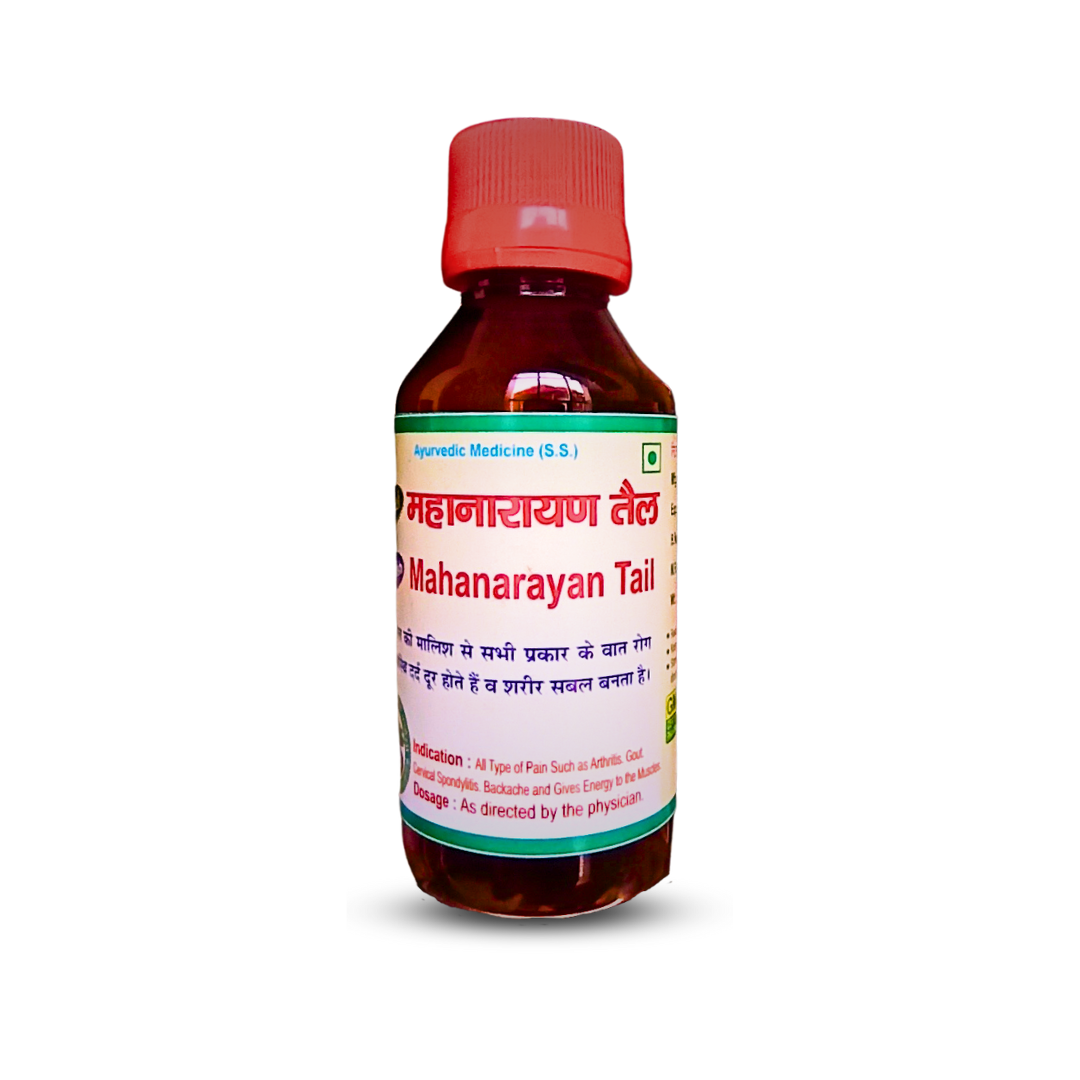
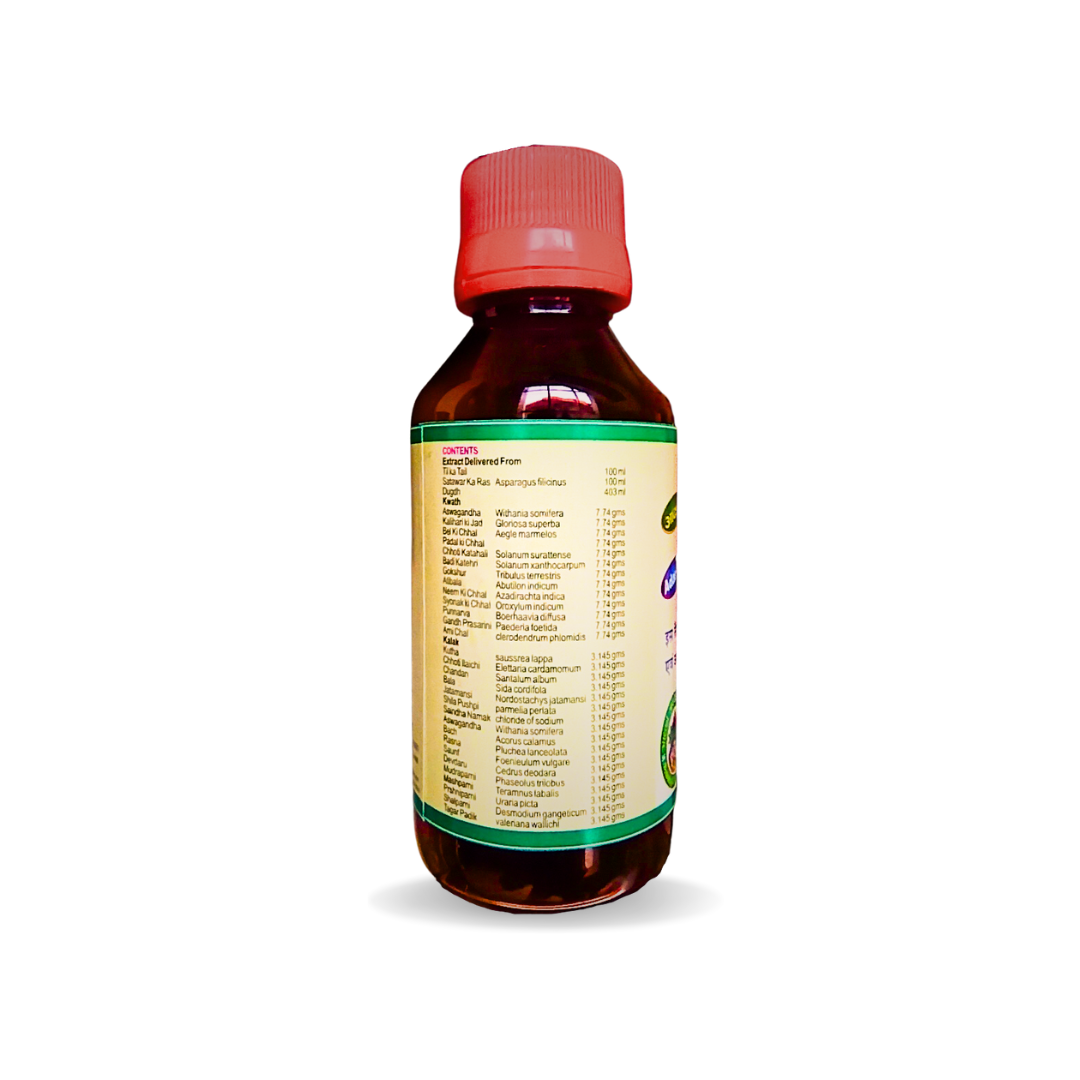
Maha Narayan Tail is typically applied topically to the affected area and gently massaged into the skin. The frequency and duration of use can vary based on individual needs and the guidance of a qualified healthcare professional. It is important to note that like all herbal remedies, Maha Narayan Tail may cause allergic reactions or other side effects in some individuals, and should be used with caution.
Maha Narayan Tail is an Ayurvedic herbal oil that is made from a blend of several herbs, including Bala (Sida cordifolia), Ashwagandha (Withania somnifera), and Manjistha (Rubia cordifolia). This oil is commonly used in Ayurvedic medicine for the treatment of joint pain, muscle pain, and stiffness.
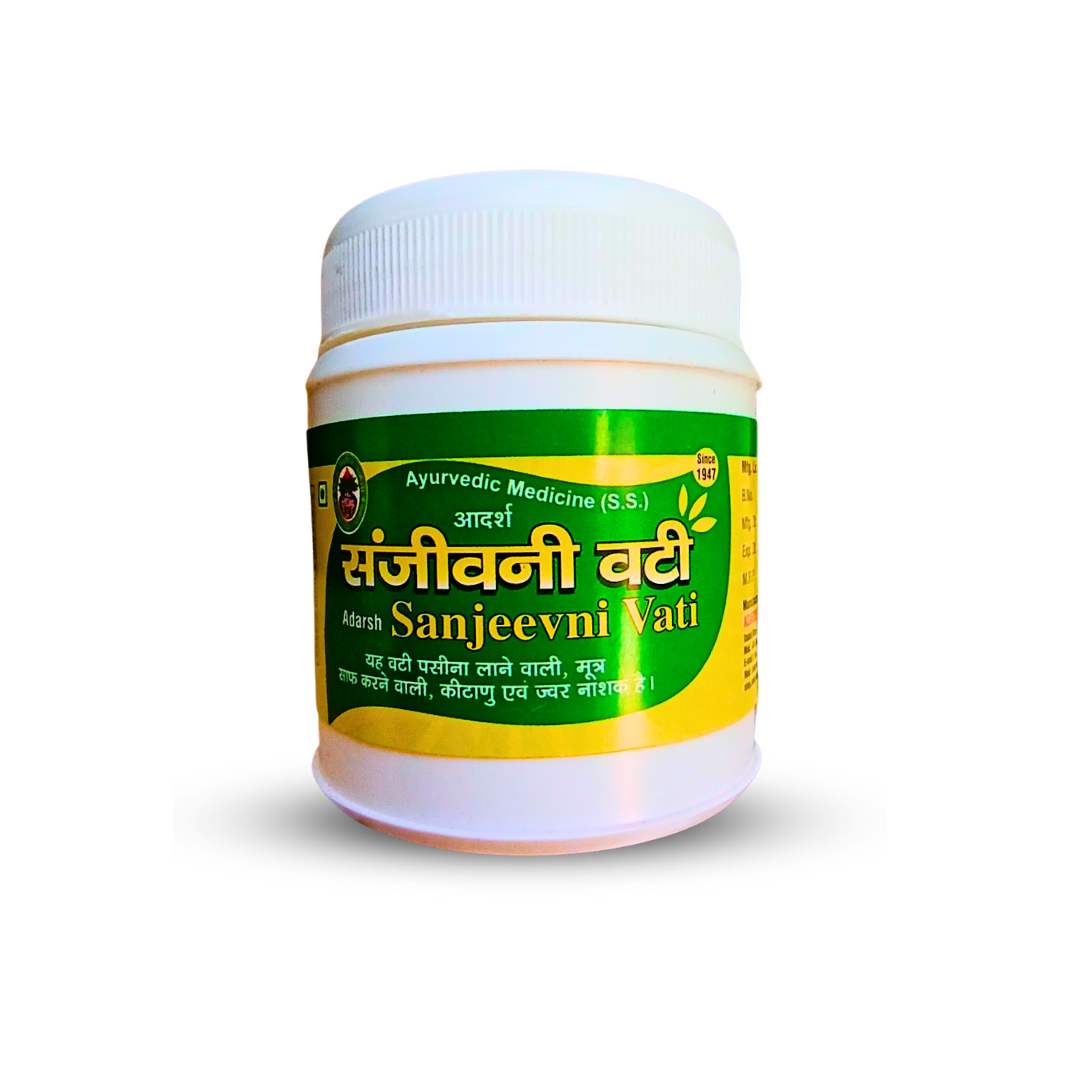
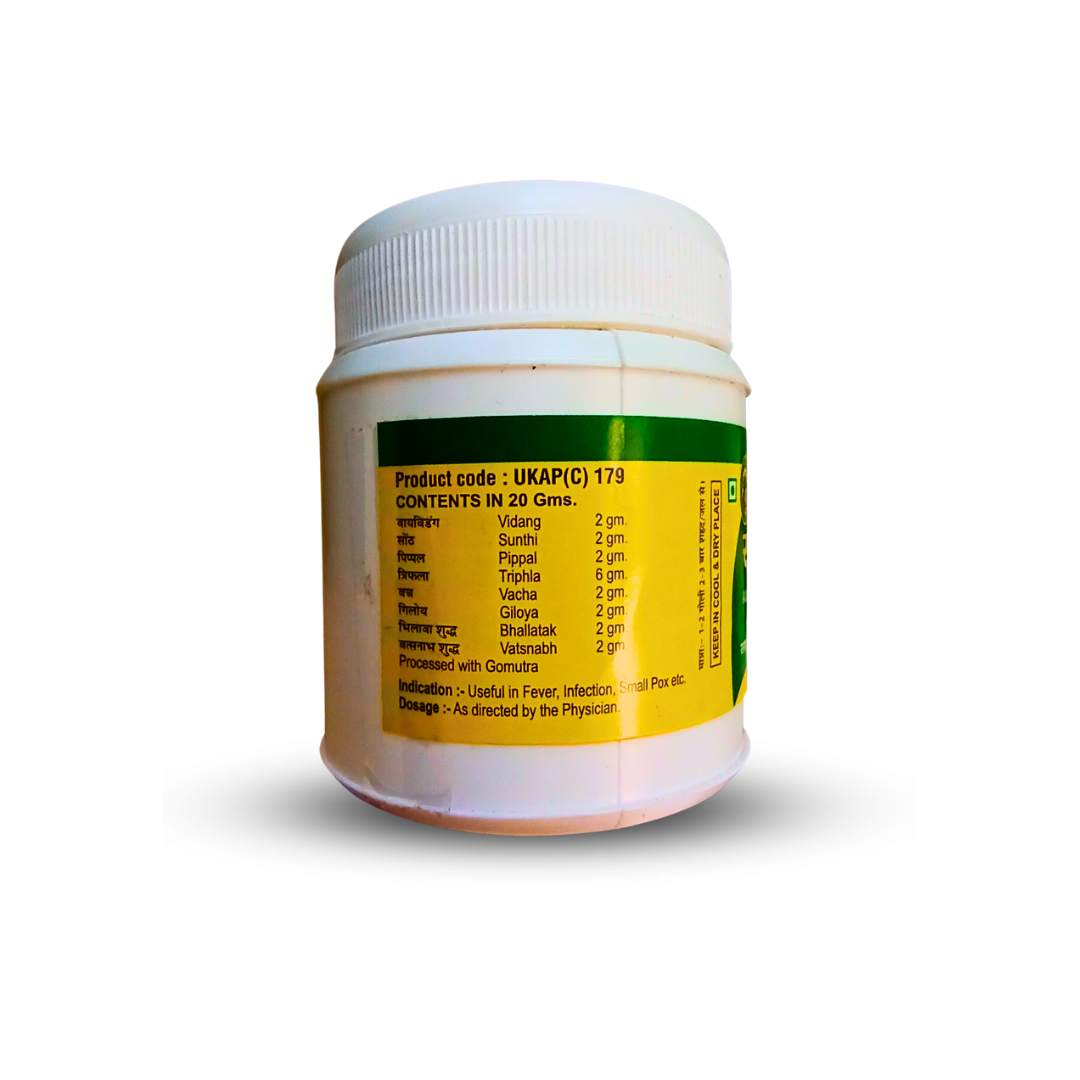
According to Ayurveda, Sanjivani Vati is used to balance the Pitta and Kapha doshas in the body. It is commonly used for the treatment of fever, cough, cold, and other respiratory tract infections. It is also used to boost immunity and improve digestion.
Sanjivani Vati is known for its anti-inflammatory, antipyretic, and immunomodulatory properties. It helps in reducing fever, inflammation, and pain in the body, and also helps in boosting immunity and preventing infections. It is also beneficial for treating digestive disorders such as indigestion and bloating.
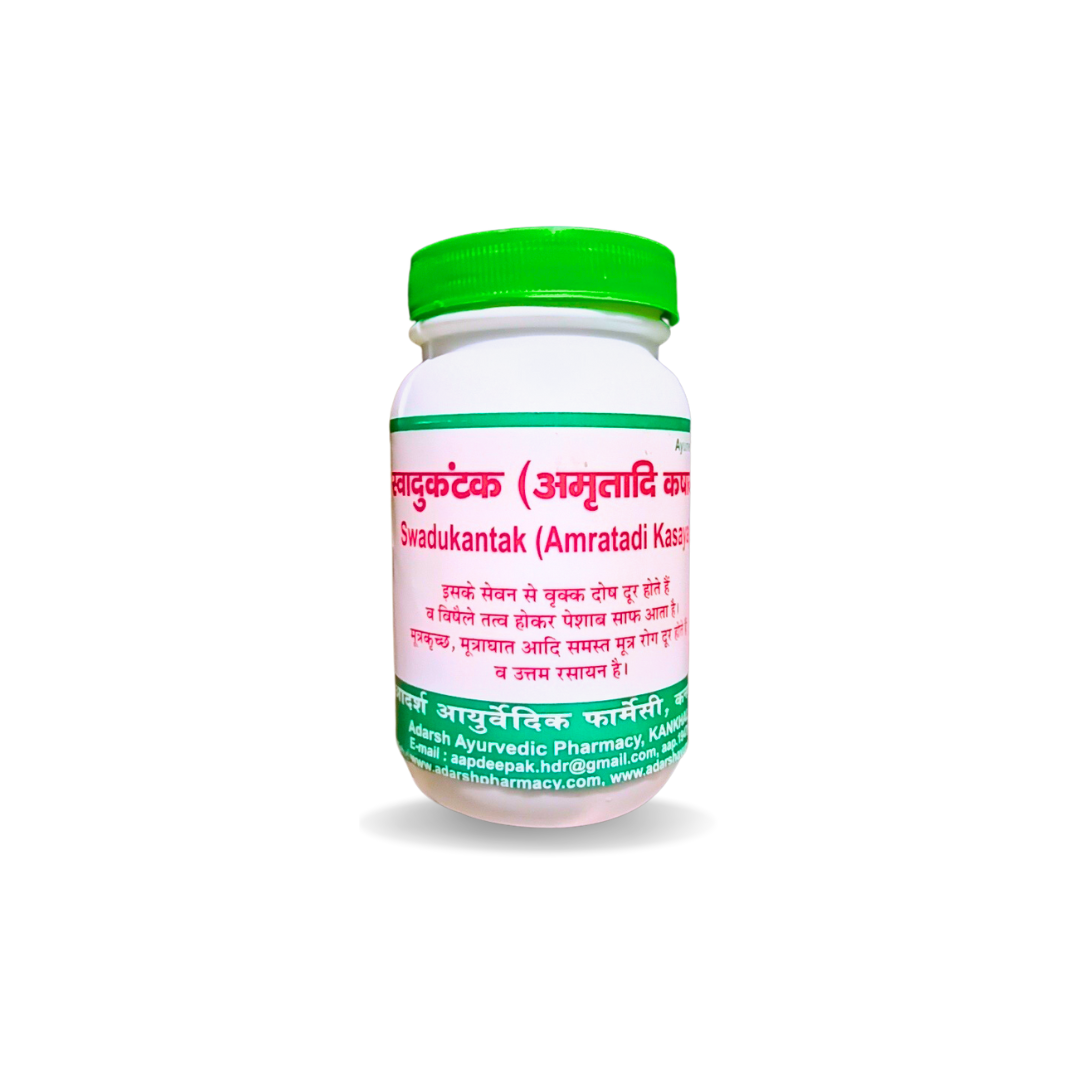
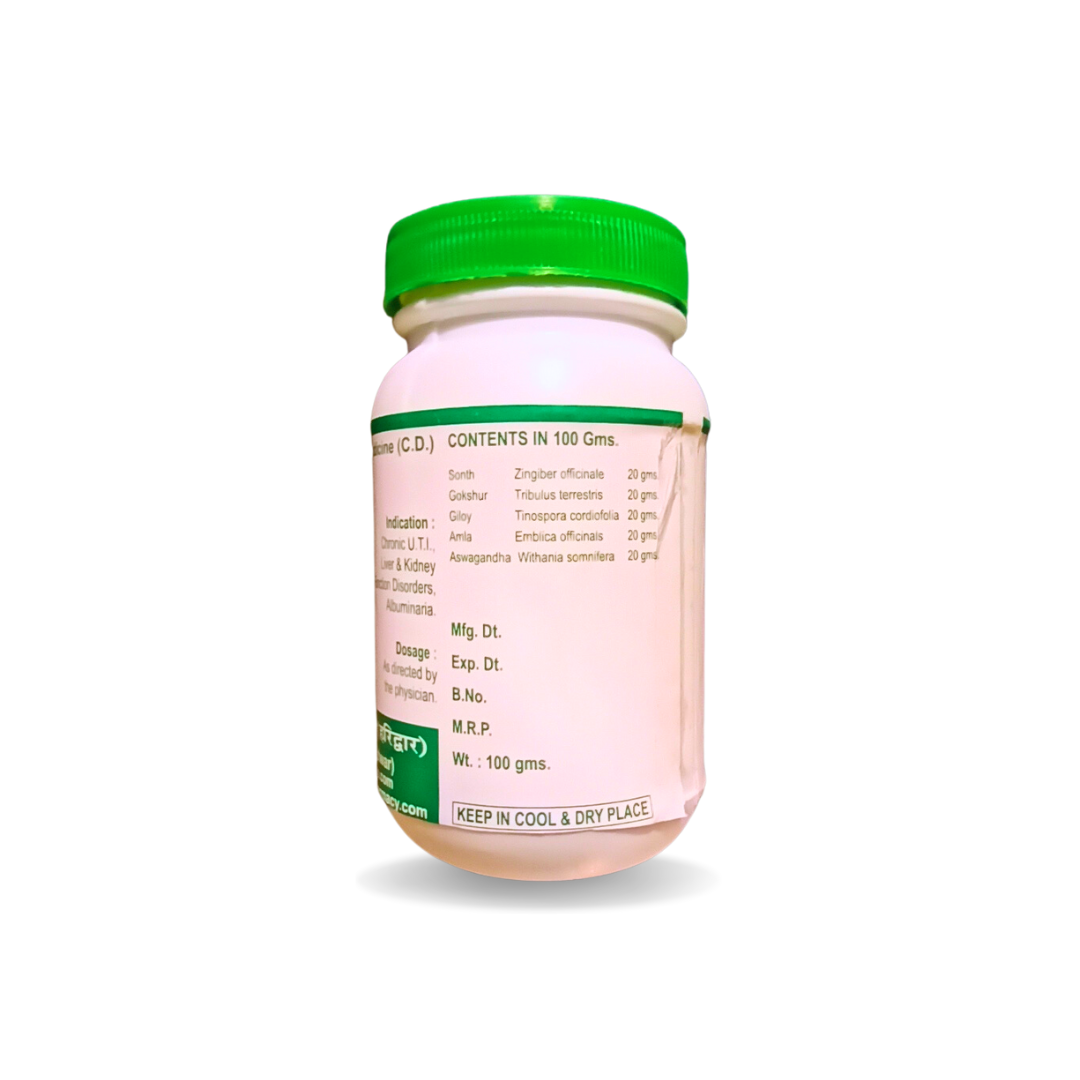
Swadukantak is typically taken in tablet form, and the recommended dosage and duration of use can vary based on the individual’s specific health needs and the guidance of a qualified healthcare professional. It is important to note that like all herbal remedies, Swadukantak may interact with certain medications or have potential side effects in some individuals.
Swadukantak is an Ayurvedic herbal formula used to support healthy digestion and promote overall gastrointestinal health. It is a blend of several herbs, including Chitrak (Plumbago zeylanica), Pippali (Piper longum), and Ajwain (Trachyspermum ammi).
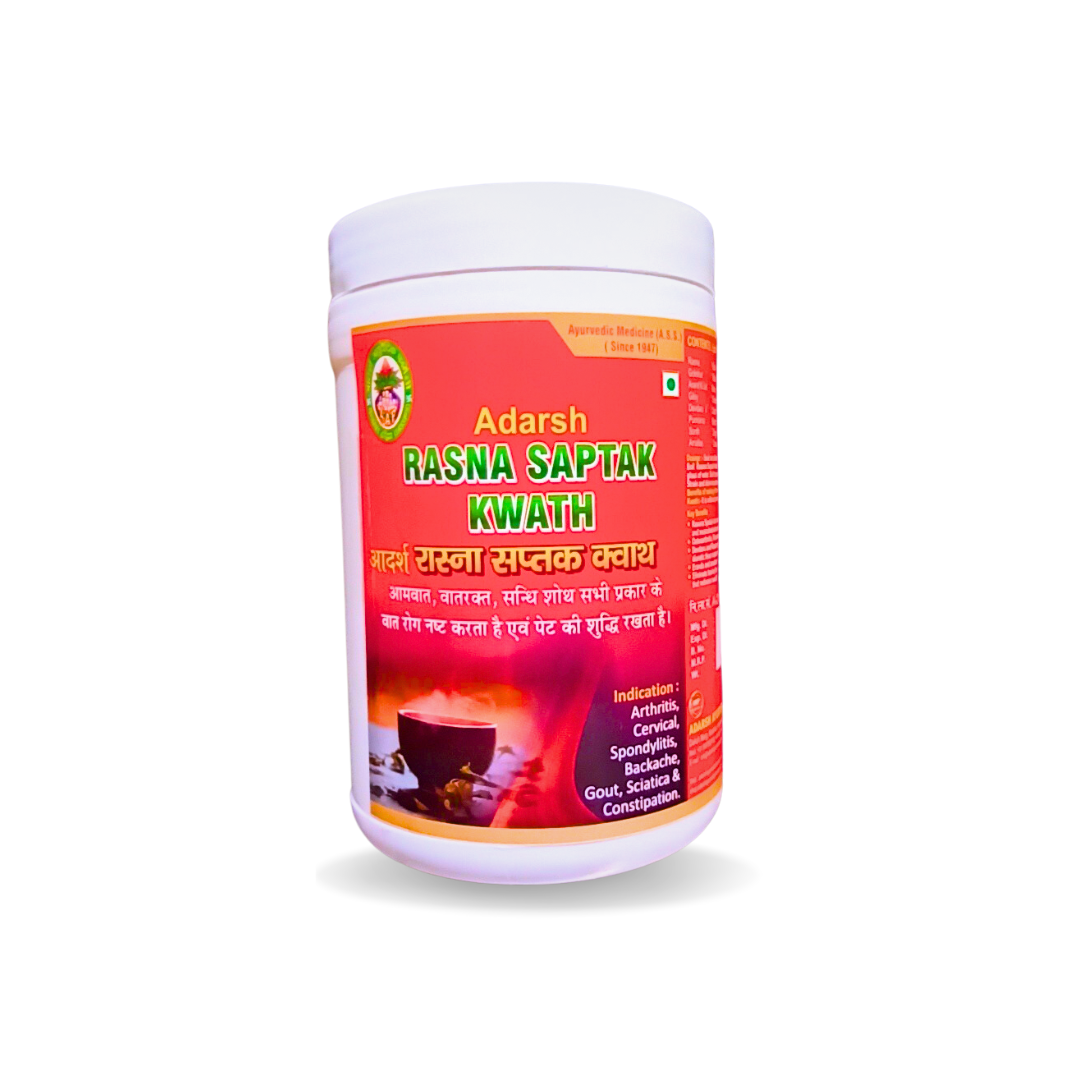
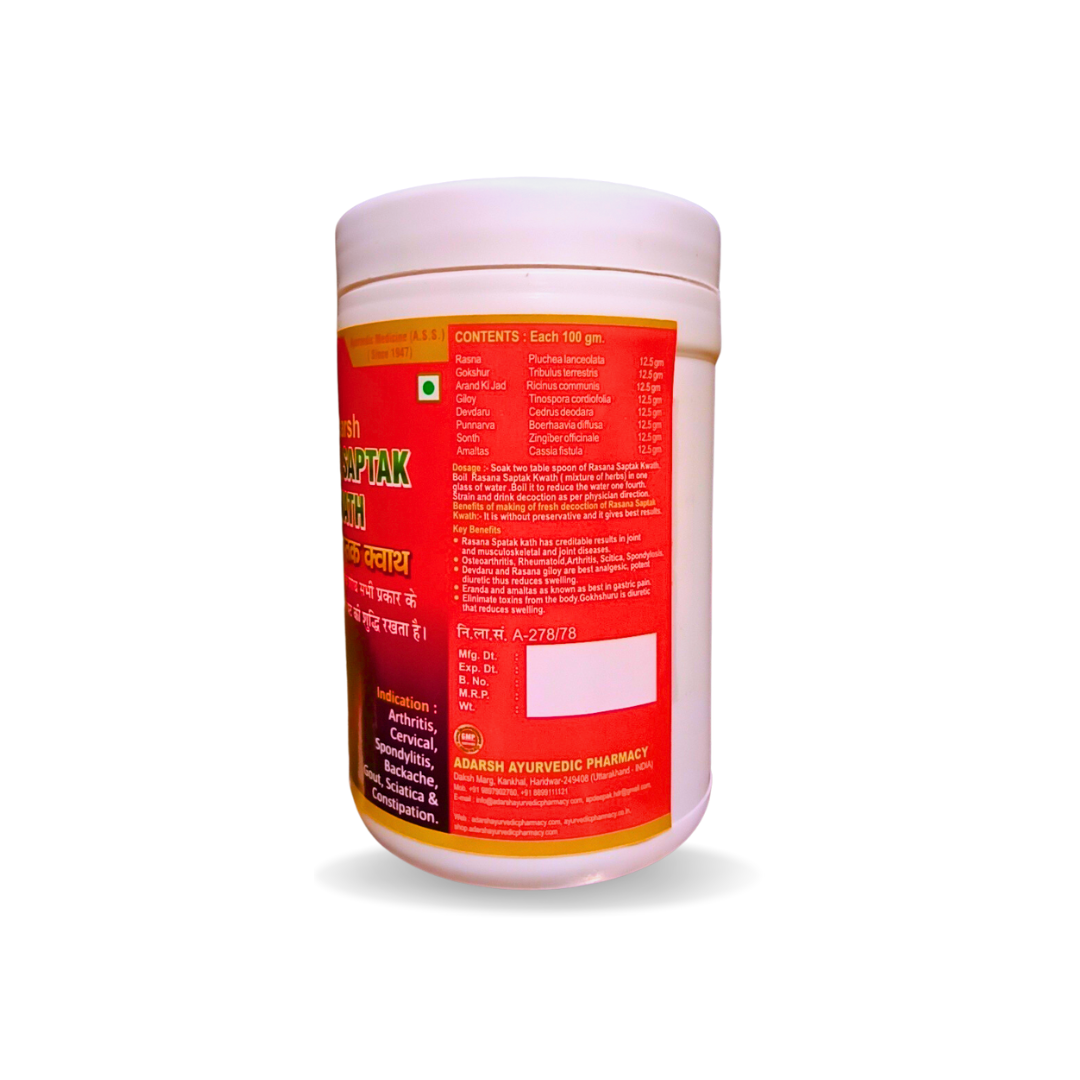
Rasanasaptak Kwath is an Ayurvedic herbal decoction made from a combination of seven herbs, including Ashwagandha (Withania somnifera), Shatavari (Asparagus racemosus), and Guduchi (Tinospora cordifolia).
According to Ayurvedic principles, Rasanasaptak Kwath is believed to help support overall health and well-being by promoting healthy digestion, improving immunity, and reducing inflammation in the body. It is commonly used to help manage symptoms associated with arthritis, joint pain, and other inflammatory conditions.
Rasanasaptak Kwath is typically prepared by boiling the herbal mixture in water and then straining the decoction before consuming. It is important to note that like all herbal remedies, Rasanasaptak Kwath should be taken under the guidance of a qualified healthcare professional, as it may interact with certain medications or have potential side effects in some individuals.
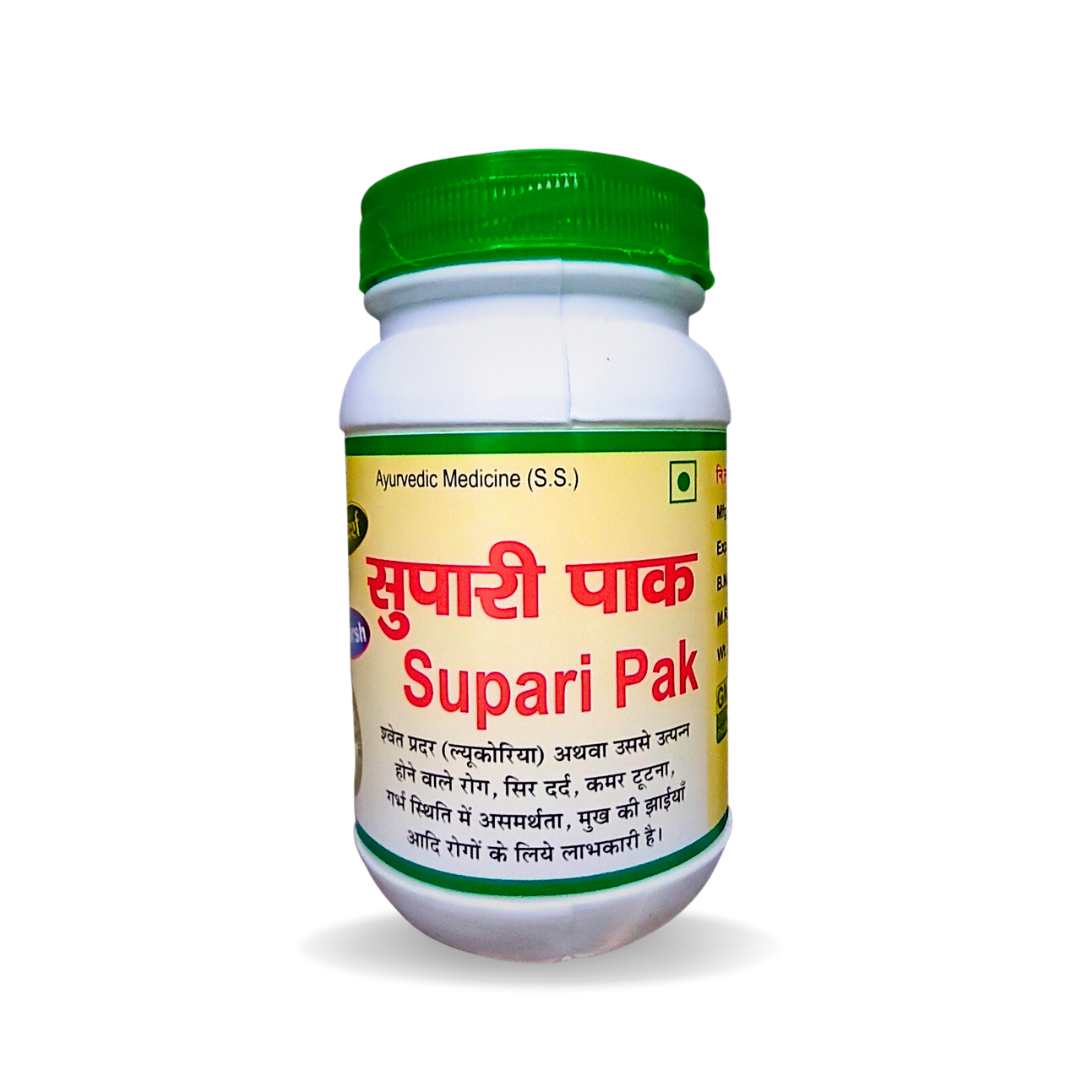
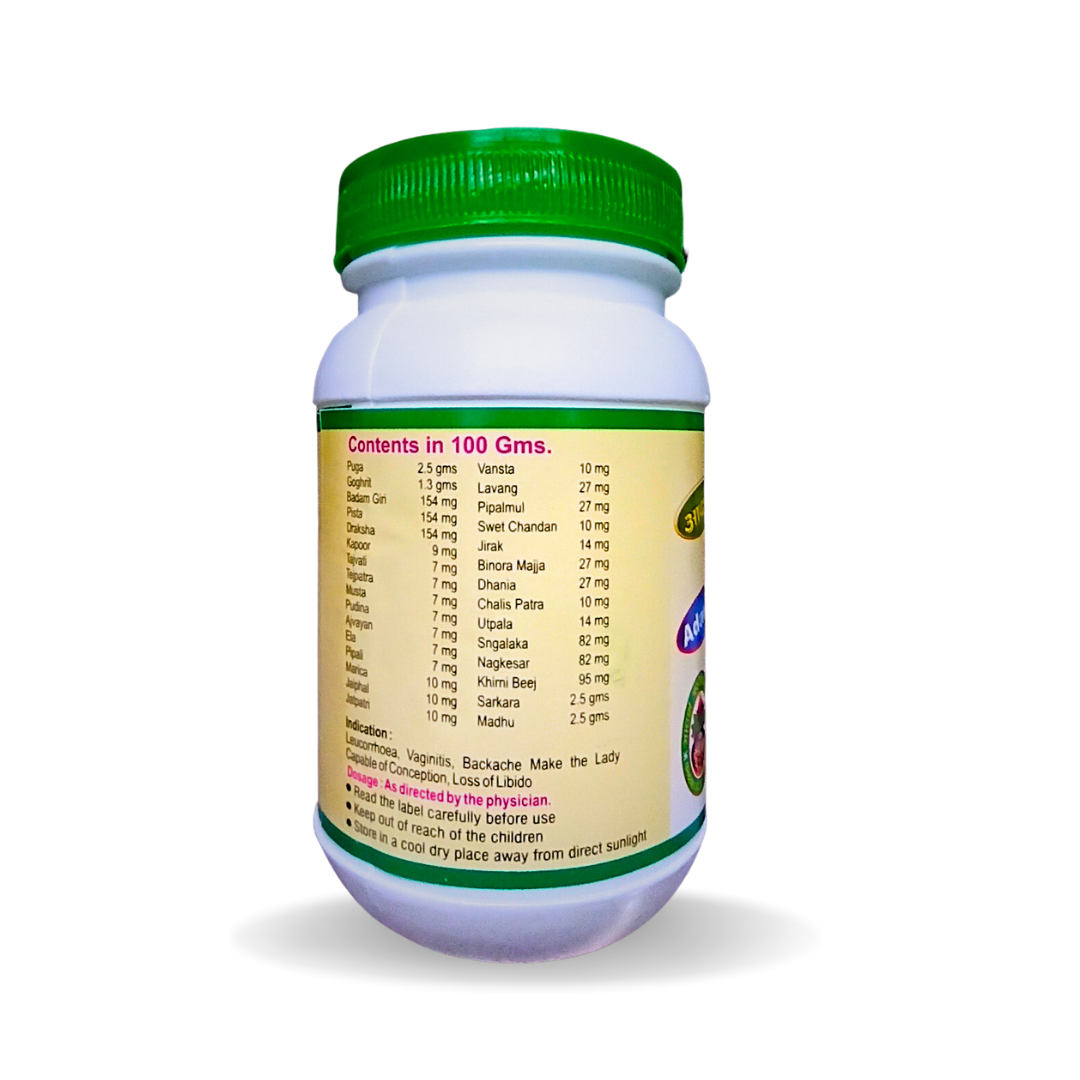
Supari Pak is a herbal Ayurvedic formulation that is commonly used in traditional Indian medicine. It is a sweet and spicy powder made from various herbs and spices, with betel nut (supari in Hindi) being the primary ingredient.
Some of the key ingredients in Supari Pak include betel nut, cardamom, cinnamon, clove, ginger, and honey. These ingredients are believed to have a range of health benefits, such as improving digestion, reducing inflammation, boosting the immune system, and promoting healthy reproductive function.
Supari Pak is typically taken in small doses, usually one to two teaspoons a day.
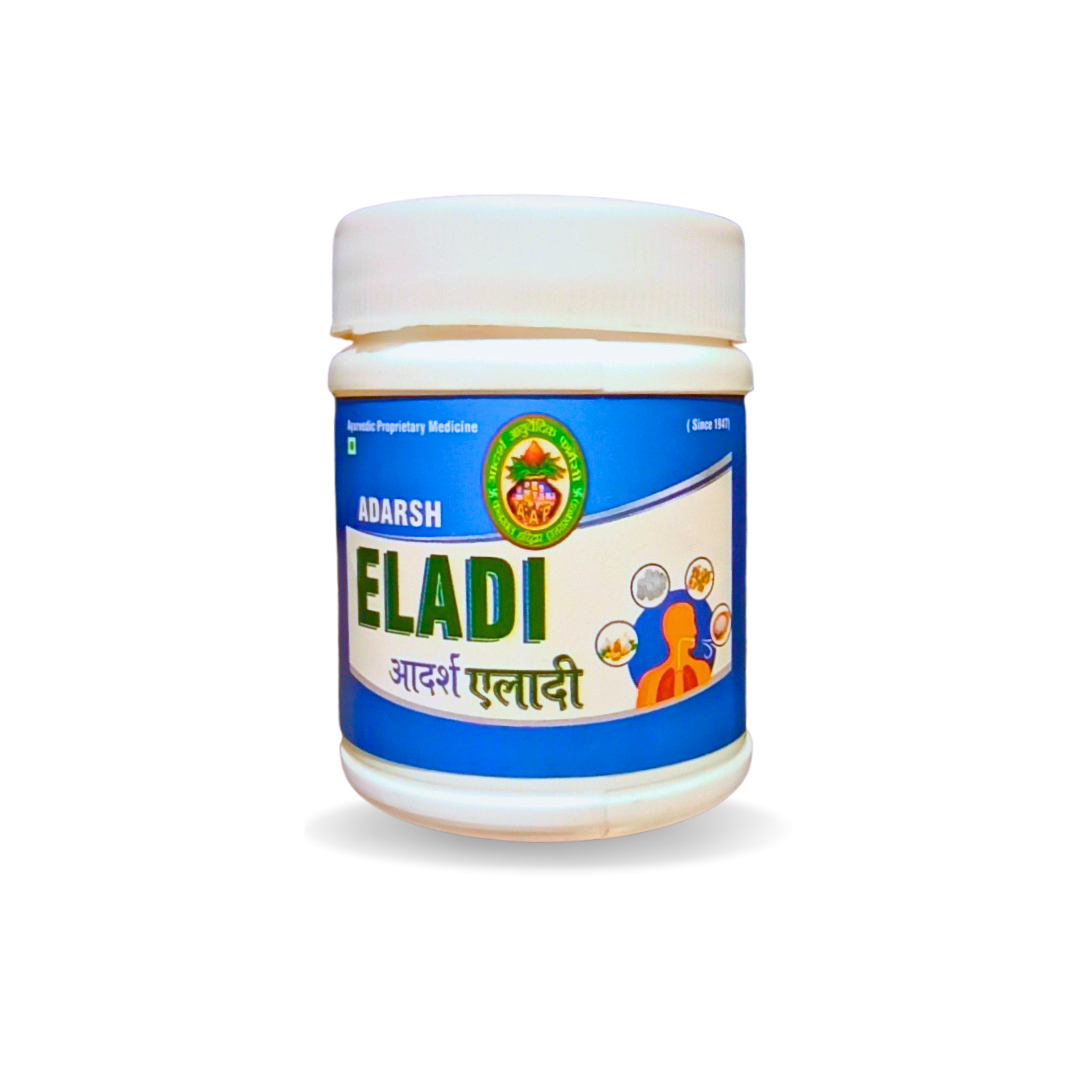
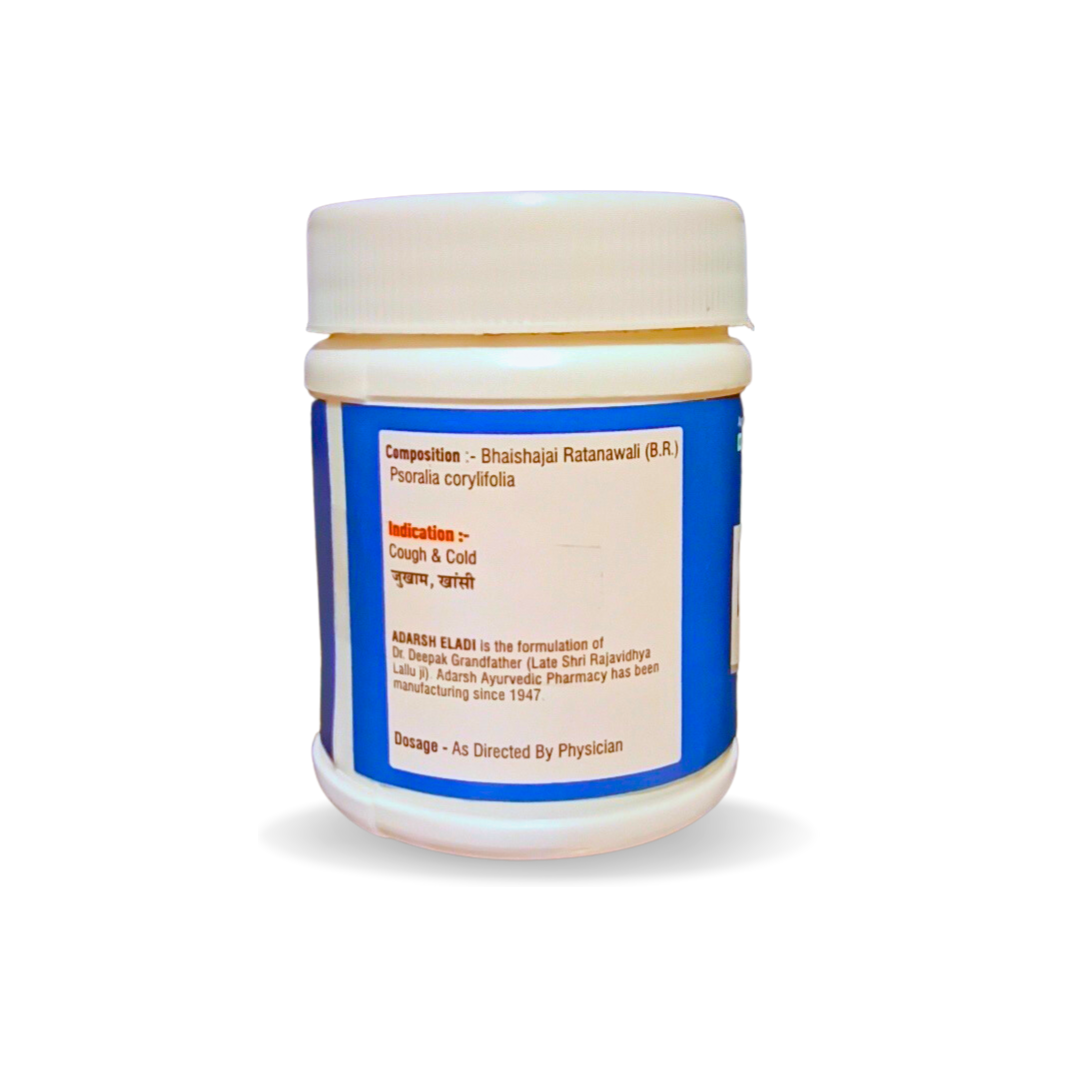
Eladi Vati is typically taken orally, and the recommended dosage and duration of use may vary depending on the individual’s condition and overall health. It is important to consult with a qualified Ayurvedic practitioner before using this or any other herbal remedy.
Although Eladi Vati is generally considered safe when taken as directed, some individuals may experience side effects such as stomach upset, allergic reactions, or interactions with other medications. It is important to speak with a healthcare provider before using this or any other herbal remedy, especially if you are pregnant, breastfeeding, or have any underlying health conditions.
Out of stock
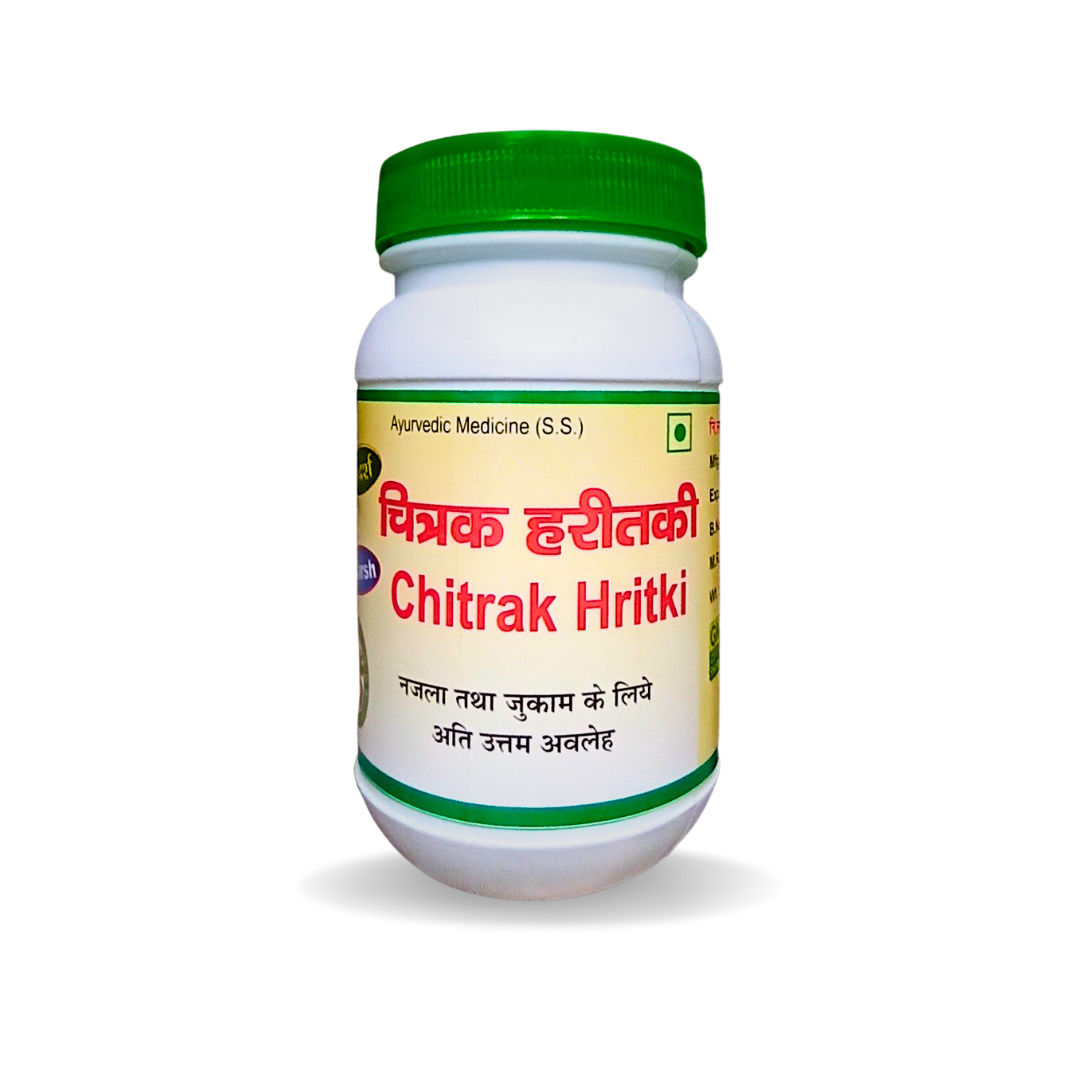
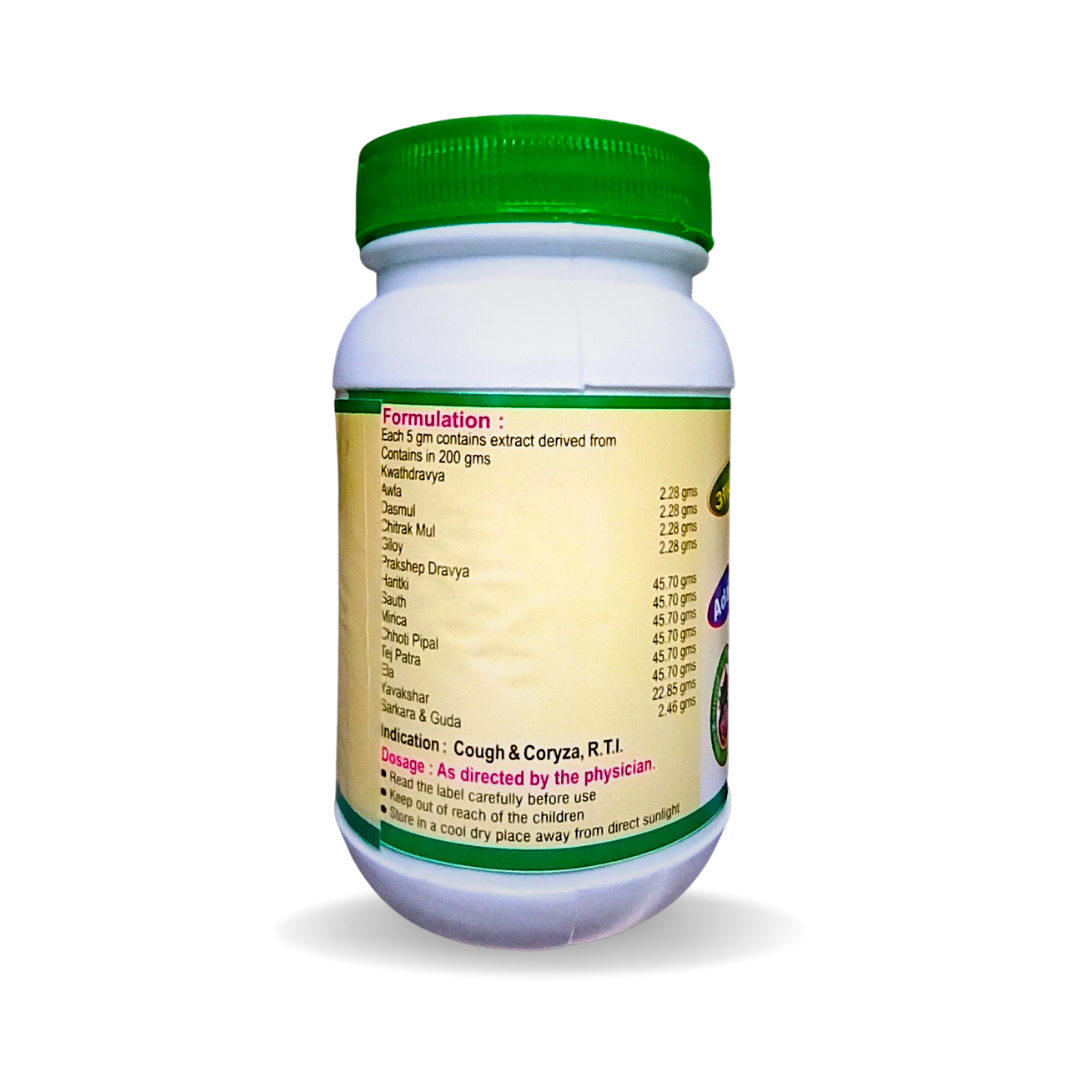
Haritaki is another important herb in Ayurveda and is considered to be one of the most versatile herbs in the Ayurvedic pharmacopoeia. It is believed to have a wide range of health benefits, including promoting digestion, supporting healthy liver function, and improving cognitive function.
Together, Chitrak and Haritaki are believed to enhance each other’s effects, making Chitrak Haritaki a powerful herbal remedy for digestive disorders and other health conditions.
Chitrak Haritaki is commonly used in Ayurvedic medicine to treat a variety of health conditions, including poor digestion, constipation, abdominal pain, flatulence, anemia, and respiratory disorders. It is typically taken in powdered form, mixed with warm water or milk, or Chitrak Haritaki is an Ayurvedic herbal formulation made from two main ingredients: Chitrak (Plumbago zeylanica) and Haritaki (Terminalia chebula).
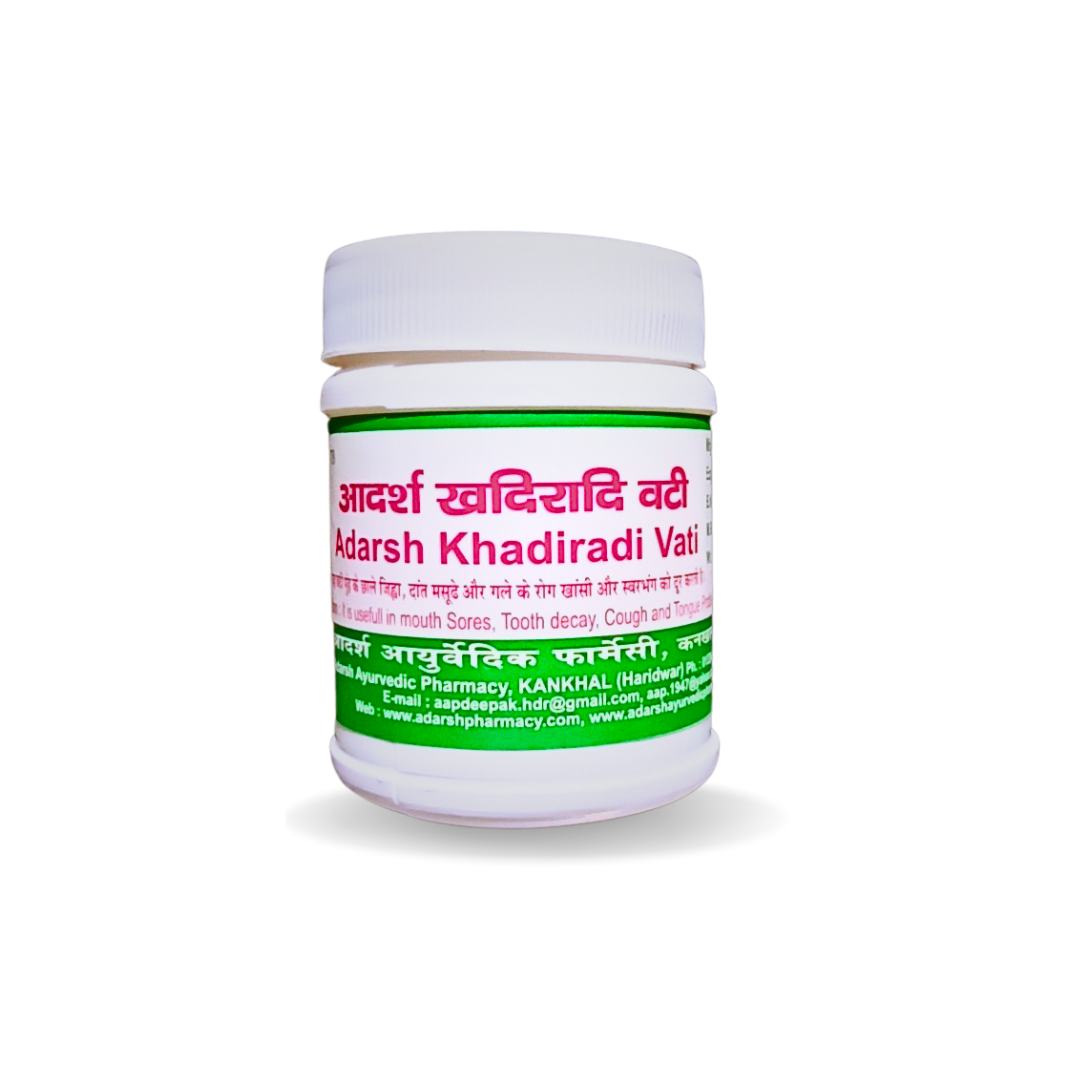
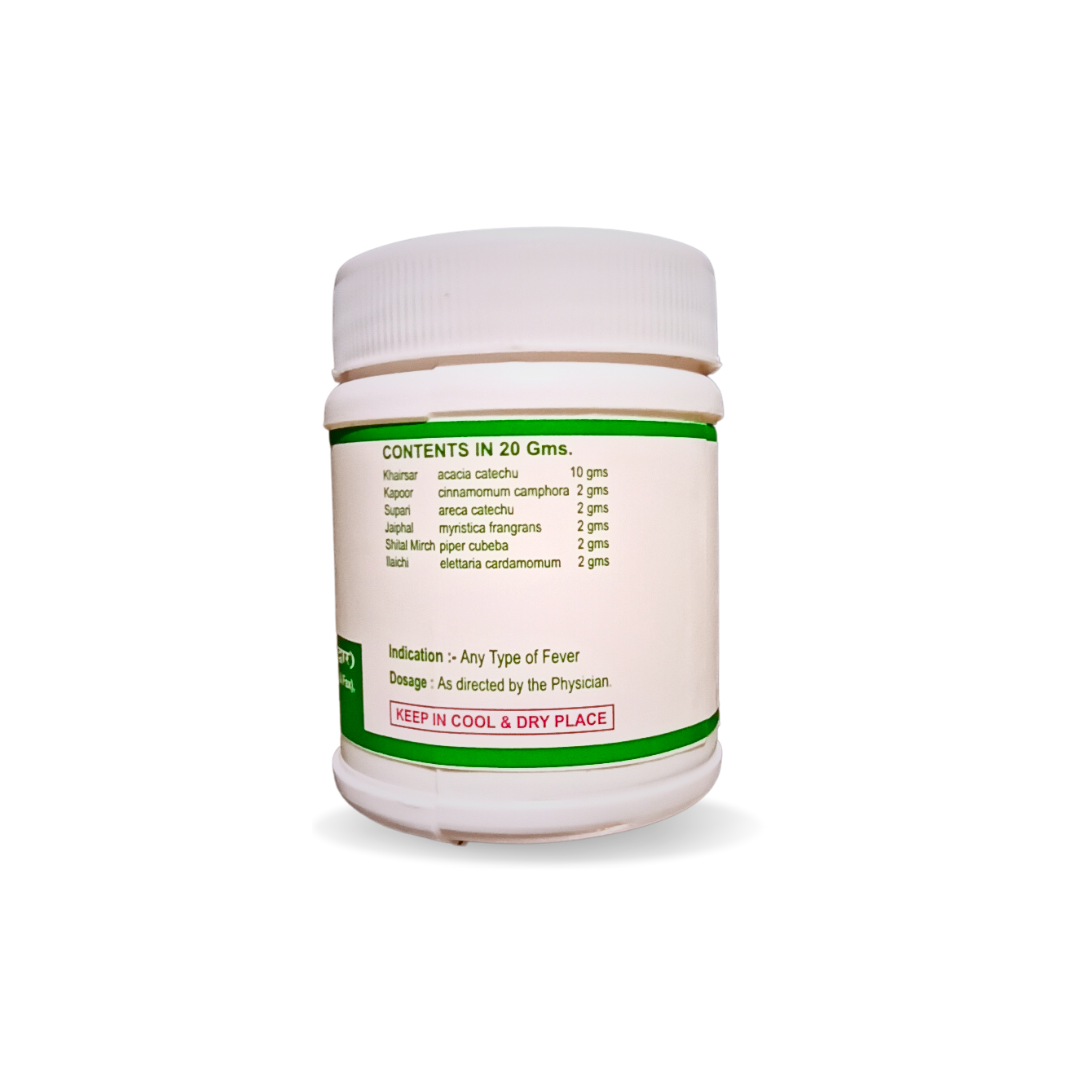
According to Ayurveda, Khadiradi Vati is used to balance the Kapha and Pitta doshas in the body. It is commonly used for the treatment of dental problems such as toothache, gingivitis, and bad breath. It is also used to improve digestion and treat stomach disorders.
Khadiradi Vati is known for its anti-inflammatory and antibacterial properties. It helps in reducing inflammation and pain in the gums, and also helps in killing harmful bacteria in the mouth. It is also beneficial for treating skin disorders like acne and eczema.
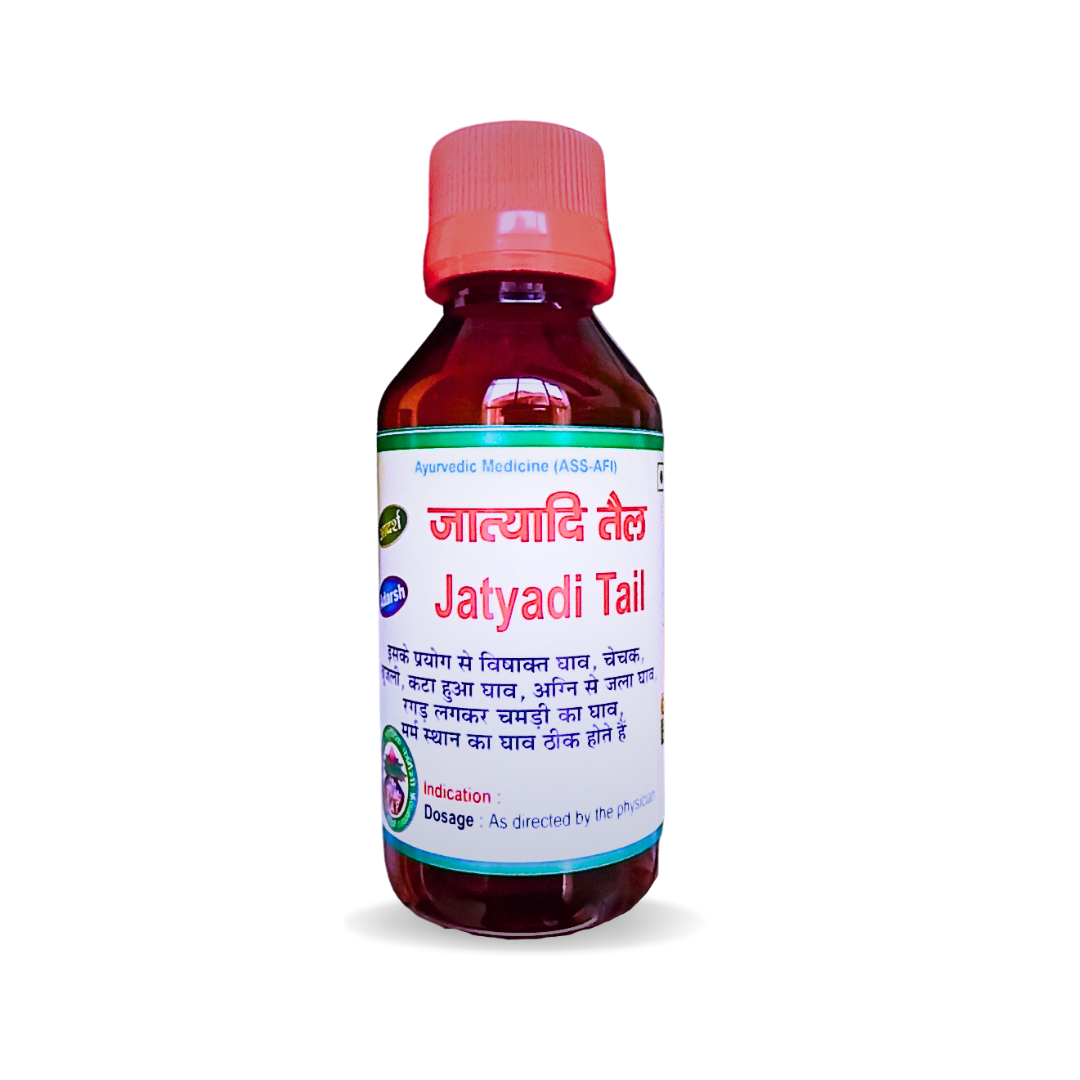
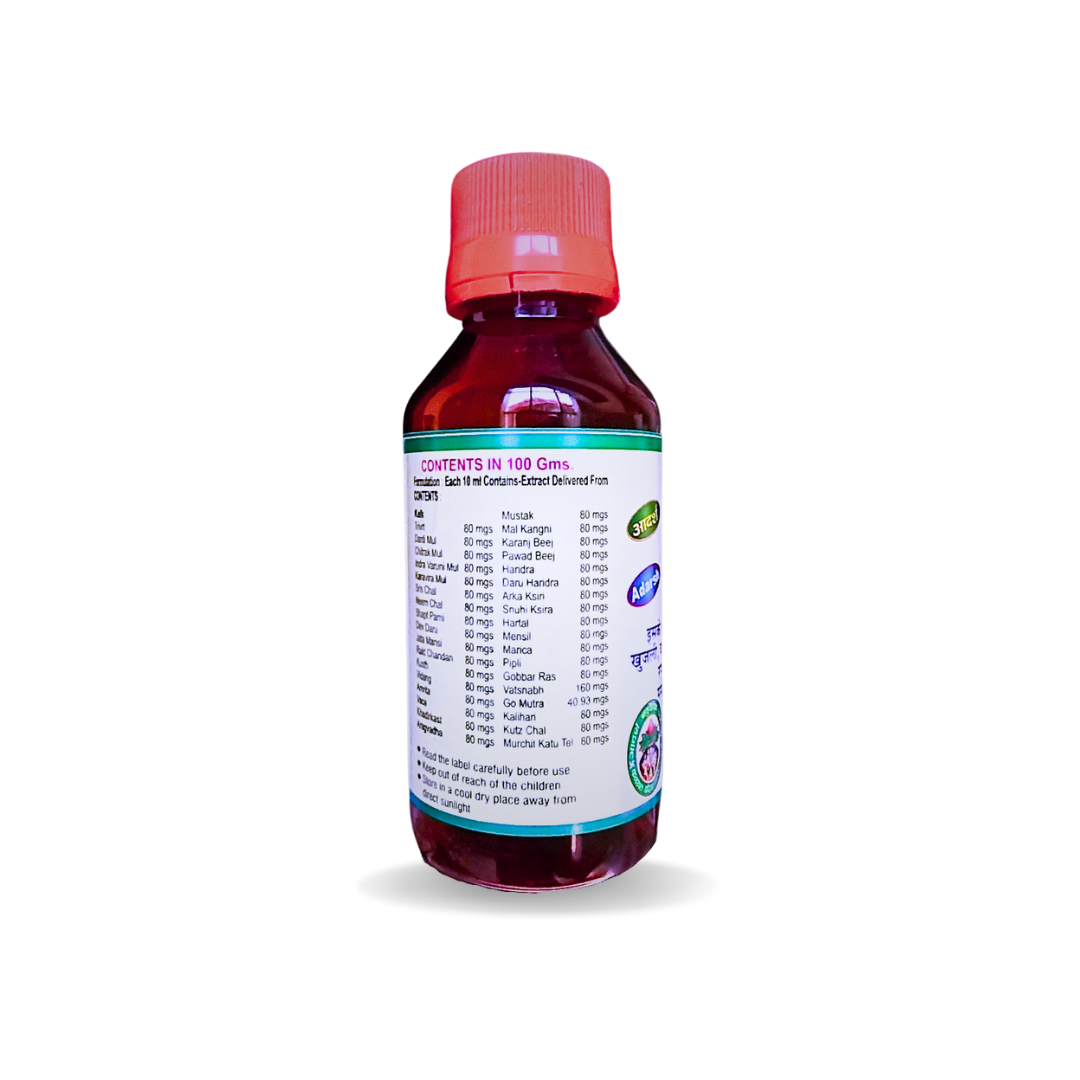
Jatyadi tail is typically applied topically to the affected area and gently massaged into the skin. The frequency and duration of use can vary based on individual needs and the guidance of a qualified healthcare professional. It is important to note that like all herbal remedies, Jatyadi tail may cause allergic reactions or other side effects in some individuals, and should be used with caution.
Jatyadi tail is an Ayurvedic herbal oil that is made from a blend of several herbs, including Jatiphal (Myristica fragrans), Haridra (Turmeric), and Neem (Azadirachta indica). This oil is commonly used in Ayurvedic medicine for the treatment of various skin disorders, such as cuts, wounds, burns, and other skin irritations.
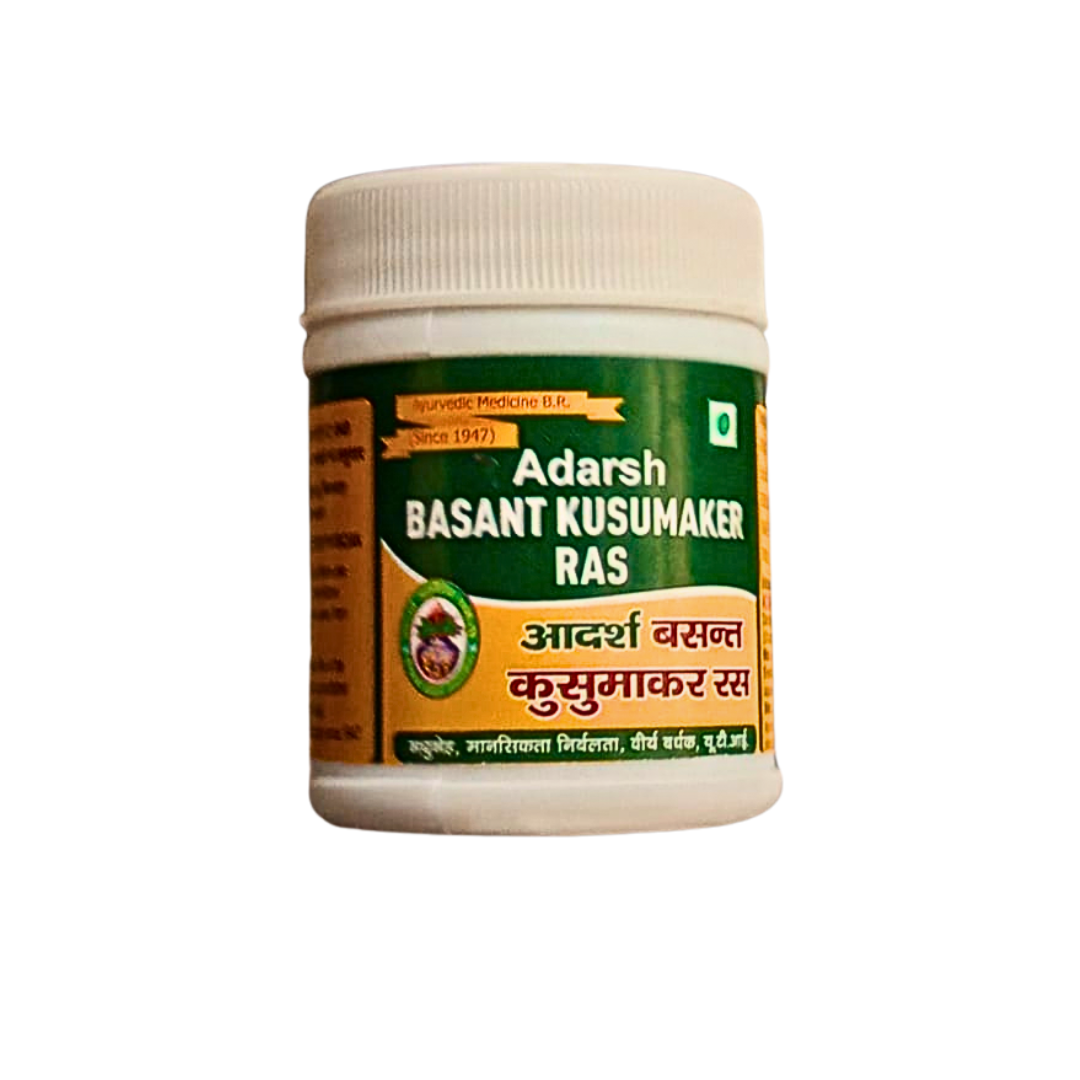
Basant Kusumakar Ras is believed to work by regulating blood sugar levels, improving digestion, and strengthening the immune system. It is also used to treat urinary tract infections, liver disorders, and pancreatitis. However, it is important to note that Basant Kusumakar Ras should only be taken under the guidance of a qualified Ayurvedic practitioner, as it may have some side effects and interactions with other medications.
It is a herbo-mineral formulation that contains various natural ingredients, including Swarna Bhasma (gold ash), Rajat Bhasma (silver ash), Vanga Bhasma (tin ash), and other herbs such as Haritaki (Terminalia chebula), Bibhitaki (Terminalia bellirica), Amalaki (Emblica officinalis), Shuddha Shilajit (purified asphaltum), and Guggulu (Commiphora mukul).
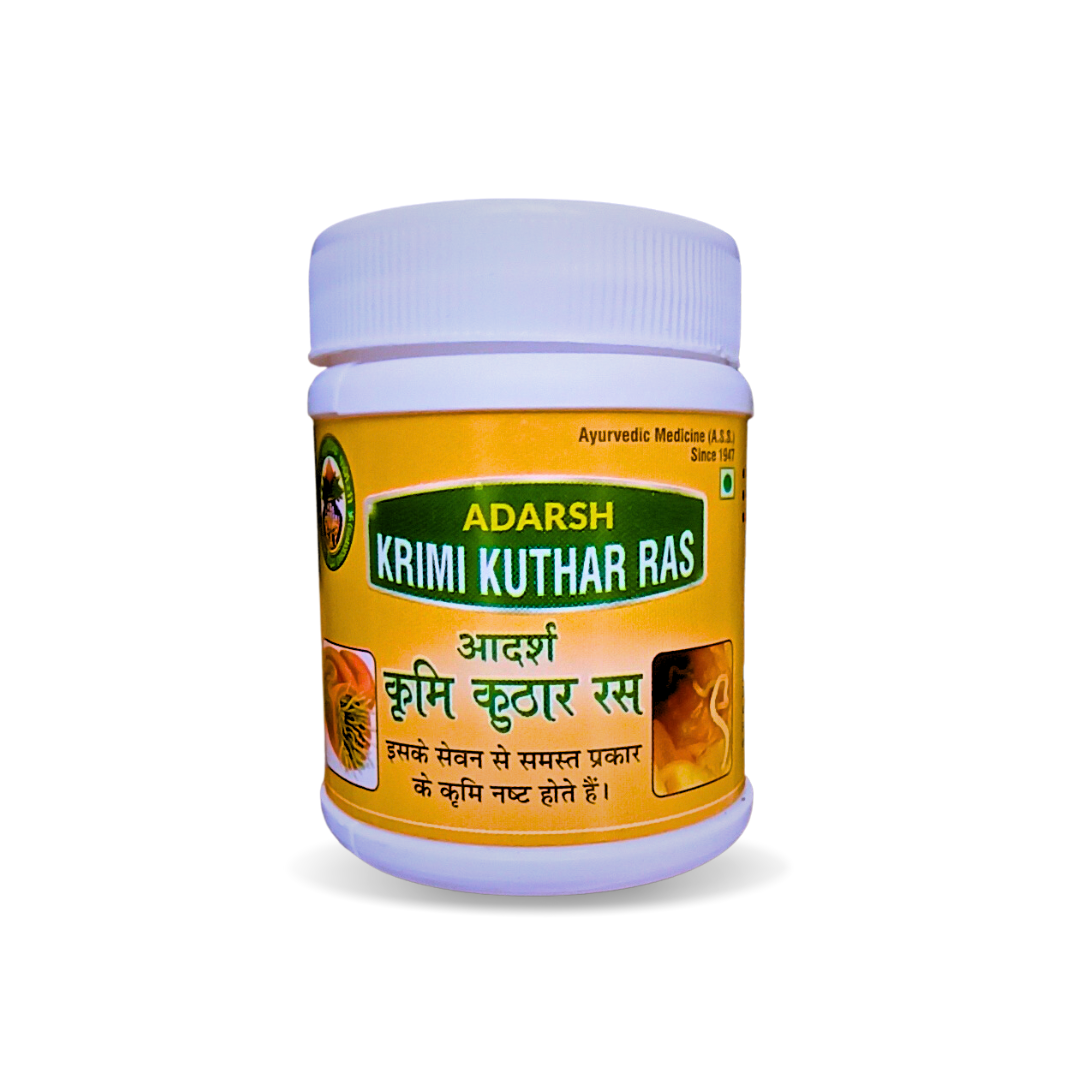
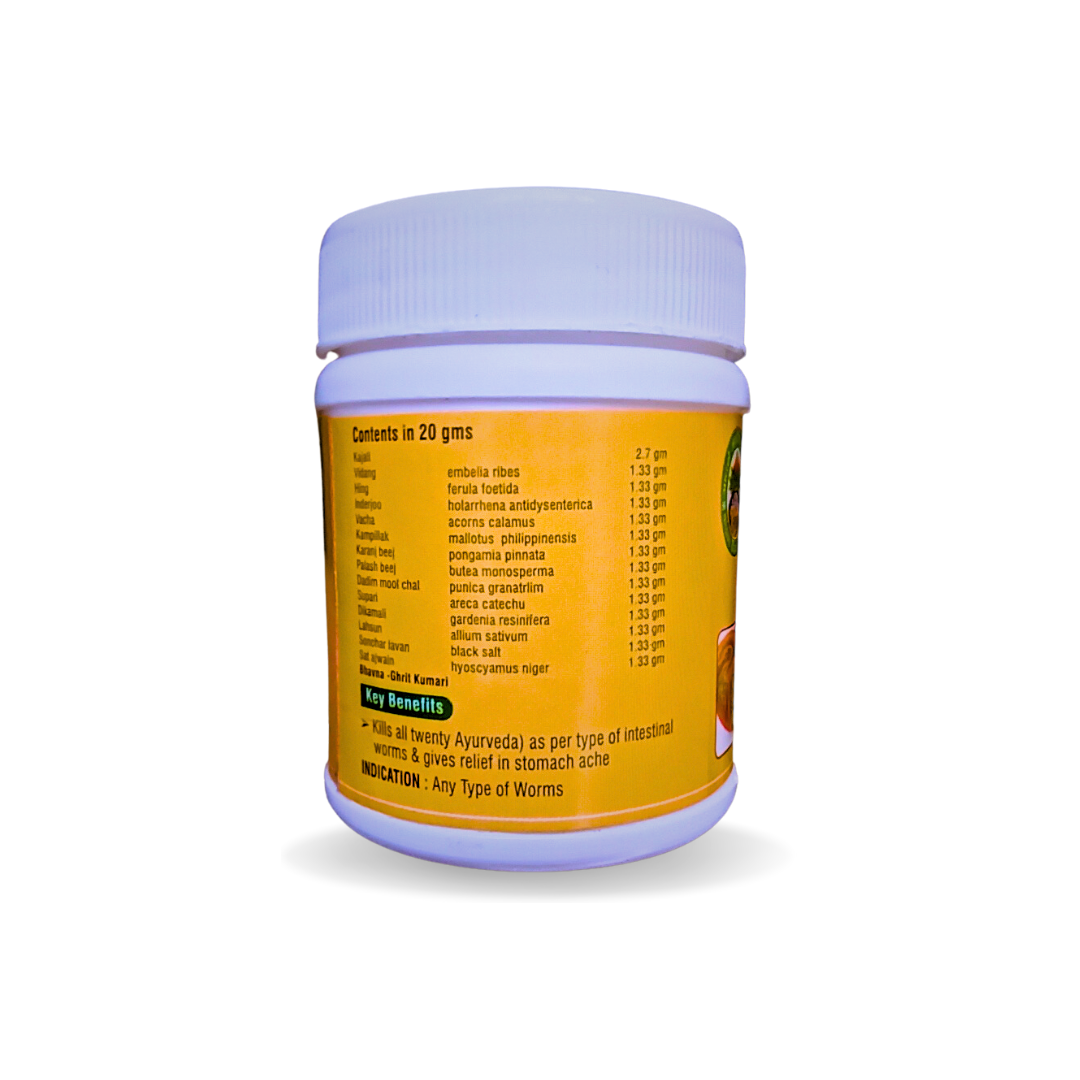
Krimi Kutar Ras is an Ayurvedic medicine used for the treatment of intestinal worms and parasitic infections. It is made from a combination of various herbs and minerals, including Vatsanabha (Aconitum ferox), Pippali (Piper longum), Shuddha Gandhak (Purified Sulphur), and Tankana Bhasma (Borax).
However, it is essential to note that the use of Krimi Kutar Ras should be done under the guidance of a qualified Ayurvedic practitioner. Overdose or incorrect usage can cause adverse effects like stomach upset, vomiting, and diarrhea. It is also not recommended for pregnant and lactating women and child.
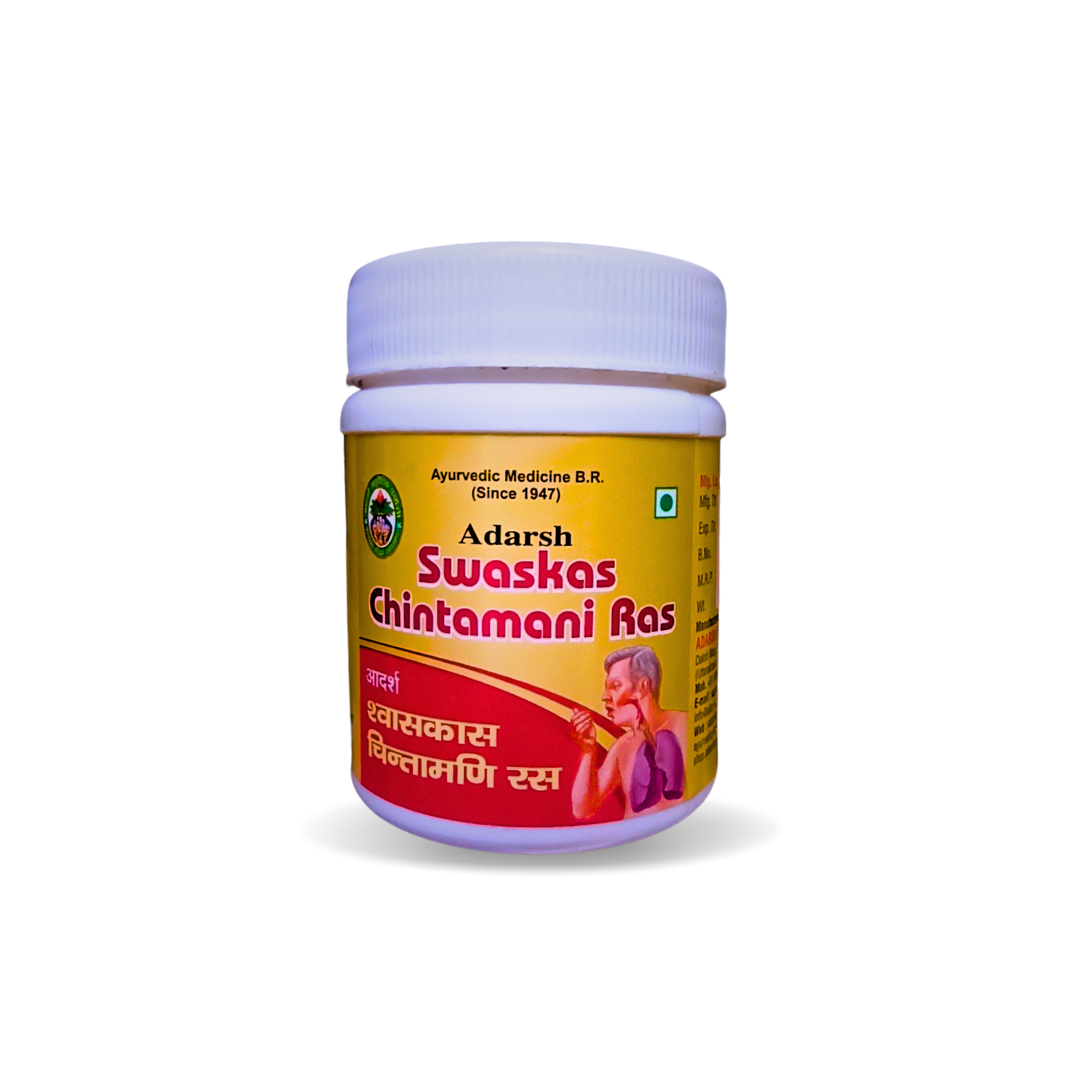
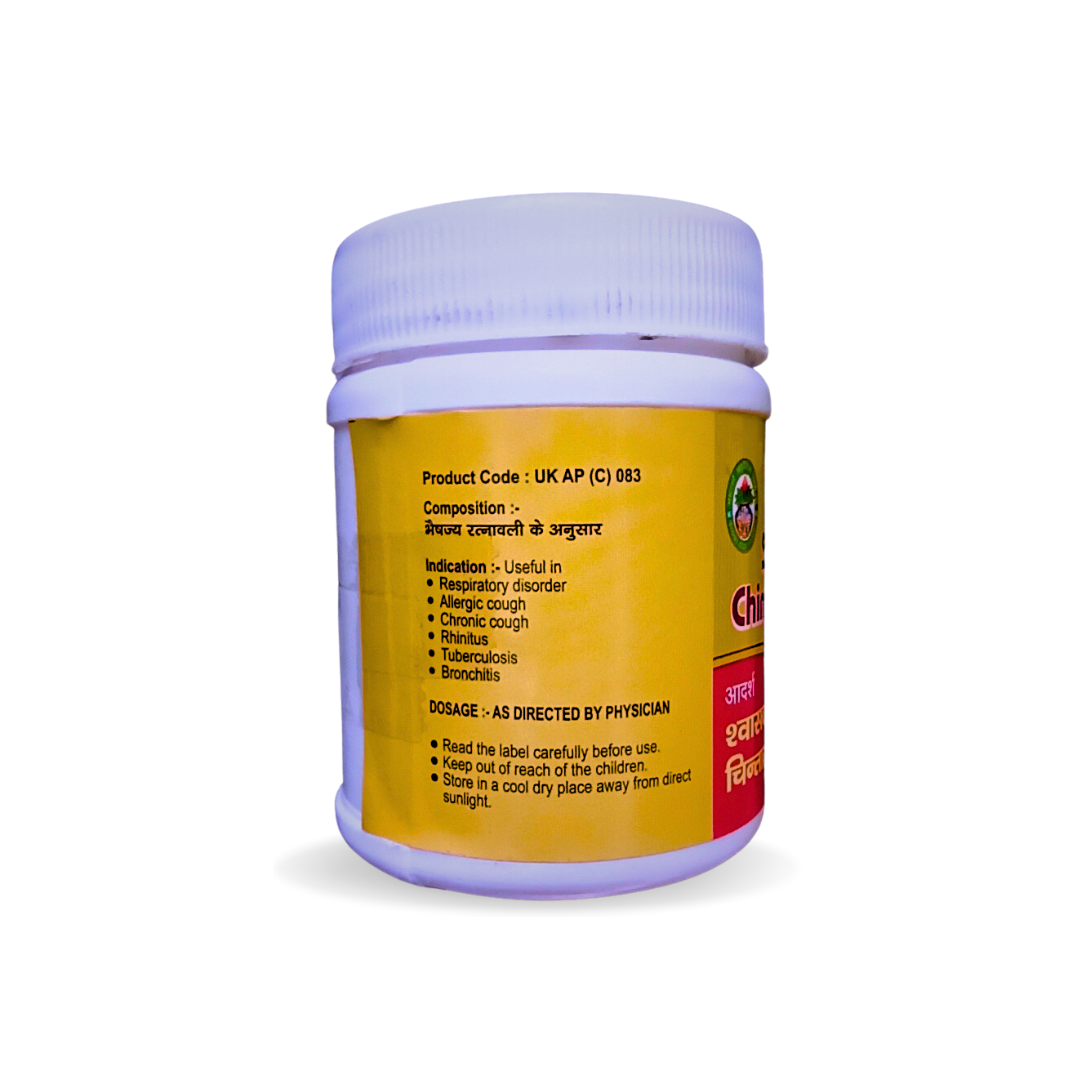
Swas Chintamani Ras (also spelled as Swas Kas Chintamani Ras) is a traditional Ayurvedic medicine that is used to treat respiratory disorders, such as asthma, bronchitis, and cough. It is typically made from a combination of minerals such as purified mercury, sulfur, and mica, along with herbs like vasa, yashtimadhu, and pippali.
However, it’s important to note that the use of Ayurvedic medicines should be done under the guidance of a qualified Ayurvedic practitioner, as they can be potentially harmful if not used properly. Additionally, the safety and efficacy of these medicines have not been evaluated by the FDA, so caution should be exercised when using them.
Swas Chintamani Ras (also spelled as Swas Kas Chintamani Ras) is a traditional Ayurvedic medicine that is used to treat respiratory disorders, such as asthma, bronchitis, and cough. It is typically made from a combination of minerals such as purified mercury, sulfur, and mica, along with herbs like vasa, yashtimadhu, and pippali.
However, it’s important to note that the use of Ayurvedic medicines should be done under the guidance of a qualified Ayurvedic practitioner, as they can be potentially harmful if not used properly. Additionally, the safety and efficacy of these medicines have not been evaluated by the FDA, so caution should be exercised when using them.
Reviews
There are no reviews yet.