
Amalaki Rasayana
₹120
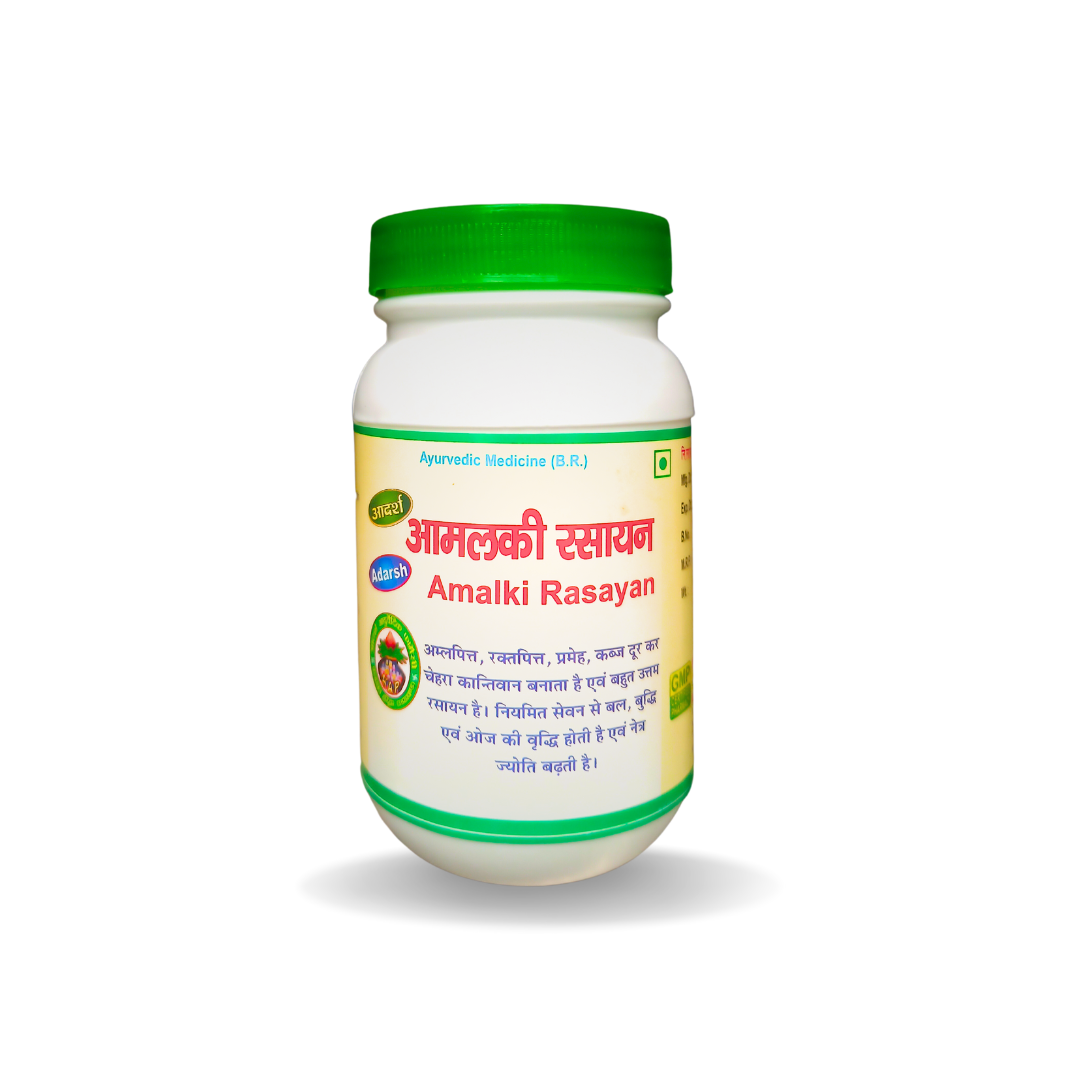
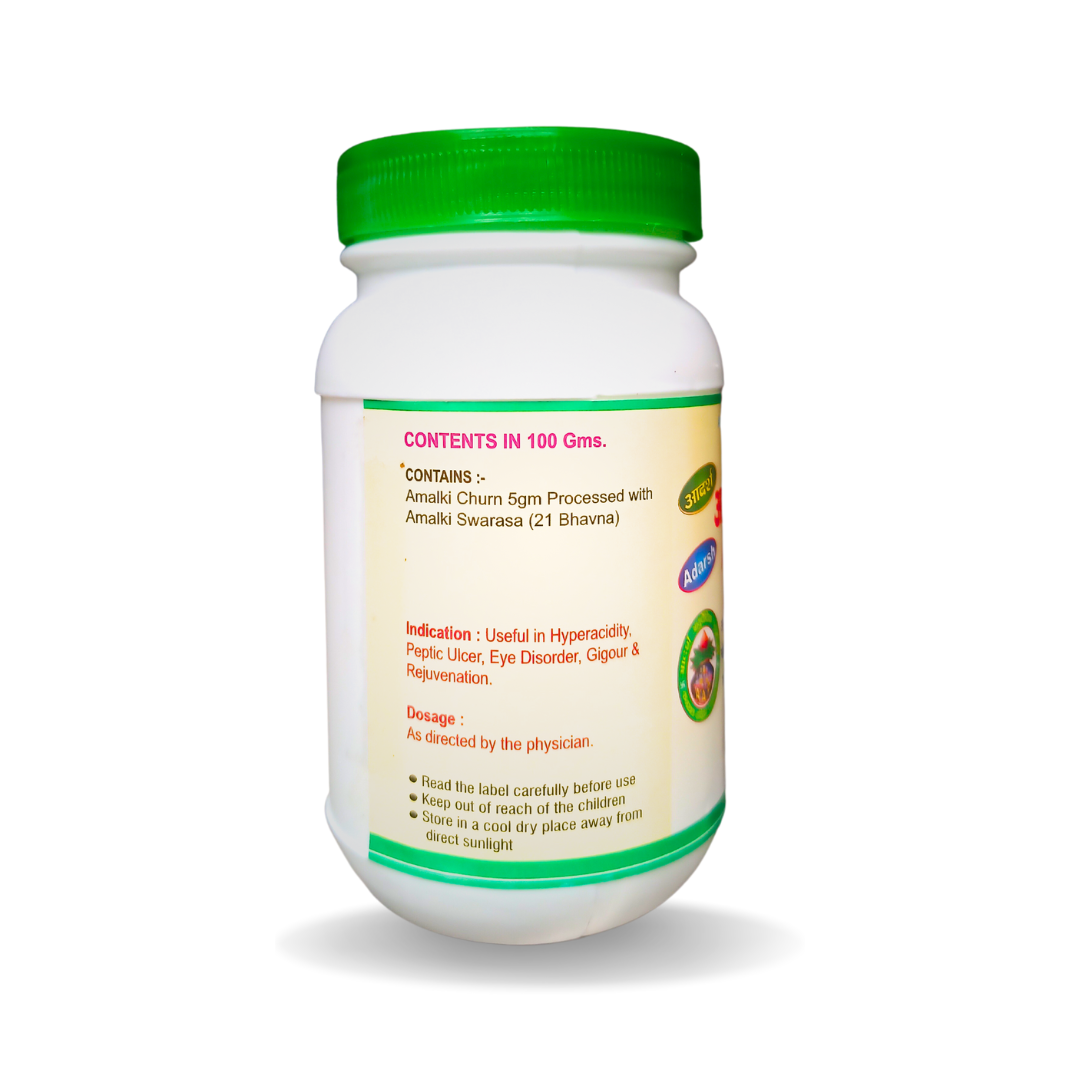
Amalaki Rasayana is an Ayurvedic herbal formula made from the fruit of the Amalaki tree (Emblica Officinalis), also known as Indian Gooseberry. It is believed to have a rejuvenating effect on the body and is commonly used to promote overall health and well-being.
According to Ayurveda, Amalaki Rasayana is classified as a “Rasayana,” which means it is a rejuvenative tonic for the body and mind. It is also believed to have a powerful antioxidant effect, which helps to protect the body from free radical damage.
Amalaki Rasayana is an Ayurvedic herbal formula made from the fruit of the Amalaki tree (Emblica Officinalis), also known as Indian Gooseberry. It is believed to have a rejuvenating effect on the body and is commonly used to promote overall health and well-being.
According to Ayurveda, Amalaki Rasayana is classified as a “Rasayana,” which means it is a rejuvenative tonic for the body and mind. It is also believed to have a powerful antioxidant effect, which helps to protect the body from free radical damage.
Amalaki Rasayana is commonly used to support the immune system, improve digestion, promote healthy skin and hair, and support healthy liver function. It is also used to help manage stress and anxiety, as well as to promote overall vitality and longevity.
Amalaki Rasayana can be taken in a variety of forms, including as a powder, capsule, or tablet. It is important to consult with a qualified healthcare practitioner before taking any new supplement or herbal formula.
Amalaki Rasayana is commonly used to support the immune system, improve digestion, promote healthy skin and hair, and support healthy liver function. It is also used to help manage stress and anxiety, as well as to promote overall vitality and longevity.
buy 10 get one free.
Selflife: 3 years
| Weight | 250 g |
|---|---|
| Dimensions | 14 × 12.5 × 8.5 cm |
| Weight | 100gm |
Related Products
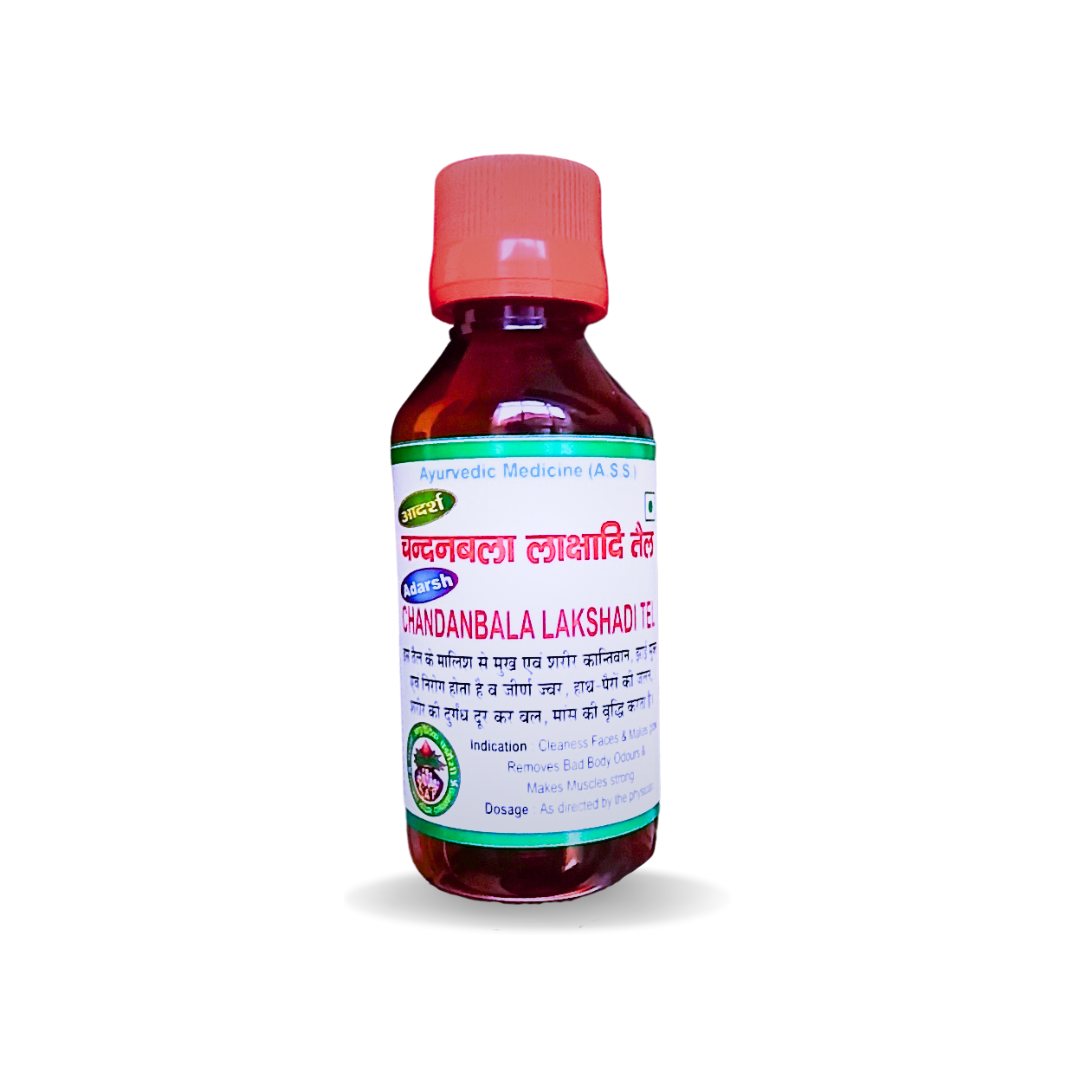
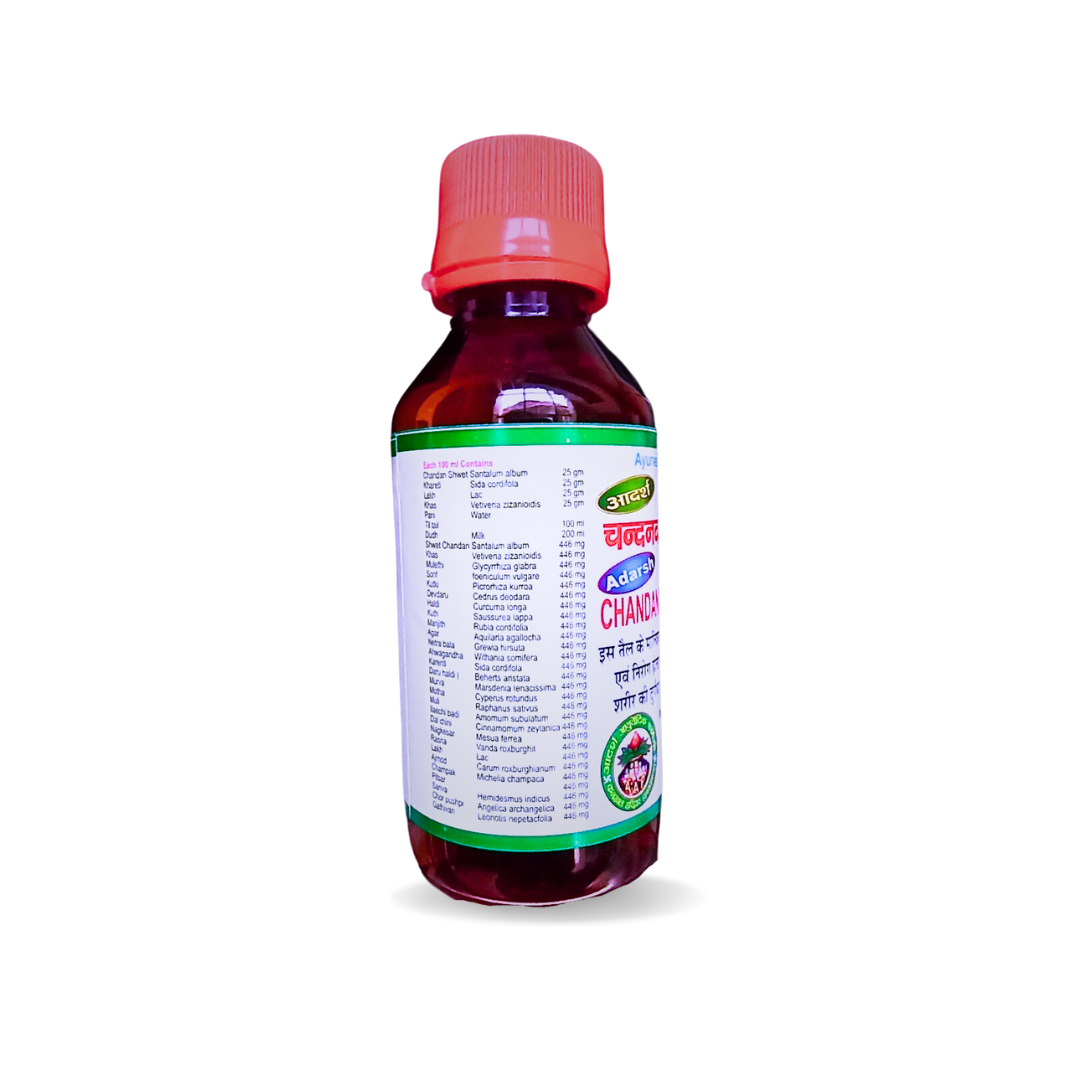
Chandanbala Lakshadi Tail is typically applied topically to the affected joint areas and gently massaged into the skin. The frequency and duration of use can vary based on individual needs and the guidance of a qualified healthcare professional. It is important to note that like all herbal remedies, Chandanbala Lakshadi Tail may cause allergic reactions or other side effects in some individuals, and should be used with caution.
Chandanbala Lakshadi Tail is an Ayurvedic herbal oil made from a blend of several herbs, including Chandan (Sandalwood), Bala (Sida cordifolia), and Laksha (Laccifer lacca). The oil is commonly used in Ayurvedic medicine to help relieve joint pain and inflammation.
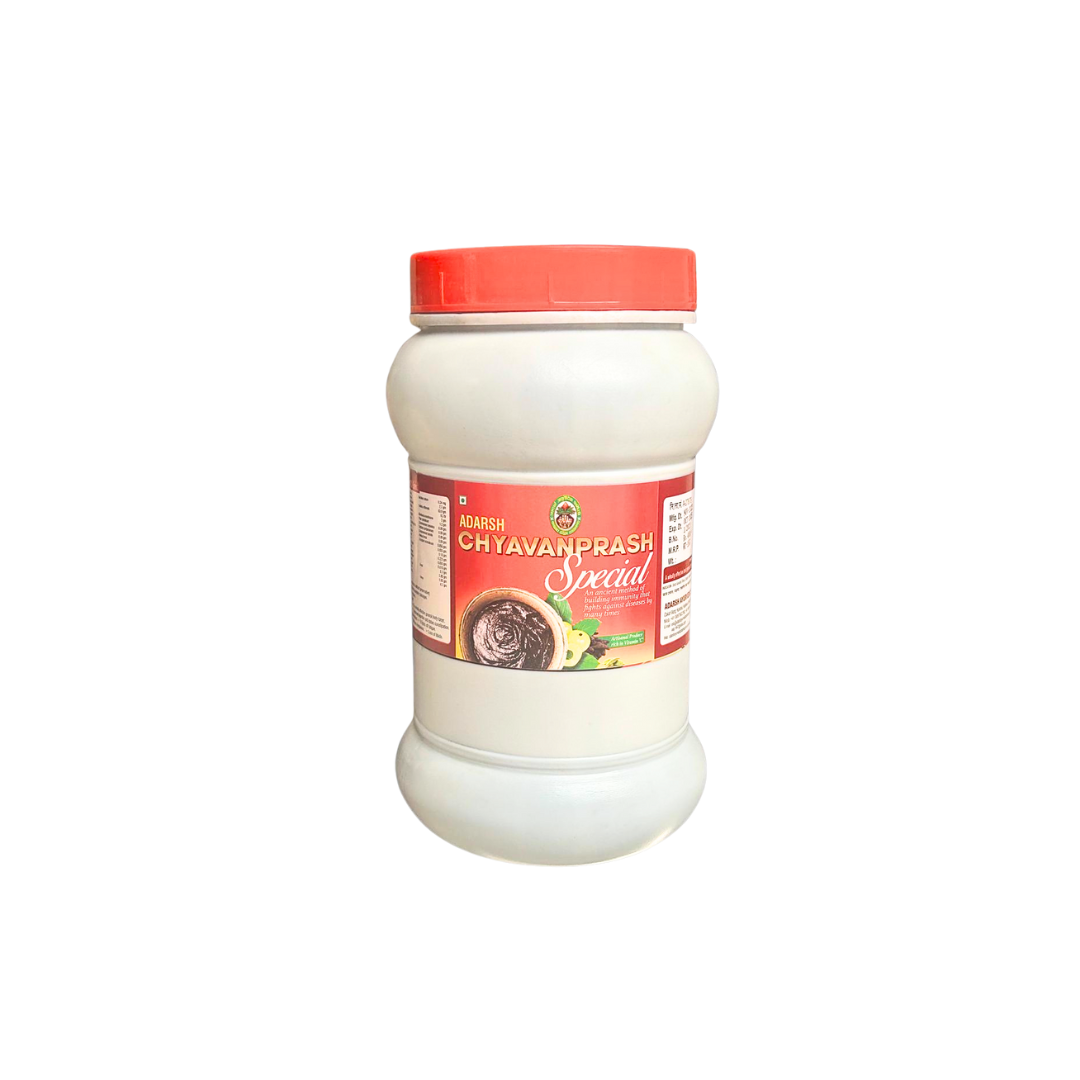
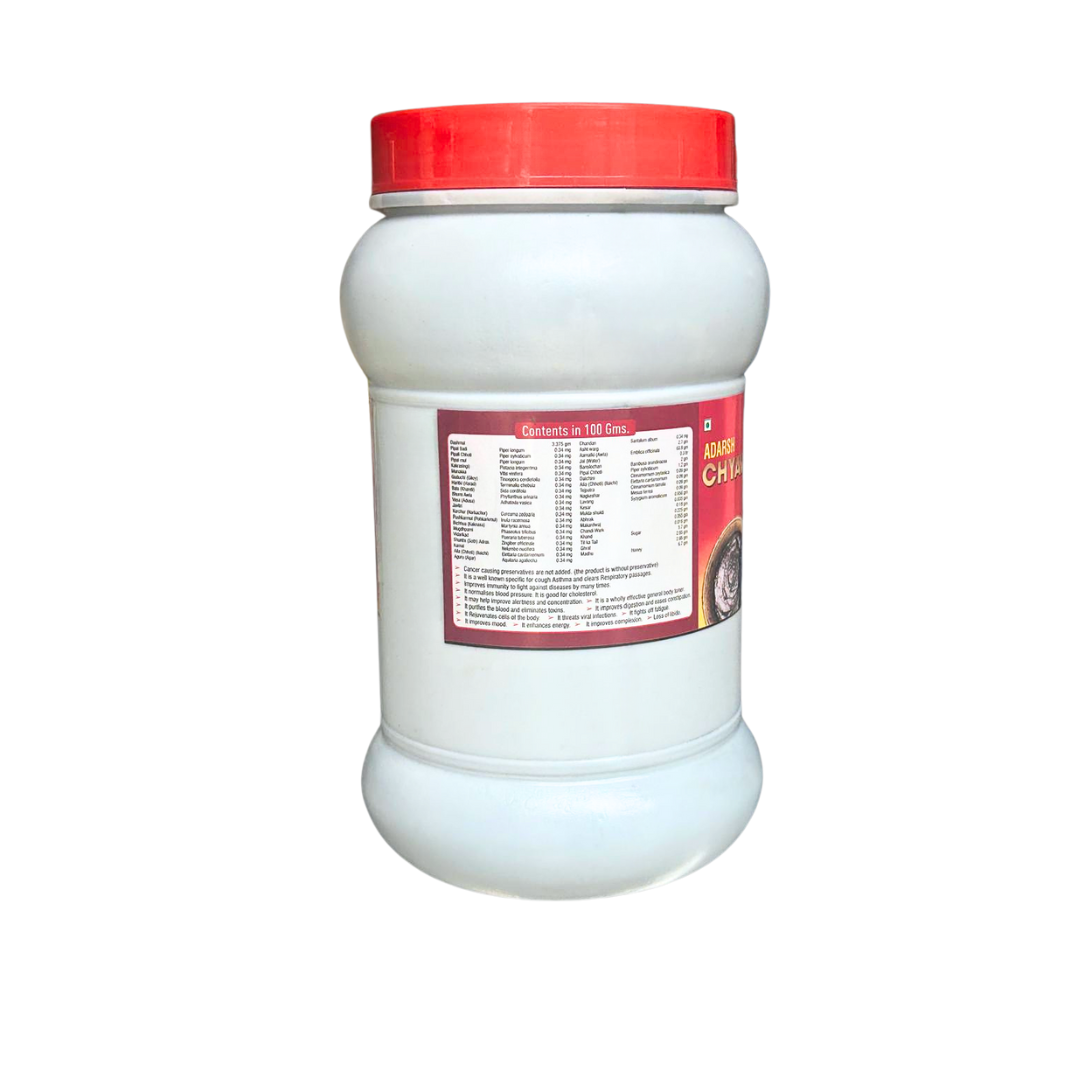
Chyawanprash (also spelled as “Chyavanprash” or “Chavanprash”) is a traditional Ayurvedic herbal formulation that has been used for thousands of years in India. It is a jam-like paste made from a variety of herbs, fruits, and spices that are mixed with honey, ghee, and sugar.
Some of the key ingredients in Chyawanprash include amla (Indian gooseberry), ashwagandha, guduchi, licorice, and shatavari. These ingredients are believed to have a range of health benefits, such as improving cognitive function, reducing inflammation, and promoting healthy aging.
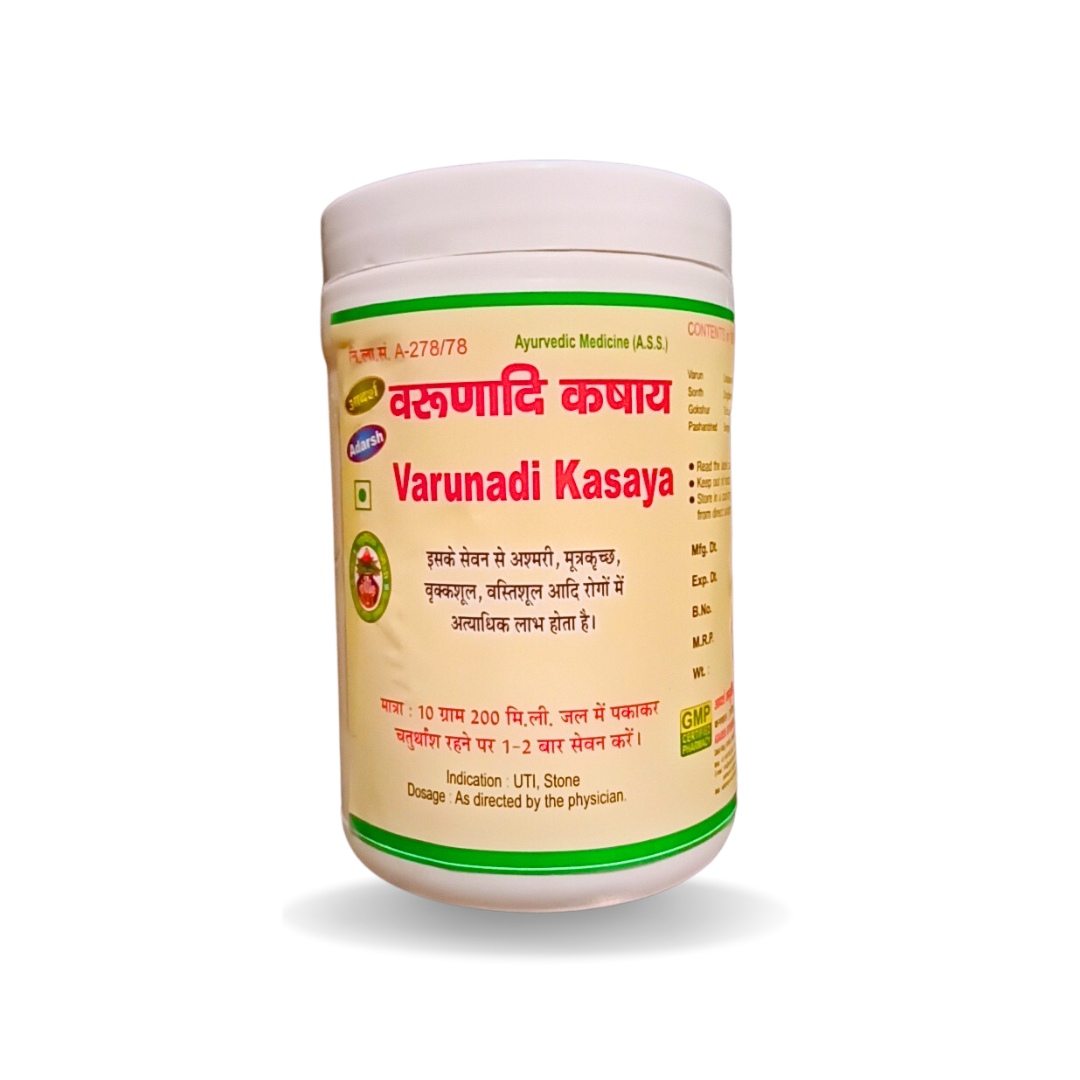
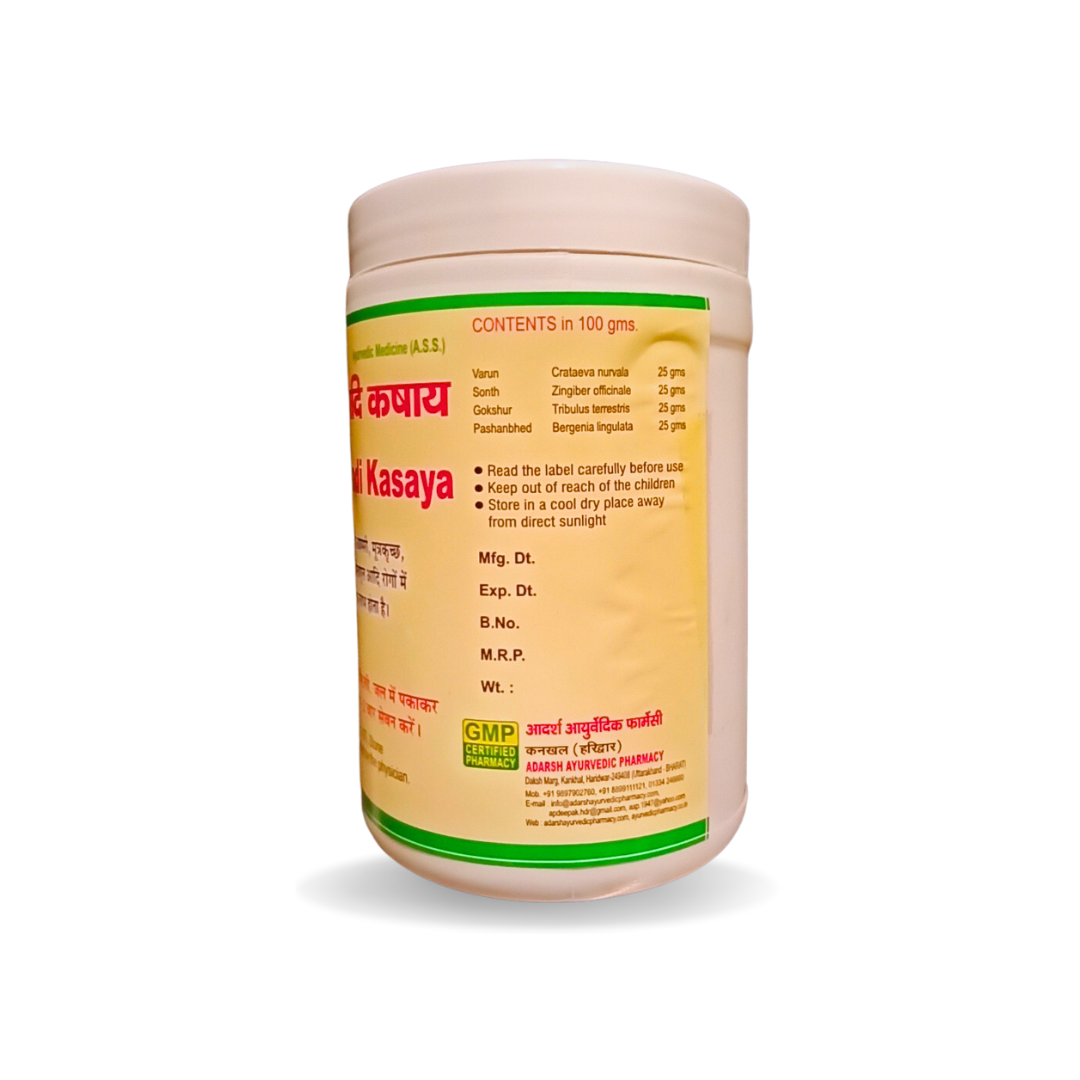
Varunadi Kwath is typically prepared by boiling the herbal mixture in water and then straining the decoction before consuming. It is important to note that like all herbal remedies, Varunadi Kwath should be taken under the guidance of a qualified healthcare professional, as it may interact with certain medications or have potential side effects in some individuals.
Varunadi Kwath is an Ayurvedic herbal decoction made from a blend of several herbs, including Varuna (Crataeva nurvala), Gokshura (Tribulus terrestris), and Punarnava (Boerhavia diffusa).
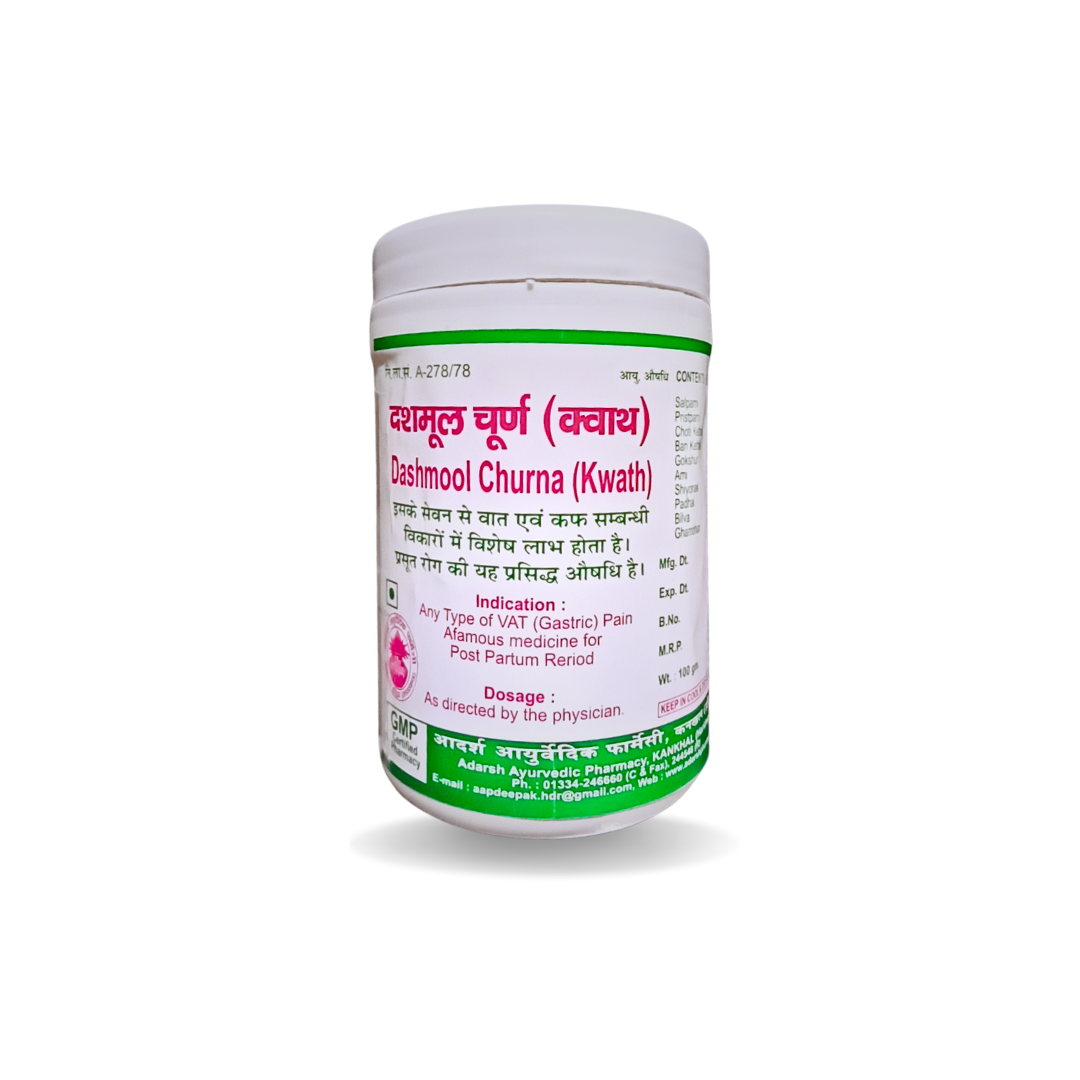
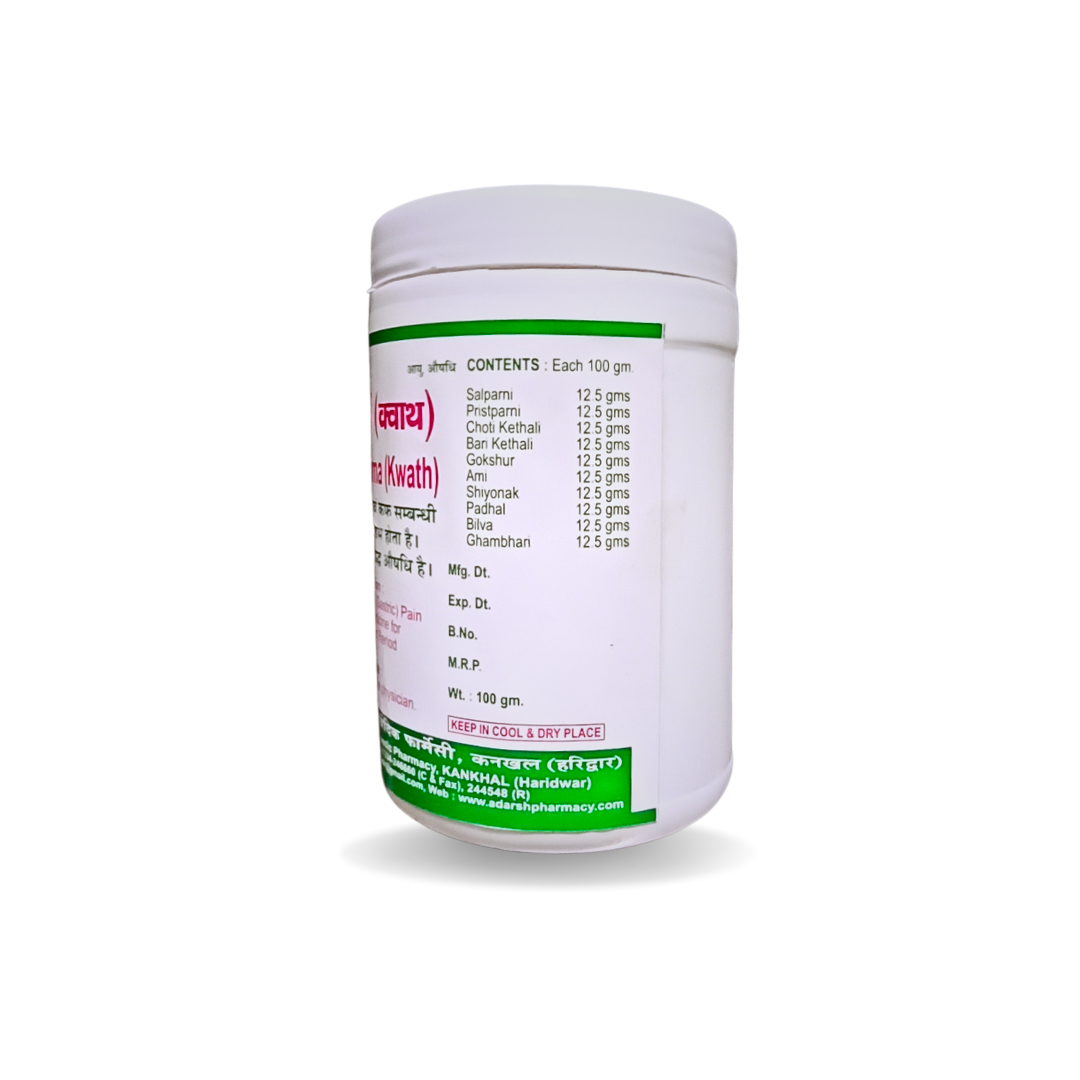
Dashmool Kwath is an Ayurvedic herbal decoction made from a blend of ten herbs, which include Bilva (Aegle marmelos), Agnimantha (Premna integrifolia), and Shyonaka (Oroxylum indicum). The name Dashmool means ‘ten roots’ or ‘ten herbs,’ and the combination of these herbs is believed to have a synergistic effect and offer a wide range of potential health benefits.
According to Ayurvedic principles, Dashmool Kwath is believed to help balance the three doshas – Vata, Pitta, and Kapha, and promote overall health and well-being. It is commonly used to support the respiratory system, improve digestion, and relieve stress and anxiety.
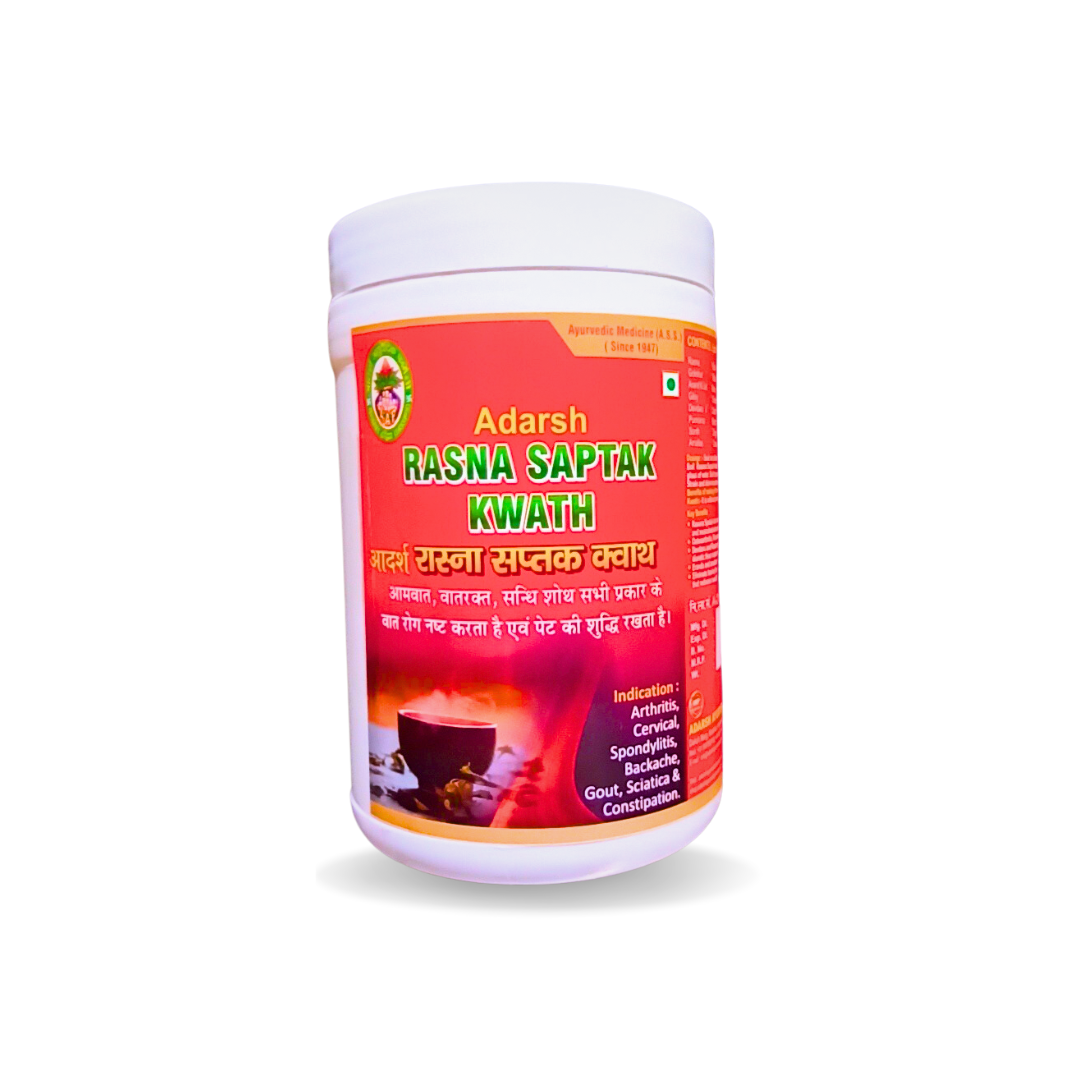
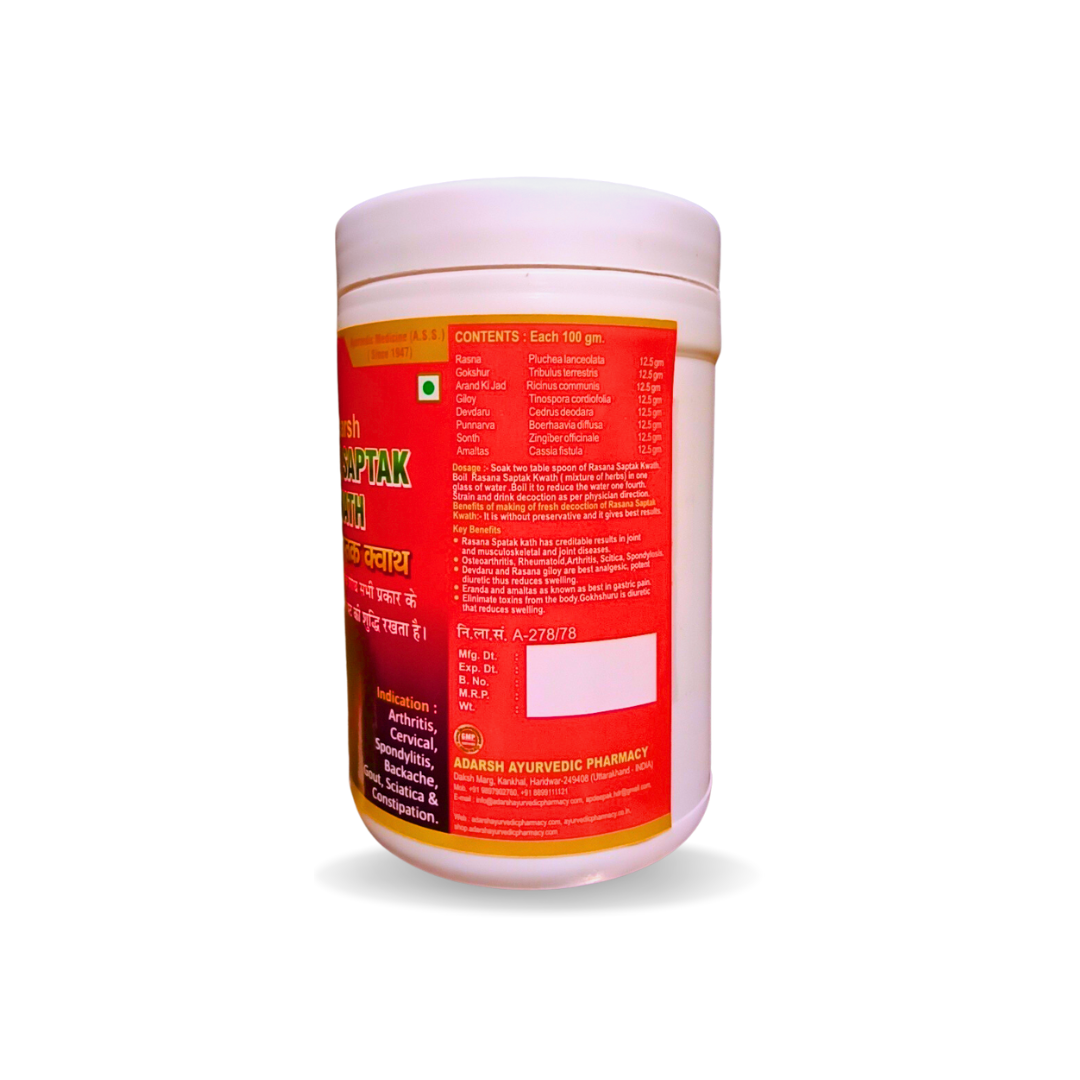
Rasanasaptak Kwath is an Ayurvedic herbal decoction made from a combination of seven herbs, including Ashwagandha (Withania somnifera), Shatavari (Asparagus racemosus), and Guduchi (Tinospora cordifolia).
According to Ayurvedic principles, Rasanasaptak Kwath is believed to help support overall health and well-being by promoting healthy digestion, improving immunity, and reducing inflammation in the body. It is commonly used to help manage symptoms associated with arthritis, joint pain, and other inflammatory conditions.
Rasanasaptak Kwath is typically prepared by boiling the herbal mixture in water and then straining the decoction before consuming. It is important to note that like all herbal remedies, Rasanasaptak Kwath should be taken under the guidance of a qualified healthcare professional, as it may interact with certain medications or have potential side effects in some individuals.
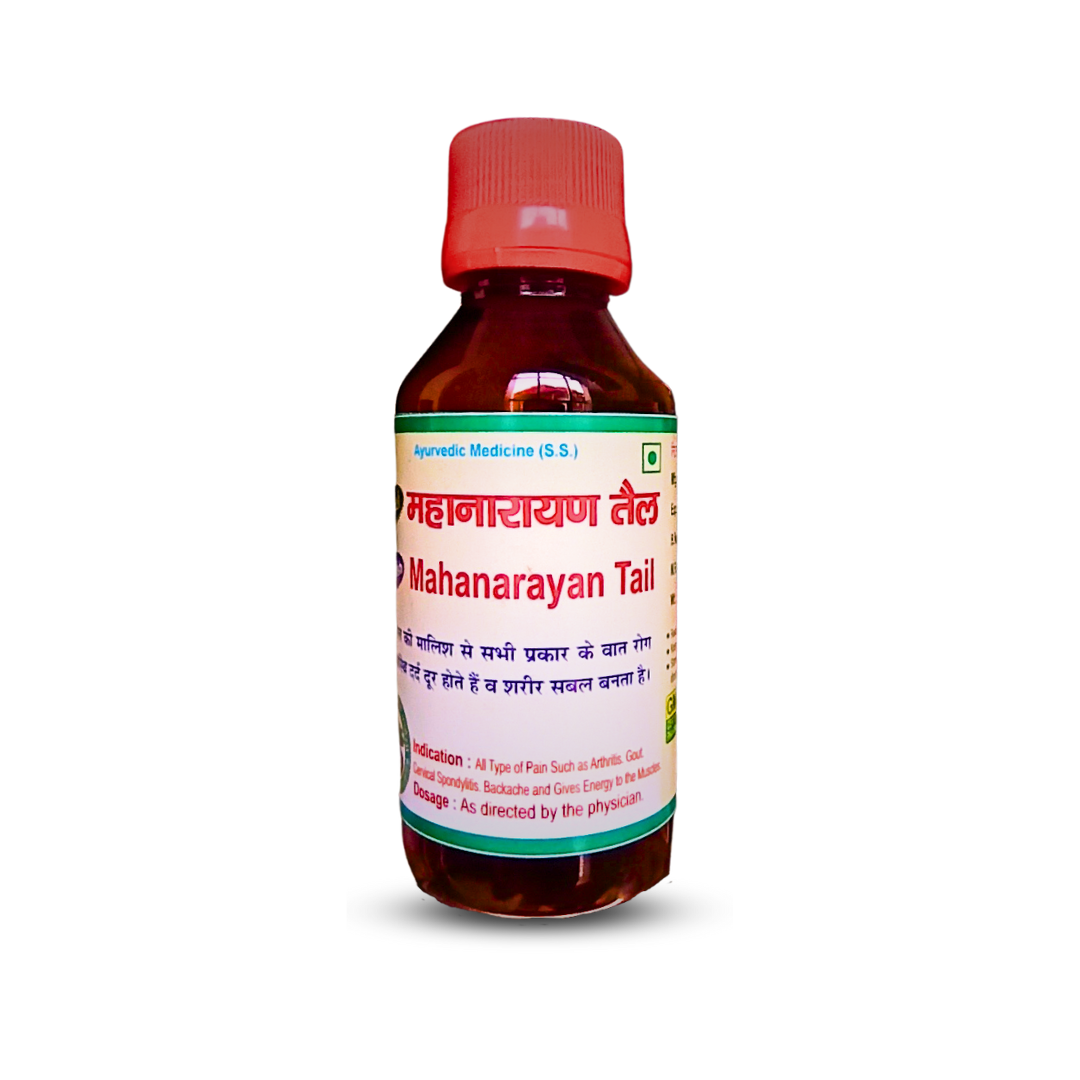
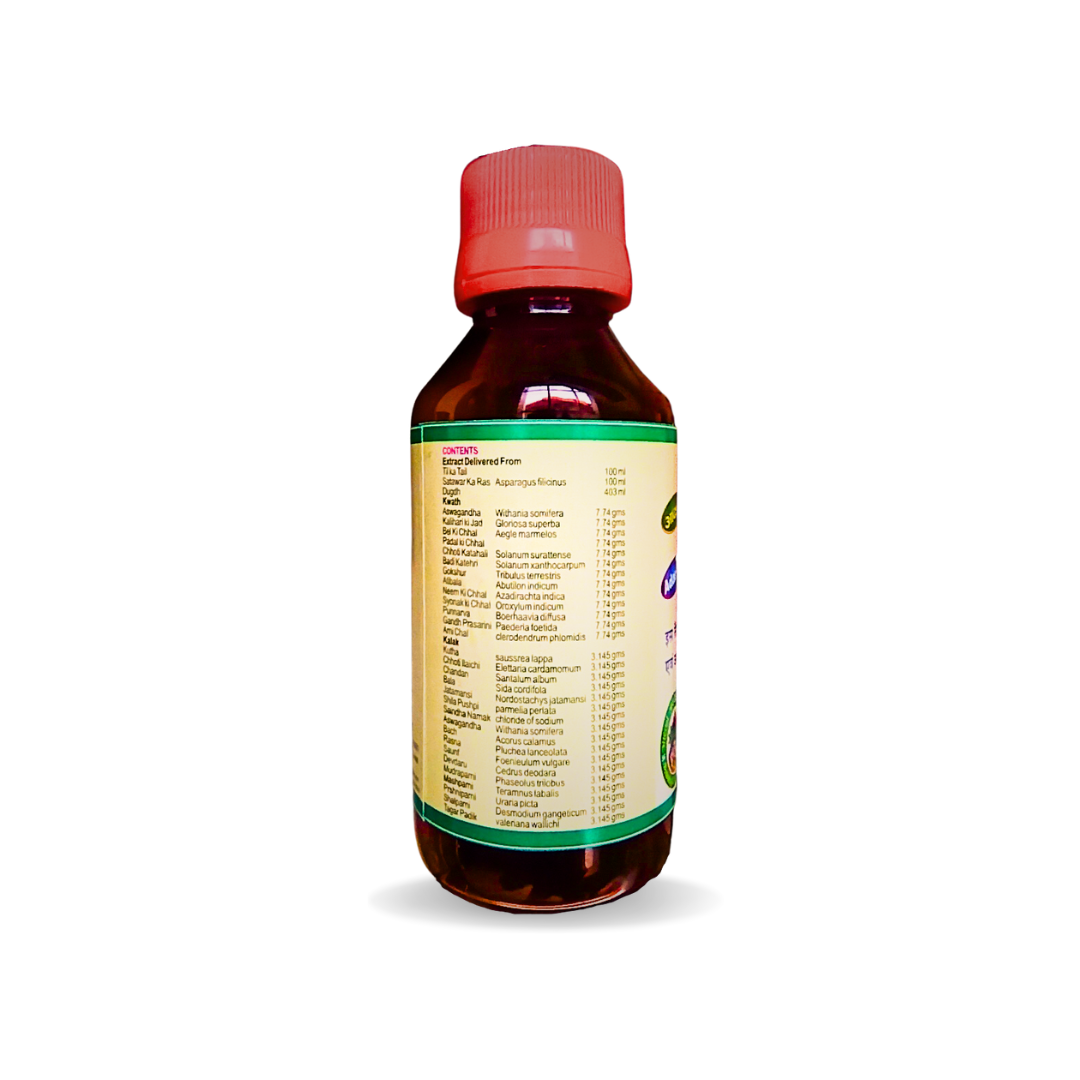
Maha Narayan Tail is typically applied topically to the affected area and gently massaged into the skin. The frequency and duration of use can vary based on individual needs and the guidance of a qualified healthcare professional. It is important to note that like all herbal remedies, Maha Narayan Tail may cause allergic reactions or other side effects in some individuals, and should be used with caution.
Maha Narayan Tail is an Ayurvedic herbal oil that is made from a blend of several herbs, including Bala (Sida cordifolia), Ashwagandha (Withania somnifera), and Manjistha (Rubia cordifolia). This oil is commonly used in Ayurvedic medicine for the treatment of joint pain, muscle pain, and stiffness.
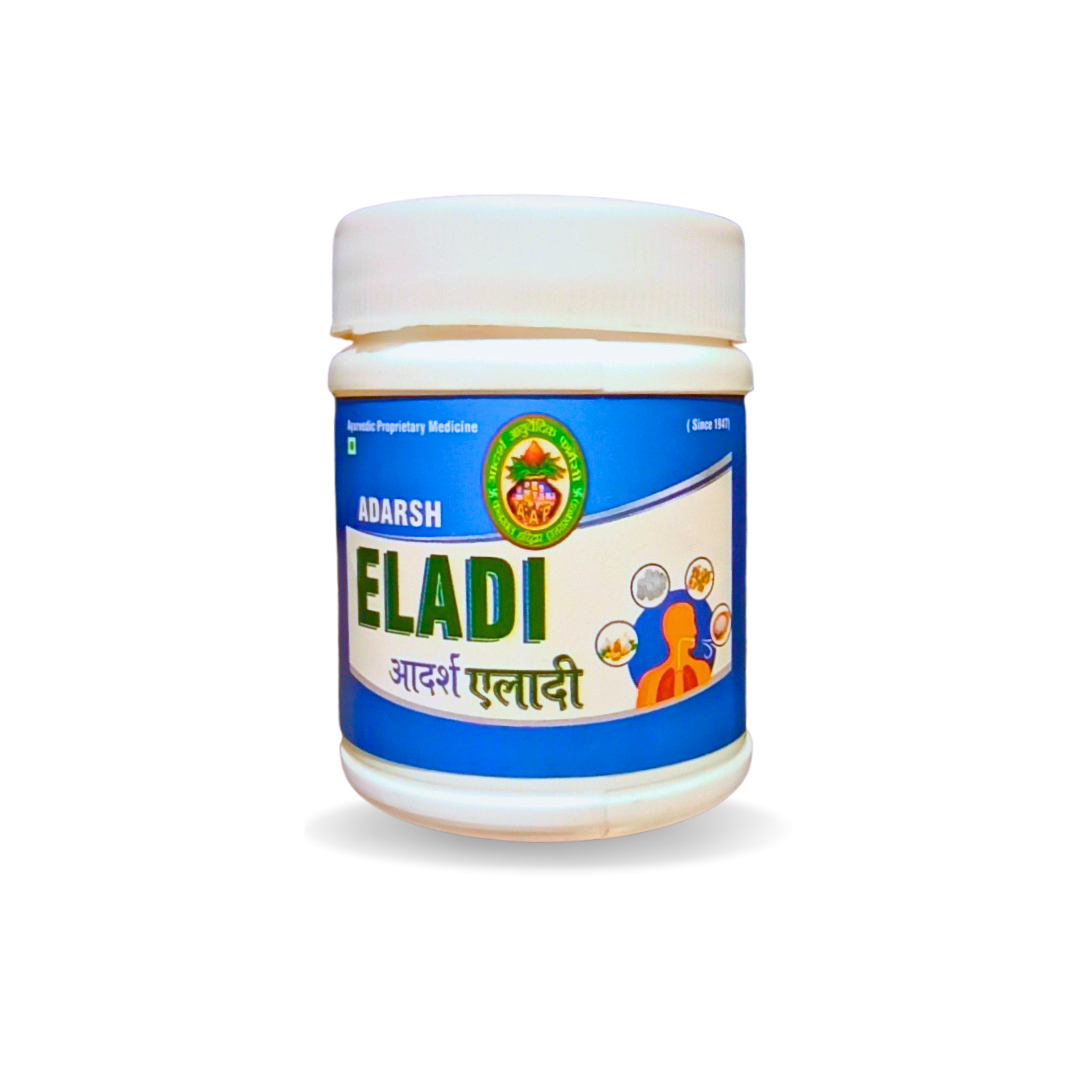
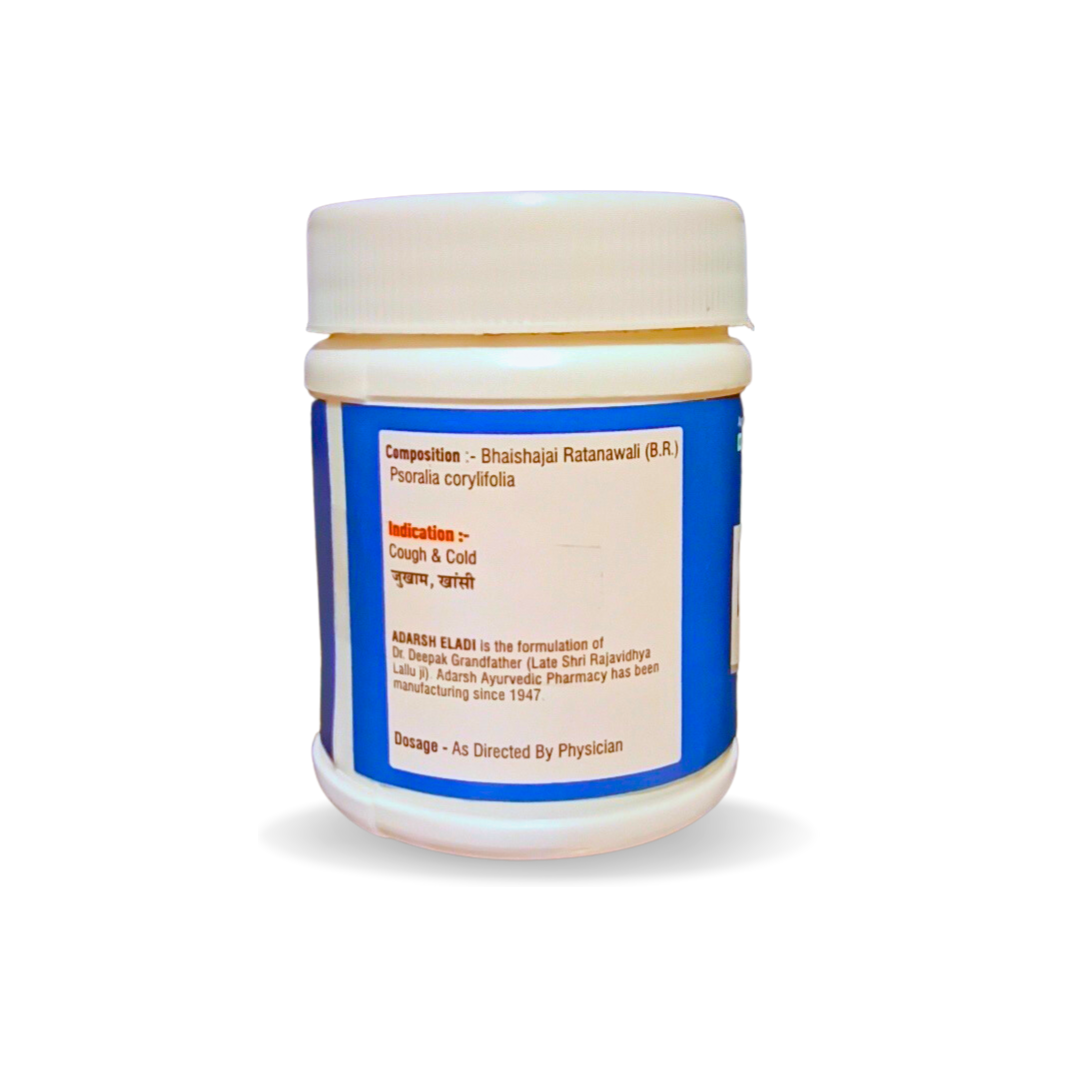
Eladi Vati is typically taken orally, and the recommended dosage and duration of use may vary depending on the individual’s condition and overall health. It is important to consult with a qualified Ayurvedic practitioner before using this or any other herbal remedy.
Although Eladi Vati is generally considered safe when taken as directed, some individuals may experience side effects such as stomach upset, allergic reactions, or interactions with other medications. It is important to speak with a healthcare provider before using this or any other herbal remedy, especially if you are pregnant, breastfeeding, or have any underlying health conditions.
Out of stock
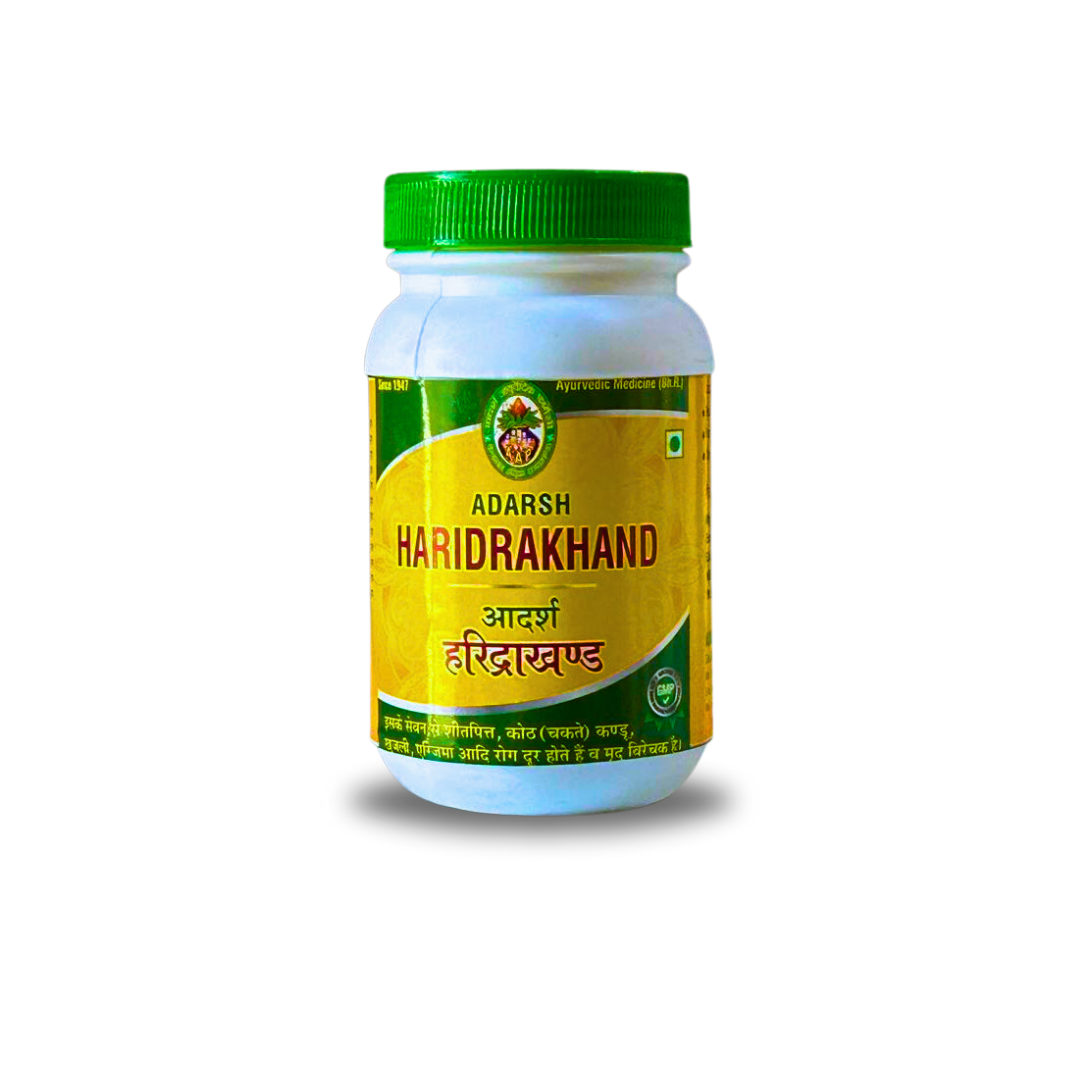
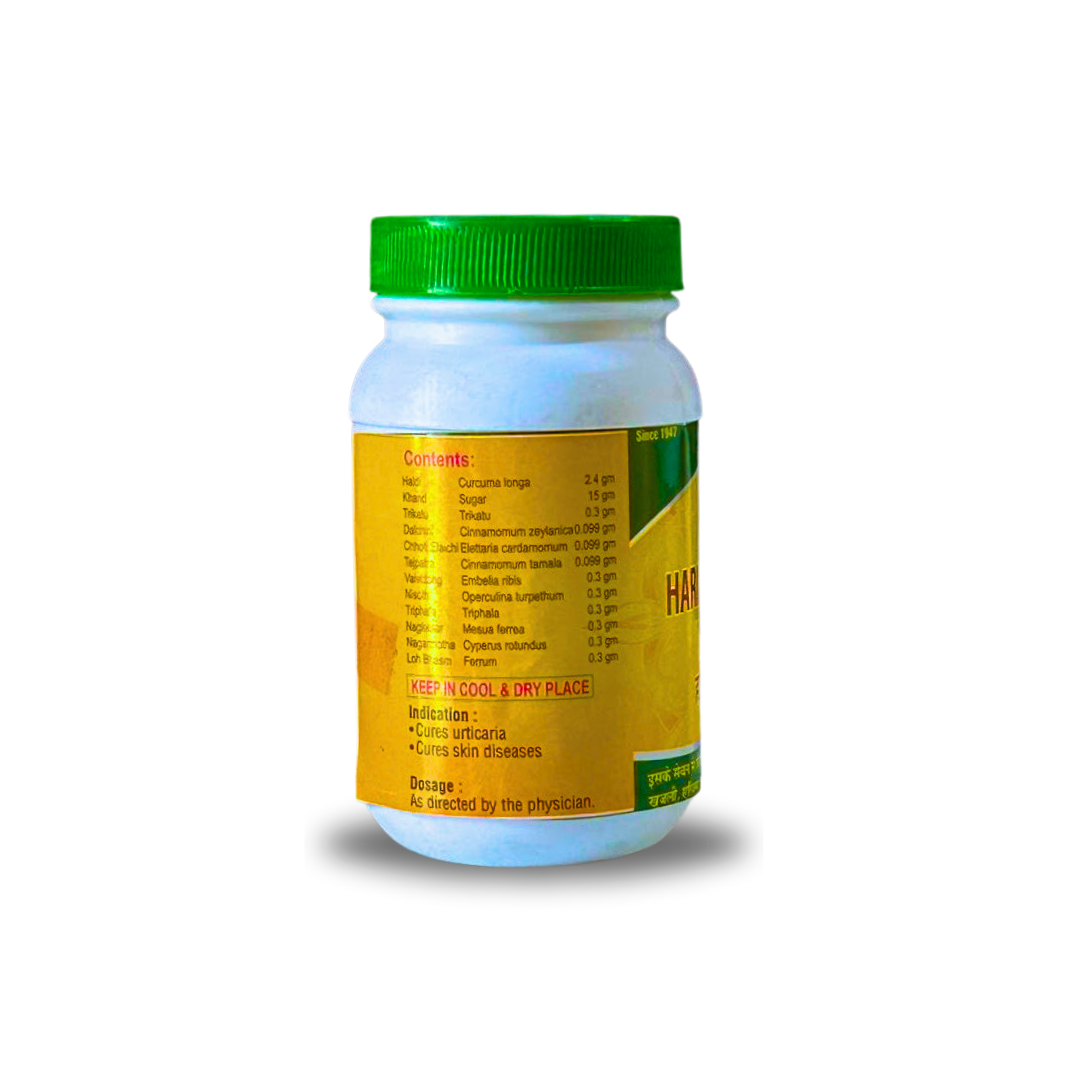
Haridrakhand (also spelled as Haridra Khanda) is an Ayurvedic herbal formulation that is commonly used in traditional Indian medicine. It is a powdered mixture of various herbs and spices, with turmeric (haridra in Sanskrit) being the primary ingredient.
Some of the key ingredients in Haridrakhand include turmeric, ginger, black pepper, cardamom, cinnamon, and honey. These ingredients are believed to have a range of health benefits, such as reducing inflammation, improving digestion, boosting the immune system, and promoting healthy skin.
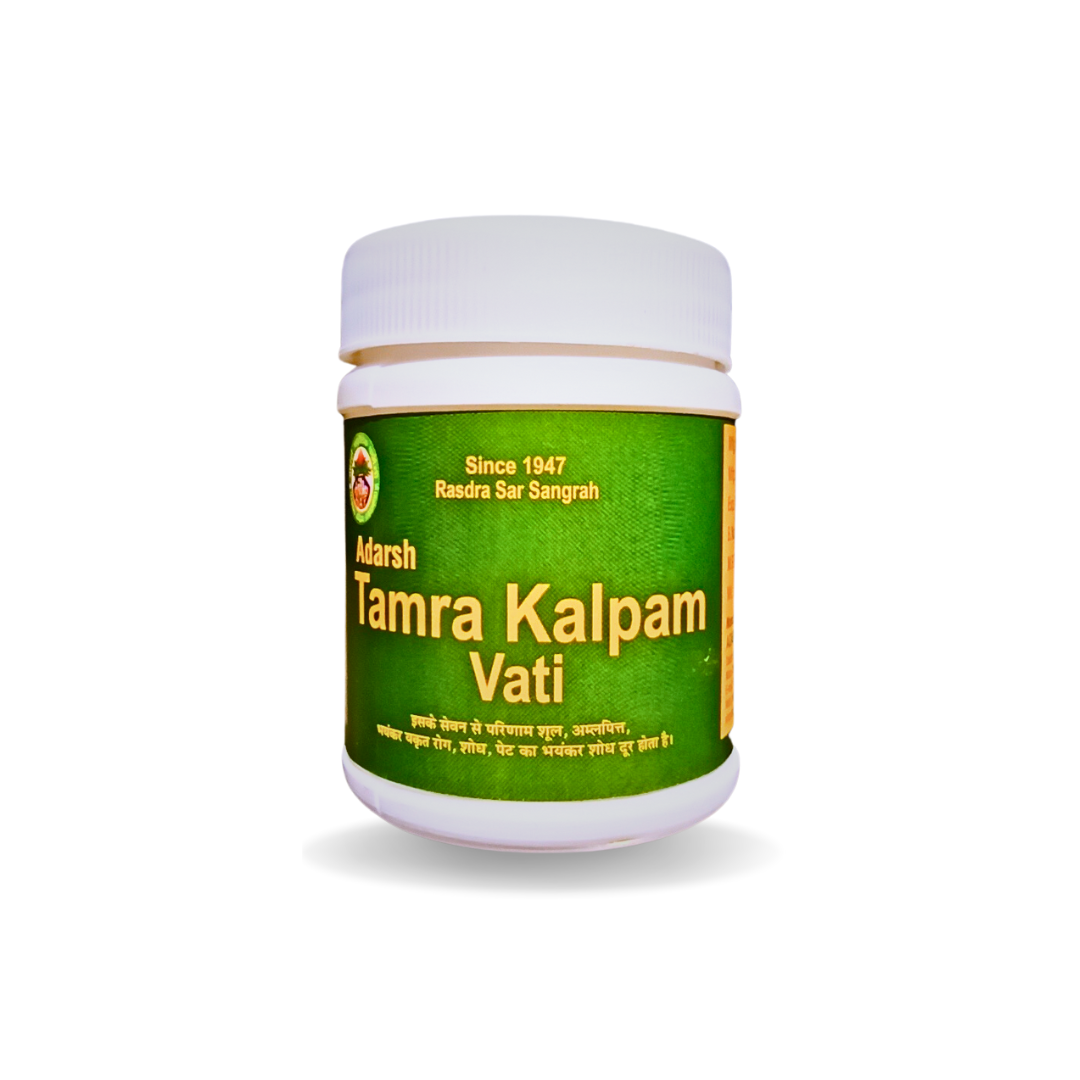
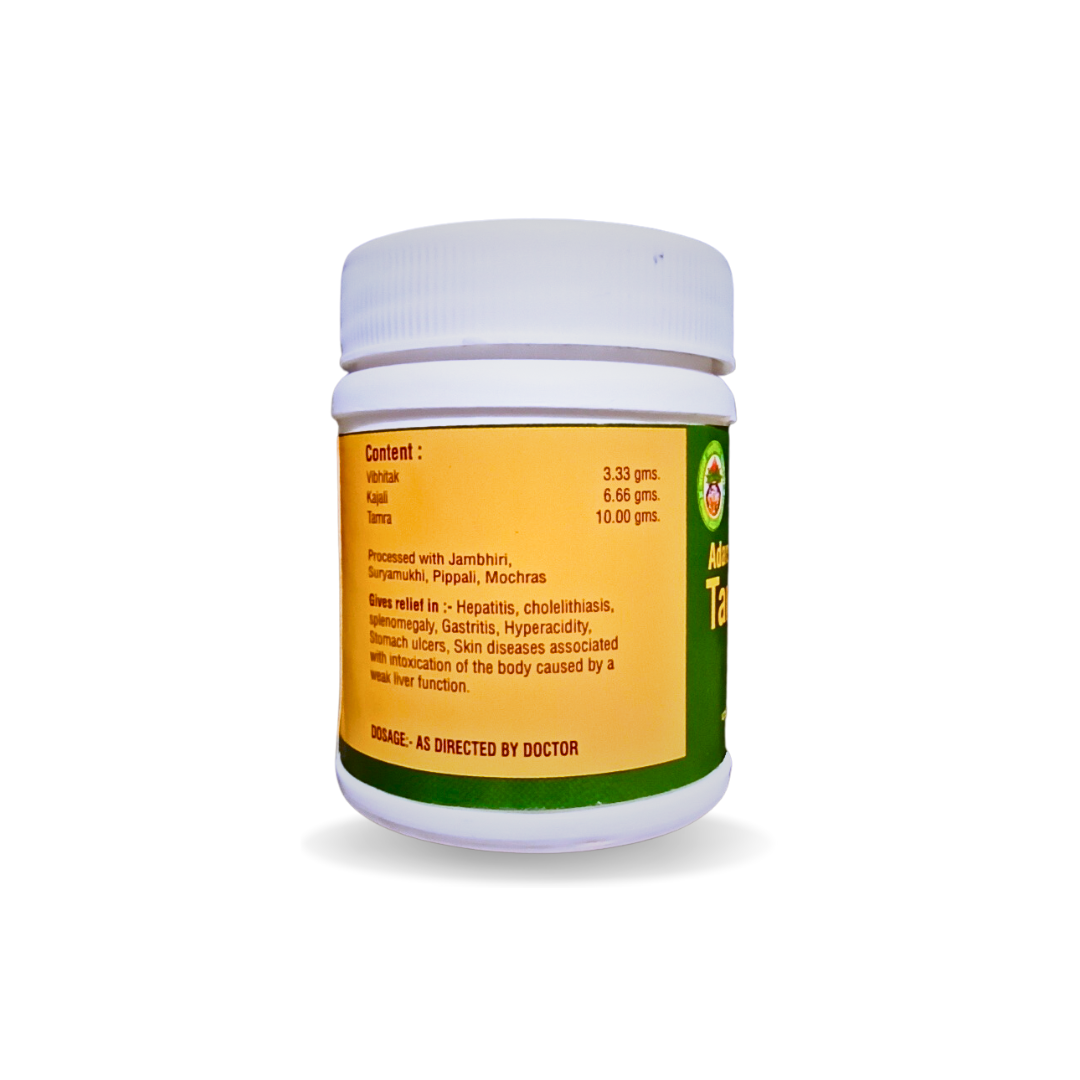
The components of Adarsh Tamrakalpam is enriched to cure all types of hepatitis.
Adarsh Tamrakalpam has curative results in liver diseases.
Adarsh Tamrakalpam cures pitta dosha stomach aches and ulcer
Dr. Deepak suggests Adarsh Tamrakalpam is many folds effective if consumed with Adarsh Mednasak Godan vati. The combination also detoxifies the liver and cures Splenomegaly and hepatitis.
Buy 10 get one free.
Selflife: three years.
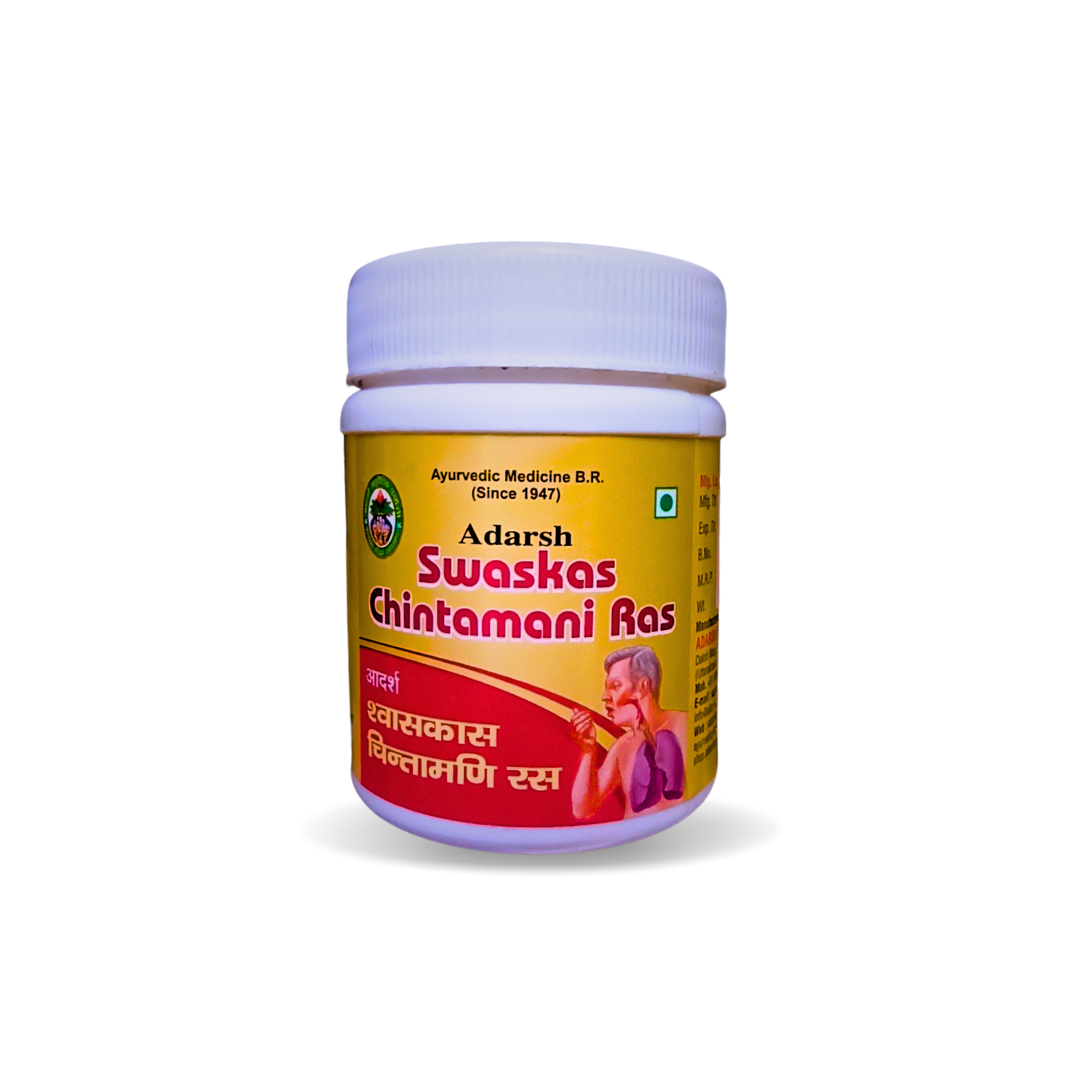
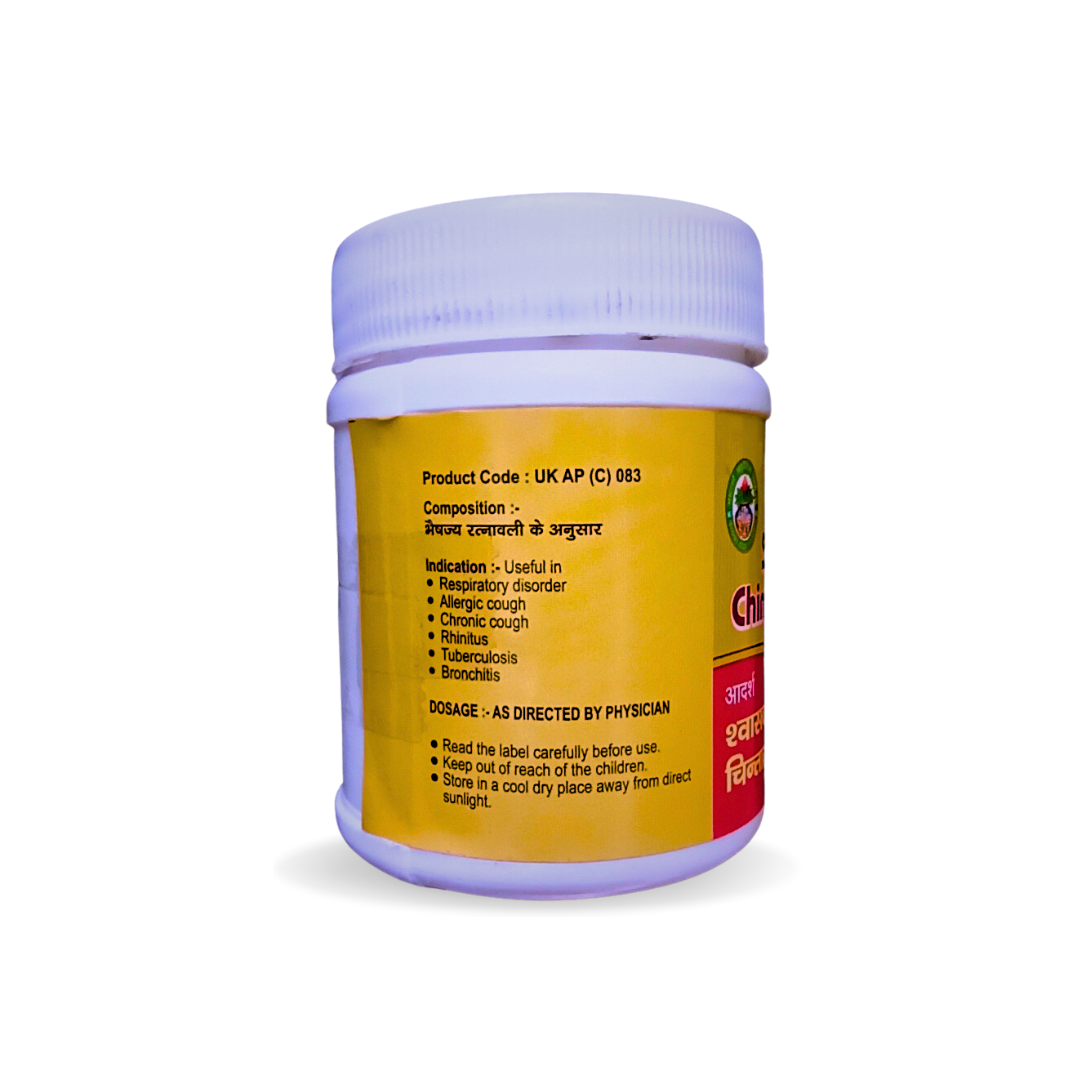
Swas Chintamani Ras (also spelled as Swas Kas Chintamani Ras) is a traditional Ayurvedic medicine that is used to treat respiratory disorders, such as asthma, bronchitis, and cough. It is typically made from a combination of minerals such as purified mercury, sulfur, and mica, along with herbs like vasa, yashtimadhu, and pippali.
However, it’s important to note that the use of Ayurvedic medicines should be done under the guidance of a qualified Ayurvedic practitioner, as they can be potentially harmful if not used properly. Additionally, the safety and efficacy of these medicines have not been evaluated by the FDA, so caution should be exercised when using them.
Swas Chintamani Ras (also spelled as Swas Kas Chintamani Ras) is a traditional Ayurvedic medicine that is used to treat respiratory disorders, such as asthma, bronchitis, and cough. It is typically made from a combination of minerals such as purified mercury, sulfur, and mica, along with herbs like vasa, yashtimadhu, and pippali.
However, it’s important to note that the use of Ayurvedic medicines should be done under the guidance of a qualified Ayurvedic practitioner, as they can be potentially harmful if not used properly. Additionally, the safety and efficacy of these medicines have not been evaluated by the FDA, so caution should be exercised when using them.
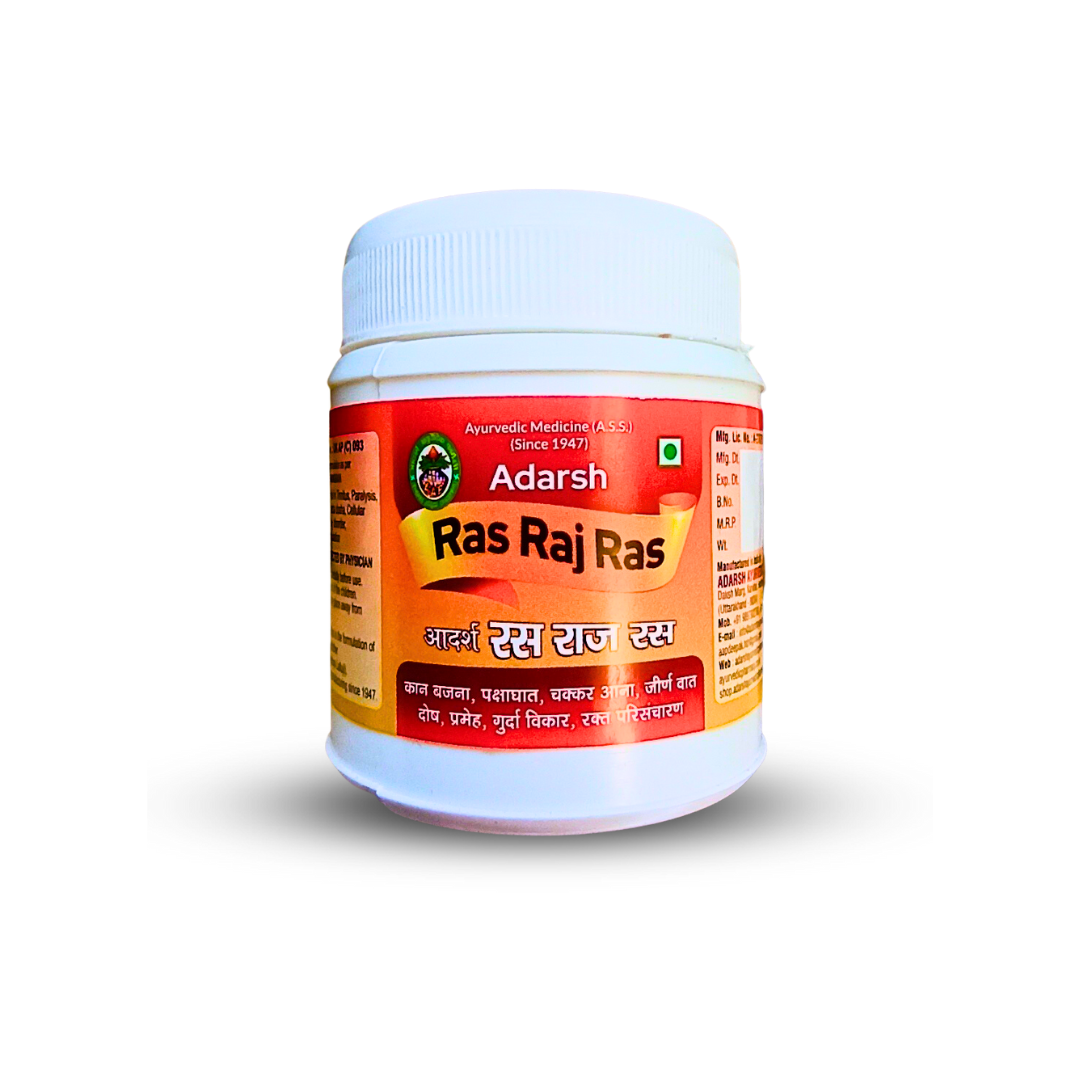
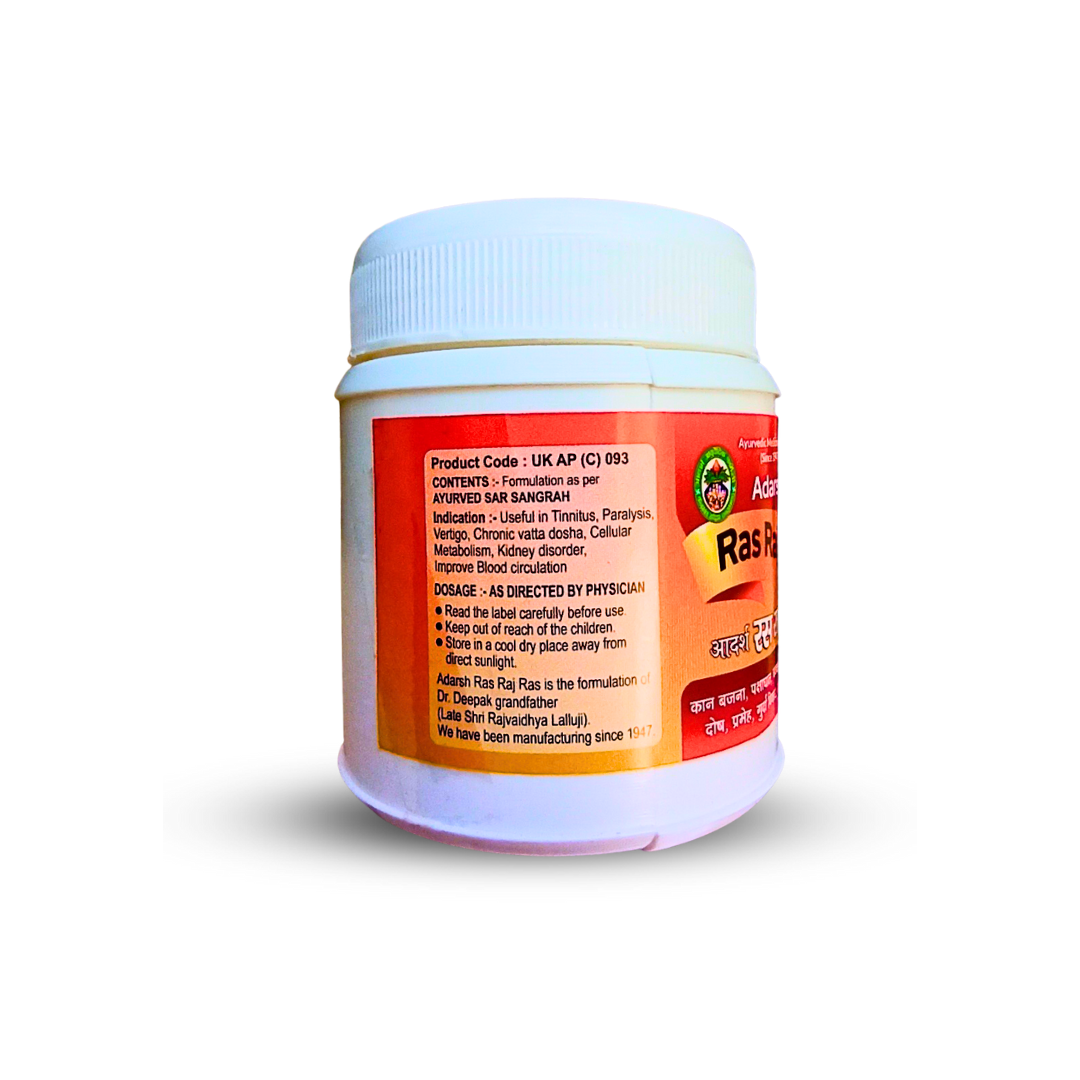
In Ayurveda, Ras Raj Ras is classified as a Rasayana, which means it is believed to have rejuvenating and revitalizing properties that can help improve overall health and vitality.
However, it’s important to note that the use of Ayurvedic medicines should be done under the guidance of a qualified Ayurvedic practitioner, as they can be potentially harmful if not used properly. Additionally, the safety and efficacy of these medicines have not been evaluated by the FDA, so caution should be exercised when using them.
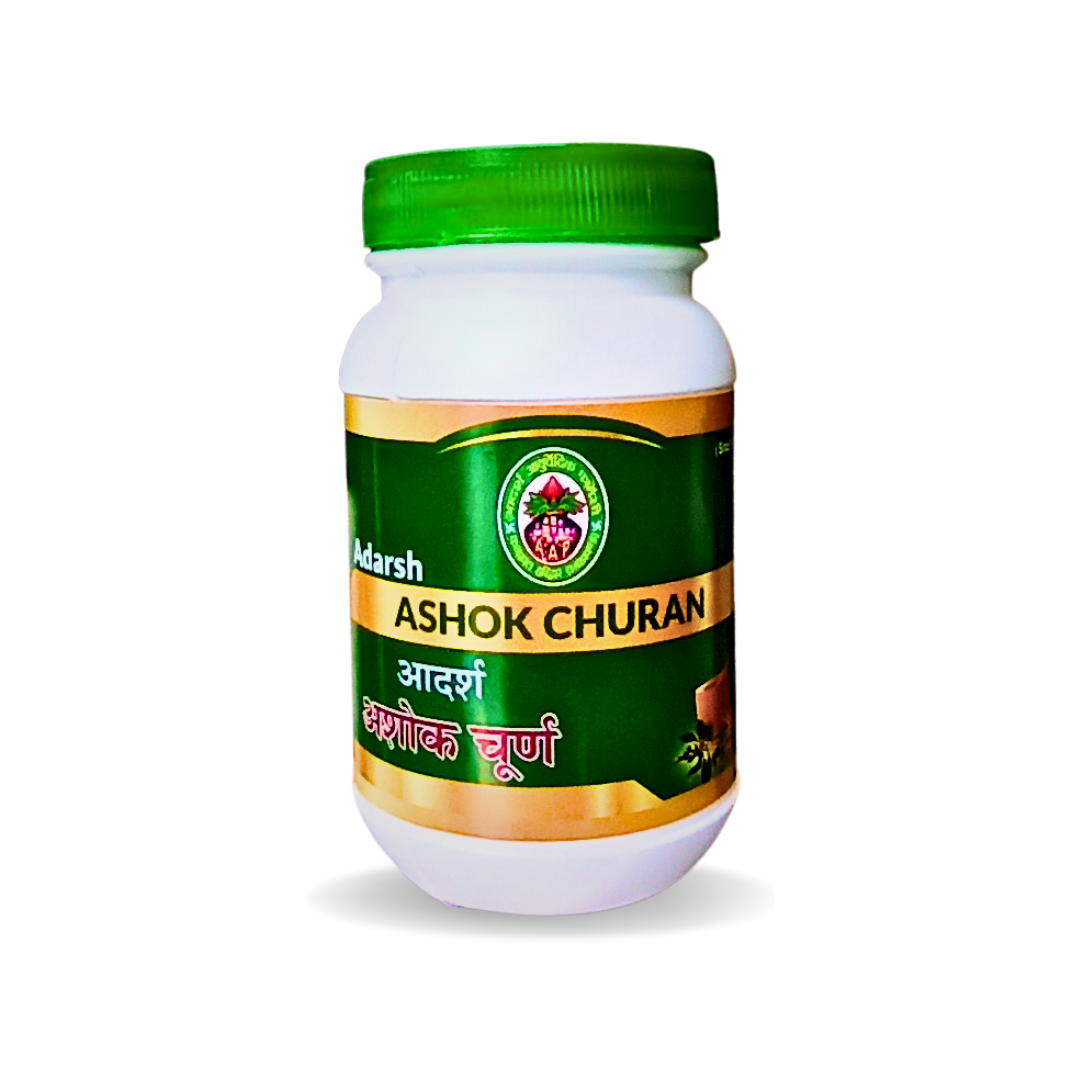
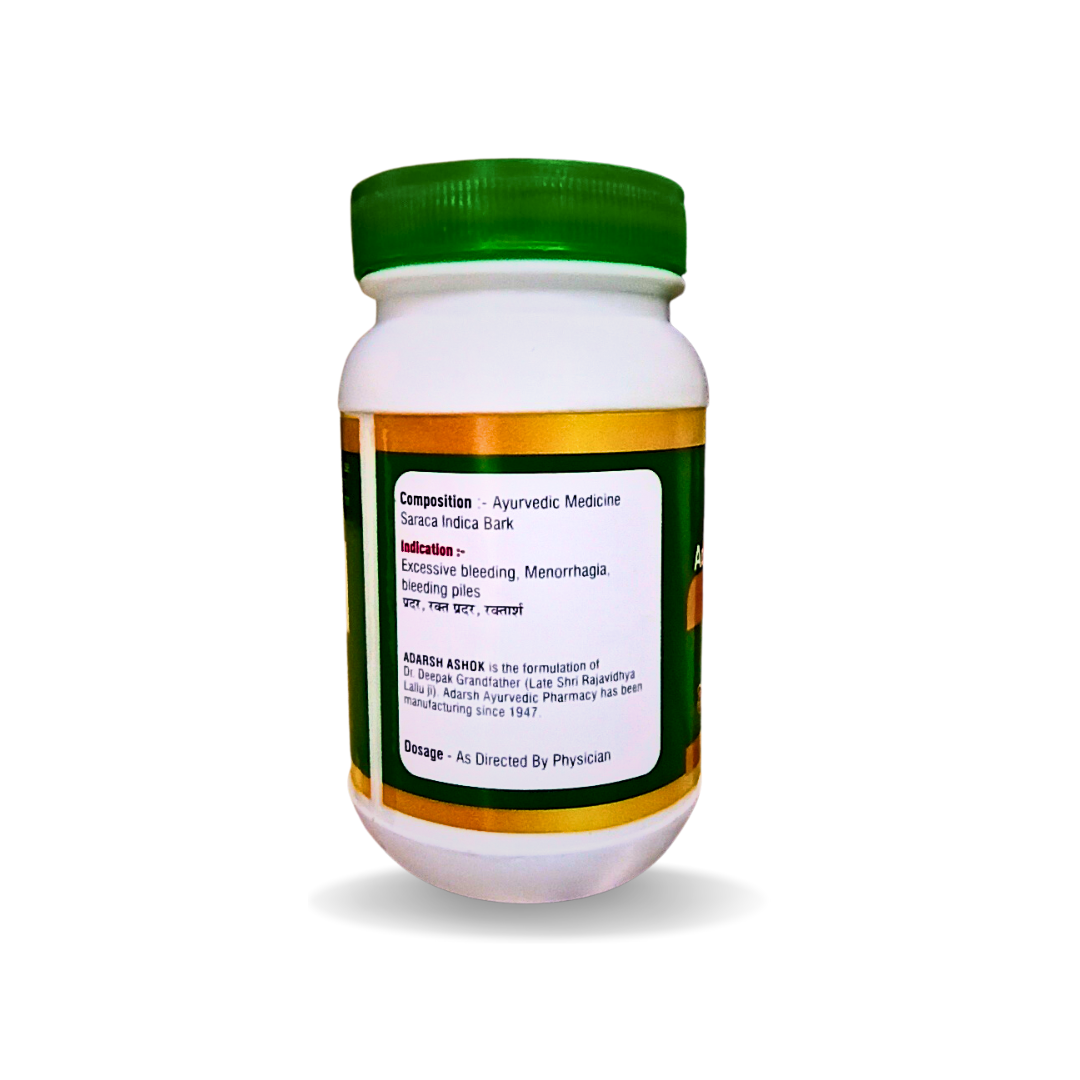
Ashok, also known as Saraca indica, is an Ayurvedic herb derived from the bark of the Saraca indica tree. The bark of this tree is used for medicinal purposes in Ayurveda.
According to the Ayurvedic Medicine book, Ashok bark is traditionally used to treat various health conditions such as excessive bleeding, menorrhagia (heavy menstrual bleeding), and bleeding piles (hemorrhoids).
Ashok bark is believed to have astringent and uterine tonic properties that may help reduce bleeding and tone the uterus. It is commonly used in Ayurvedic medicine as a natural remedy for various gynecological disorders, including those mentioned above.
Reviews
There are no reviews yet.